
astronomy
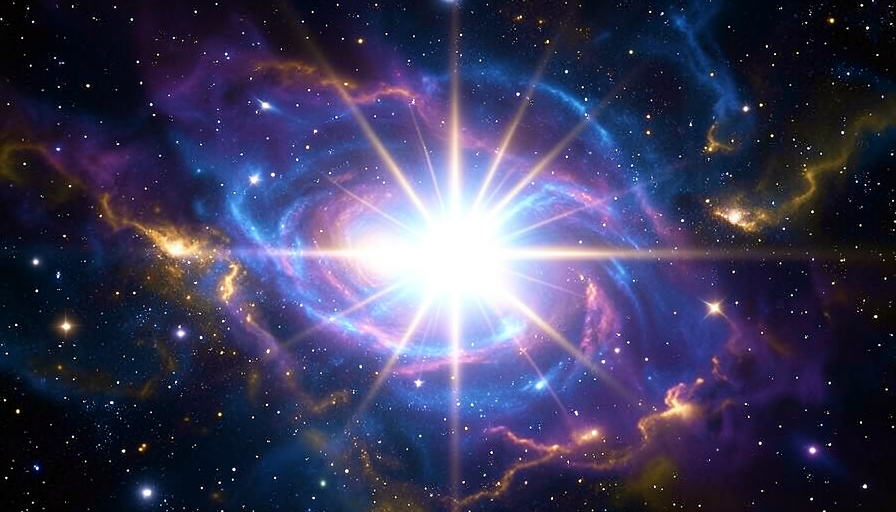
What Is the Big Bang, and What Does It Explain?
The Big Bang is the leading explanation for how everything began, yet it is one of the most misunderstood ideas in science. It was not an explosion in empty space. Here is what the Big Bang actually is, and the evidence that supports it.
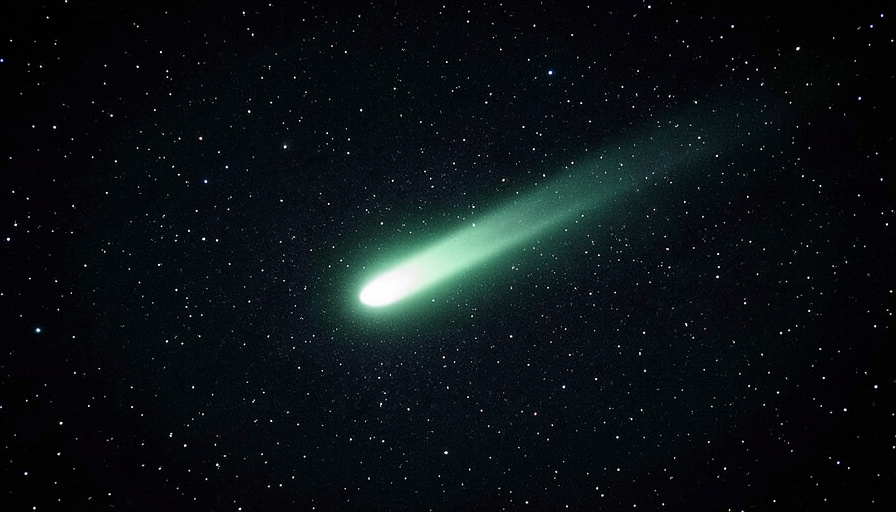
What Is a Comet, and What Is It Made Of?
A comet can appear from nowhere, hang in the sky for weeks with a glowing tail, and then vanish for a thousand years. These icy wanderers are leftovers from the birth of the solar system. Here is what a comet is and how it works.
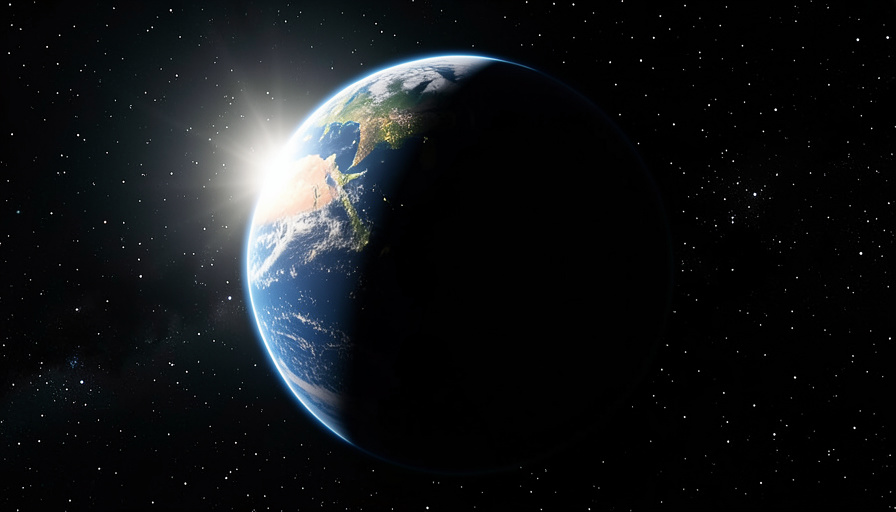
What Causes the Seasons? It Is Not Distance
Most people assume summer comes when Earth is closest to the Sun. It is a reasonable guess, and it is completely wrong. The real reason we have seasons is a gentle tilt, and once you see it, the whole calendar makes sense. Here is what actually causes the seasons.
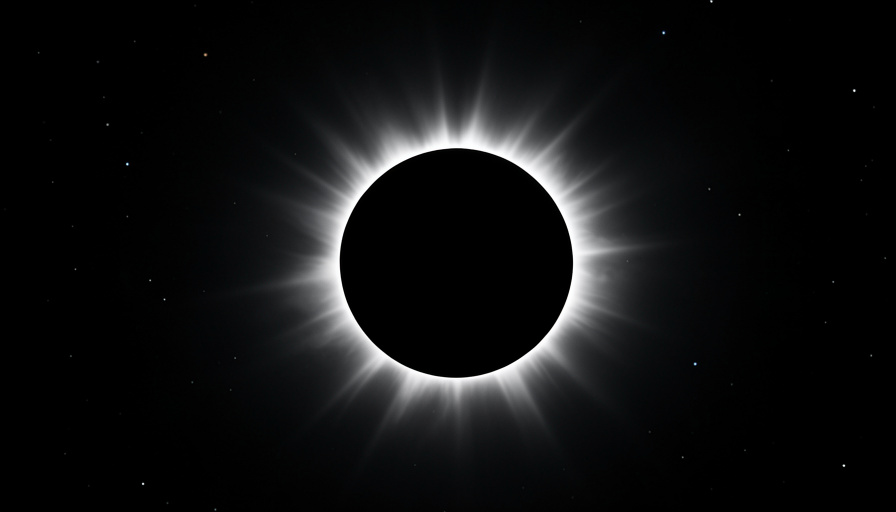
What Is a Solar Eclipse, and How Does It Happen?
For a few minutes, the Moon slides in front of the Sun and turns day into an eerie twilight. A solar eclipse is a cosmic coincidence of size and distance, and one of the few celestial events you can watch with your own eyes. Here is how it works.
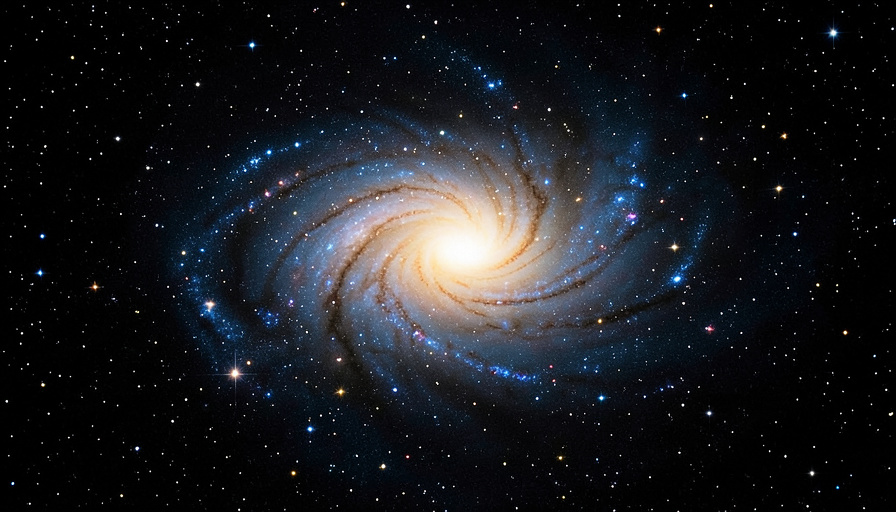
What Is a Galaxy, and How Many Are There?
A galaxy is a city of stars, held together by gravity and adrift in a universe that holds hundreds of billions more like it. Ours is just one. Here is what a galaxy actually is, and how astronomers count them.
What Is a Light-Year, and How Far Is It?
Despite the word year, a light-year measures distance, not time. It is how astronomers cope with a universe so big that miles and kilometers stop making sense. Here is what it really means.
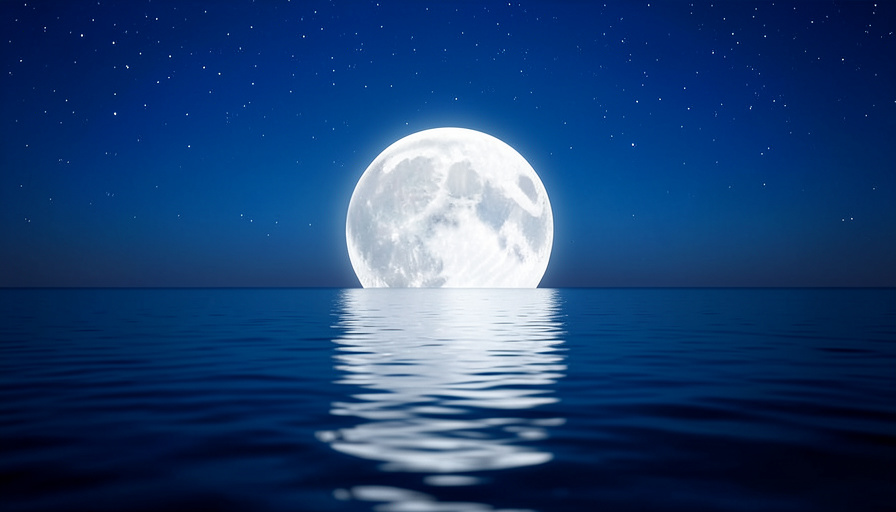
How Do the Tides Work, and Why Two a Day?
Twice a day the sea climbs up the beach and slides back down, on a schedule set by an object 384,000 kilometers away. Here is how the Moon, and a bit of the Sun, moves the whole ocean.