
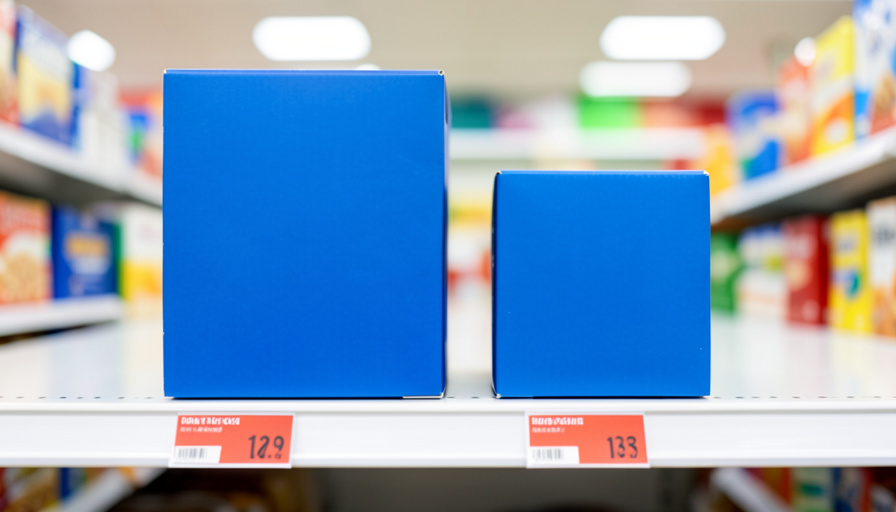
What Is Shrinkflation, and How Do You Spot It?
Your cereal box looks about the same. The price has not moved. But somehow the milk runs out faster than it used to. That gap has a name, and once you know how to catch it, you start seeing it everywhere.
Shrinkflation is one of those things people feel before they can name it. The bag of chips seems mostly air. The roll of paper towels finishes sooner. The ice cream carton got a curvy new dent in the bottom. None of it is your imagination, and none of it is illegal. It is a quiet pricing move that companies reach for when costs climb and they would rather not scare you off with a bigger number on the tag.
Bottom line first
Shrinkflation is when a product shrinks in size or quantity while the price stays the same, so you pay the same money for less. Companies use it because shoppers watch the price far more closely than the net weight. You can catch it by reading the unit price on the shelf tag, which shows the cost per ounce or per item and makes a smaller package obvious.
What shrinkflation actually is
Shrinkflation, sometimes called product downsizing, happens when the amount of product in a package drops without a matching drop in price. A pint of ice cream quietly becomes 14 ounces. A cereal box goes from 19.3 ounces to 18.1. The label still says the familiar brand, the price still reads the same, and most people never do the math on what a single ounce now costs them.
It has a close cousin worth knowing about. Skimpflation is when the size holds steady but the quality drops, through cheaper ingredients, thinner paper, or less of the expensive component. Both are ways to raise the real price while keeping the sticker price still, and both work for the same reason: our attention lands on the number, not the contents.
How common is it, really?
Here is where the honest answer surprises people on both sides. Shrinkflation is real, but as a driver of your grocery bill it is smaller than the outrage suggests. A 2025 report from the Government Accountability Office looked at U.S. grocery data and found that downsizing accounted for less than a tenth of a percentage point of the roughly 34.5 percent rise in overall consumer prices from 2019 to 2024. Straight price increases did most of the damage.
The catch is that shrinkflation clusters in the everyday items you buy on repeat. The GAO analysis found the per-unit price of coffee rose about 32 percent and paper towels about 12 percent over that stretch, with size cuts doing part of the work. Downsizing touched fewer than 5 percent of the products studied, but it landed hardest on popular, frequently purchased goods, which is exactly why it feels more common than the topline number says.
Why companies choose it over a price hike
The logic is pure consumer psychology. Shoppers anchor hard on price. We remember that a box “costs about four dollars” and we rarely remember whether that box held 12 ounces or 14. So a company facing higher costs for grain, packaging, or shipping has two options: raise the price and risk you noticing, or trim the contents and hope you do not.
The gamble does not always pay off. Once people catch on, they get annoyed, and the resentment sticks to the brand. A 2026 Capgemini consumer study found that a reduced pack size or quality with no clear notice was one of the strongest reasons shoppers gave for switching brands, and that a large share said they would rather absorb a small, honest price increase than be quietly shortchanged. Trust is expensive to rebuild, and downsizing spends it. You can read the survey findings in Capgemini’s consumer trends report. For more coverage of the money side of daily life, browse SciExaminer’s Business section.
How to spot shrinkflation on the shelf
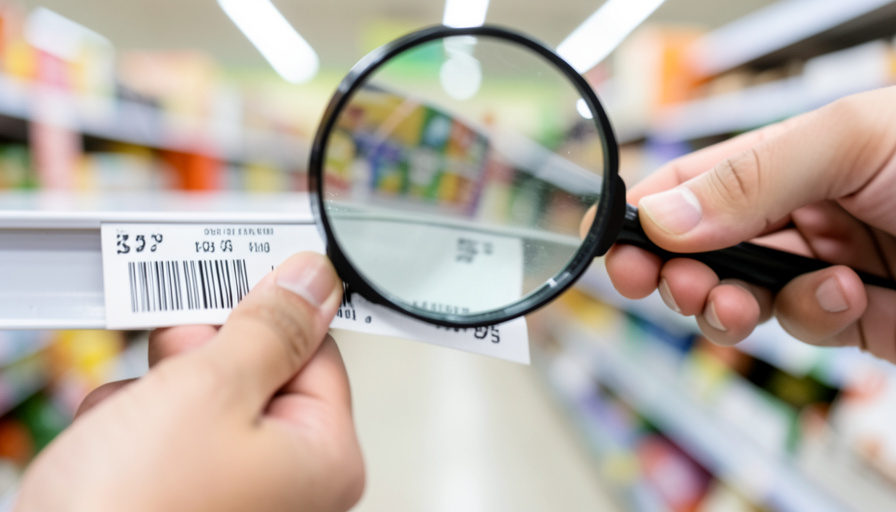
The good news is that you already have the tool to catch it, and it is printed right on the shelf. The unit price is the small number on the tag that shows cost per ounce, per 100 sheets, or per item. It ignores package size and tells you the true rate you are paying, so a smaller box with the same sticker price shows up instantly as a higher unit price.
A few habits make it easy to notice:
- Read the unit price, not the total price. It is usually in small print in a corner of the shelf tag. Over a dozen U.S. states require it, though the format varies.
- Glance at the net weight or count on the package, and get a rough memory of what your regular items usually hold.
- Be suspicious of a sudden packaging redesign. A new shape, a dimpled base, or a “new look” banner often arrives alongside a quiet size cut.
- Compare brands side by side by unit price, since a name brand that downsized may now cost more per ounce than the store brand next to it.
Surveys suggest most shoppers already sense this is happening. A 2024 study from Purdue University’s Center for Food Demand Analysis found that a clear majority of grocery shoppers reported noticing shrinkflation. The trick is turning that vague suspicion into a five-second check at the shelf.
What you can do about it
You cannot stop companies from downsizing, but you can stop paying the premium for it. Buying by unit price is the single most useful move, because it quietly rewards whichever product gives you the most for your money regardless of how the box is dressed up.
Beyond that, store brands are often a good hedge, since they downsize less aggressively and compete on value. Buying larger sizes or in bulk usually lowers the per-unit cost for staples you burn through. And when a brand shortchanges you and you notice, switching is the one signal companies actually track. As the survey data shows, that pressure is real enough that some firms have started listing size changes openly rather than risk the backlash.
Key takeaways
- Shrinkflation means a product shrinks in size or quantity while the price stays the same.
- It is real but a minor part of overall inflation, though it concentrates in everyday items like coffee and paper products.
- Companies prefer it to visible price hikes because shoppers track price far more than package size.
- The unit price on the shelf tag is the fastest way to catch it.
Frequently asked questions
What is shrinkflation in simple terms?
It is when a company reduces the size or amount of a product while keeping the price the same. You pay what you always paid, but you get less, which raises the real cost per ounce or per item without changing the number on the tag.
Is shrinkflation illegal?
No. As long as the package accurately states the net weight or count, downsizing is legal in the United States. Some lawmakers have proposed rules to police deceptive downsizing, but there is currently no federal ban on the practice itself.
How much does shrinkflation add to grocery costs?
Less than most people assume. A 2025 GAO report found downsizing added under a tenth of a percentage point to the roughly 34.5 percent rise in consumer prices from 2019 to 2024. It hits harder in specific repeat-buy categories like coffee and paper towels.
What is the difference between shrinkflation and skimpflation?
Shrinkflation reduces the quantity you get for the price. Skimpflation keeps the size the same but lowers the quality, through cheaper ingredients or thinner materials. Both raise the real price while leaving the sticker price unchanged.
How do I check for shrinkflation while shopping?
Read the unit price on the shelf tag, which shows cost per ounce or per item and ignores package size. Also check the net weight on the package and stay alert to redesigned packaging, which often accompanies a quiet size cut.
What to do next
Shrinkflation is a small trick that relies on a big blind spot, which is our habit of reading the price and ignoring the size. The fix is almost boringly simple. Start reading the unit price the way you read the total, and the game stops working on you. It will not lower anyone’s grocery bill overnight, but it turns a vague feeling of being nickeled and dimed into a clear-eyed choice about where your money goes. For more on the forces shaping what you pay, the Science section digs into the details.

Related Posts

How Much Does It Cost to Have a Baby?
Why Is My Bank Deposit on Hold?