
What Is the Periodic Table, and How Does It Work?
The periodic table is more than a chart on a classroom wall. It is one of the great achievements of science, a single grid that organizes every element in the universe and even predicts how they behave. Here is how the periodic table actually works.

Why Is the Sky Blue? The Science Explained
It is one of the first questions children ask and one of the hardest for adults to answer. The blue sky comes down to a bit of physics about light, air, and the size of a wave. Here is why the sky is blue, and why sunsets are red.
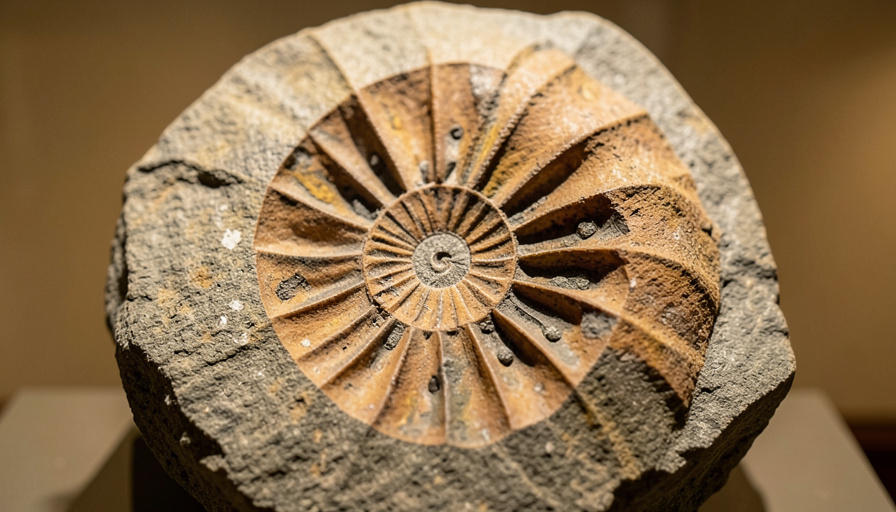
What Is a Fossil, and How Does One Form?
A fossil is a message from deep time, a bone or a footprint turned to stone and waiting millions of years to be read. Here is what a fossil actually is, how one forms, and why so few living things ever become one.
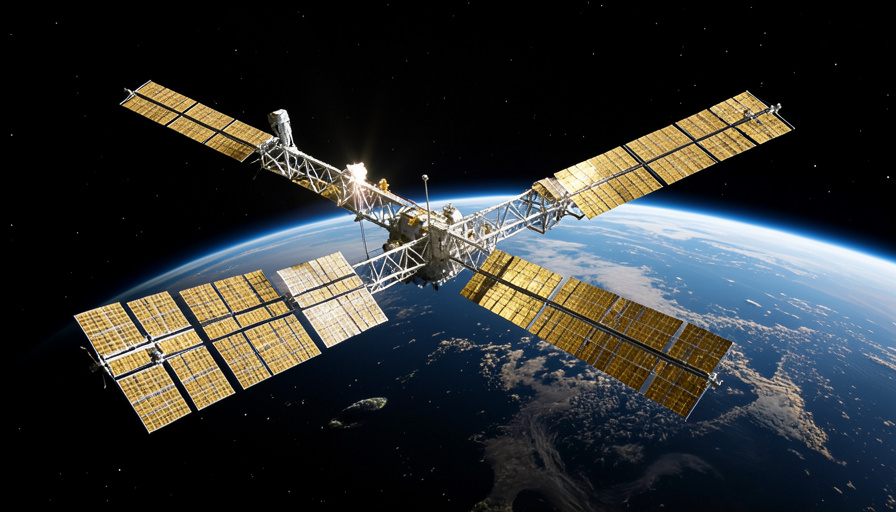
What Is the International Space Station?
For more than two decades, humans have lived without a break aboard a laboratory the size of a football field, circling the planet every 90 minutes. Here is what the International Space Station is and why it exists.
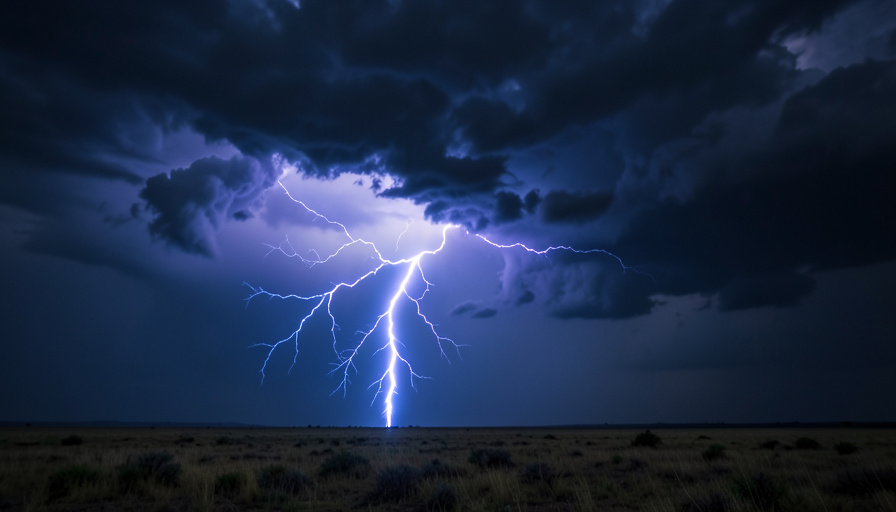
What Causes Lightning, and Why Thunder Follows
A lightning bolt is hotter than the surface of the Sun and lasts a fraction of a second. It starts with something as ordinary as ice crystals bumping together inside a storm cloud. Here is how.
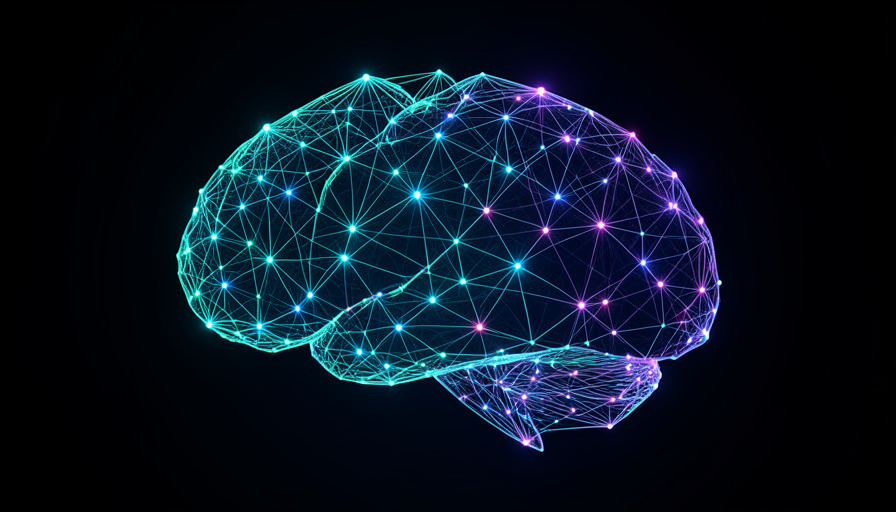
What Is a Connectome? Brain Mapping Explained
Scientists have now mapped every neuron and connection in an adult fruit fly’s brain. It sits inside a bigger quest: to draw the complete wiring diagram of a brain, a connectome. Here is what that means.

How Does the Stock Market Actually Work?
The stock market can feel like a casino run by insiders. It is actually a fairly simple marketplace for slices of companies. Here is how it really works, in plain language.
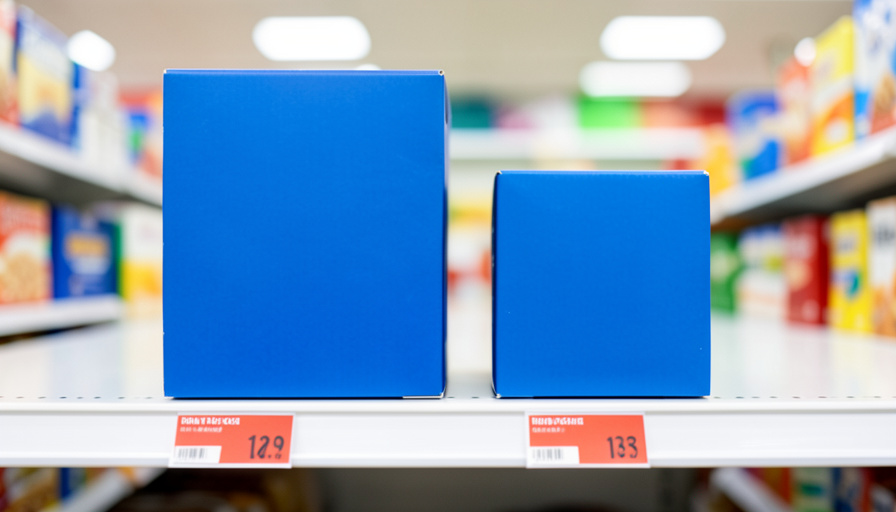
What Is Shrinkflation, and How Do You Spot It?
Your cereal box looks the same, but there is less inside and the price has not budged. That is shrinkflation. Here is how it works and how to catch it on the shelf.