

Do You Really Need 10,000 Steps a Day?
Your watch buzzes at 10,000 steps like it is enforcing a medical rule. The number is actually a 1960s marketing slogan. Here is what the research says you really need.
Somewhere around mid-afternoon, a lot of people check their phone or watch and feel a small pang of guilt about a step count. The 10,000 mark has the ring of hard science, a clean target handed down by doctors. It is not. The number was invented to sell a gadget, and the real research points somewhere lower and more forgiving.
Bottom line first
No, you do not need exactly 10,000 steps a day. That figure came from a 1960s Japanese pedometer name, not from science. Studies show most of the health benefit arrives well before 10,000, with mortality risk dropping sharply up to around 7,000 to 8,000 steps and then leveling off. The biggest gains come from moving from barely walking to walking regularly, whatever your total.
Where 10,000 steps actually came from
The target traces back to 1965, when a Japanese company called Yamasa Clock released a pedometer named Manpo-kei, which translates roughly to “10,000-steps meter.” It launched in the fitness enthusiasm around the 1964 Tokyo Olympics, and the number was chosen because it was round, memorable, and easy to market. The Japanese character for 10,000 even resembles a walking figure.
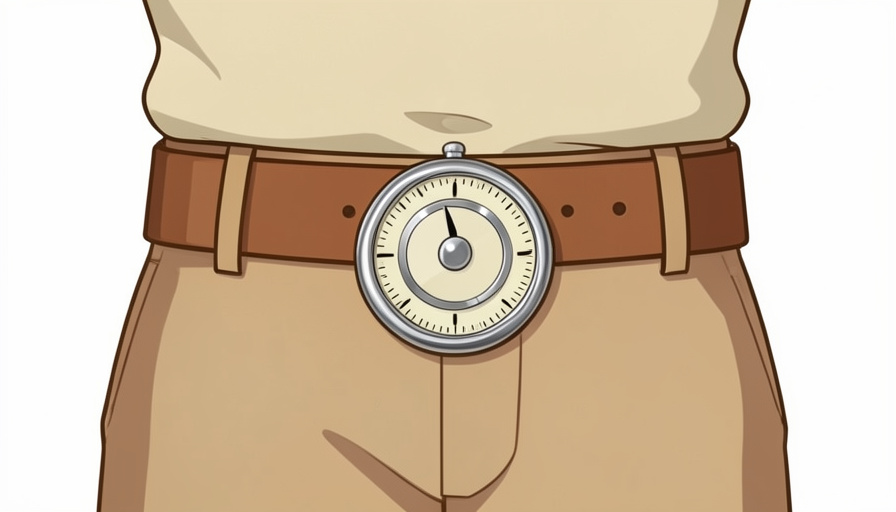
No study set that goal. It was a slogan that stuck, then spread worldwide, and decades later it got baked into fitness trackers as if it were a clinical threshold. Once your watch celebrates it every day, it starts to feel like a rule rather than a leftover ad campaign.
What the research actually shows
When scientists finally tested step counts against health, the picture looked different. In a widely cited 2019 study in JAMA Internal Medicine, Harvard researcher I-Min Lee and colleagues tracked about 16,000 older women. Women who averaged around 4,400 steps a day had roughly a 41 percent lower risk of death than the least active group near 2,700 steps.
The benefit kept climbing as steps increased, but then it flattened out at about 7,500 steps a day. Beyond that, adding more steps did not meaningfully lower mortality further in this group. In other words, the payoff was real and large, and it arrived well short of 10,000.
How many steps you actually need
Later research refined the answer and added an important detail: the sweet spot depends on your age. A large meta-analysis pooling data from many countries found the mortality benefit rising with steps and then plateauing at a point that shifts with how old you are.
| Age group | Where benefits roughly plateau |
|---|---|
| Under 60 | Around 8,000 to 10,000 steps a day |
| 60 and older | Around 6,000 to 8,000 steps a day |
The Lancet Public Health analysis behind these ranges makes the same broad point as the 2019 study: more steps help up to a ceiling, and that ceiling sits below 10,000 for many people, especially older adults. The single biggest jump in benefit comes from leaving a sedentary level and simply walking regularly.
So is 10,000 a bad goal?
Not at all, and this is where the myth-busting can go too far. Ten thousand is a fine, motivating round number, and if you comfortably hit it, there is no reason to stop. Walking more is broadly good for your heart, mood, blood sugar, and sleep, with the benefits simply tapering rather than reversing.
The problem is only when the number discourages people. Someone who manages 6,000 steps and feels like a failure has completely misread the evidence, because they have already captured most of the benefit. Pace matters too, since a brisk walk does more than an equal number of slow, shuffling steps. The goal to fear is not 10,000, it is a number close to zero.
How to actually walk more
If you want to add steps, chasing a fixed target matters less than beating your own baseline. A few practical moves help.
- Check your current daily average first, then aim to add a manageable 1,000 to 2,000 to it.
- Attach walking to things you already do: pace during phone calls, park farther away, take stairs.
- Take a short walk after meals, which also helps steady blood sugar.
- Favor a brisk pace over a slow stroll when you can, since intensity adds benefit.
For more grounded wellness reading, browse SciExaminer’s Health section, and the Science section covers the research behind everyday advice.
This article is for general information only and is not medical advice. If you have a health condition or are starting a new exercise routine, check with a qualified healthcare professional about what is right for you.
Key takeaways
- The 10,000-steps target came from a 1965 Japanese pedometer name, not from research.
- A 2019 study found mortality risk dropped up to about 7,500 steps a day, then leveled off.
- The ideal number varies by age, roughly 8,000 to 10,000 under 60 and 6,000 to 8,000 for older adults.
- The biggest benefit comes from going from barely walking to walking regularly, so any increase counts.
Frequently asked questions
Do you really need 10,000 steps a day?
No. The number came from 1960s marketing, and research shows most of the health benefit arrives by around 7,000 to 8,000 steps, with the exact plateau depending on your age.
Where did the 10,000 steps rule come from?
From a 1965 Japanese pedometer called the Manpo-kei, meaning “10,000-steps meter.” The number was chosen because it was catchy and marketable, not because a study recommended it.
How many steps a day are actually healthy?
Benefits rise with steps and then plateau, roughly at 8,000 to 10,000 for people under 60 and 6,000 to 8,000 for those over 60. Even about 4,400 steps a day was linked to significantly lower mortality in older women.
Is walking 6,000 steps a day enough?
For many people, especially older adults, yes. Studies suggest much of the benefit is captured well below 10,000 steps, so 6,000 to 8,000 briskly walked is a solid, healthy amount.
Does step intensity matter, or just the count?
Both matter. A brisk pace adds cardiovascular benefit beyond the raw number of steps, so walking with some purpose is better than the same number of slow, shuffling steps.
What to do next
Treat 10,000 as a nice-to-hit round number, not a pass-fail line. Find out how much you actually walk on a normal day, nudge that up by a thousand or two, and keep the pace brisk when you can. The evidence is clear and oddly freeing: the hardest and most valuable step is the one from sitting still to moving at all, and everything after that is a bonus with gently diminishing returns.

Related Posts
Does Closing the Toilet Lid Actually Matter?
Can Arthritis Drugs Regrow Hair in Alopecia?