What Actually Happens to Your Recycling?
You rinse the jar, flatten the box, and sort the bin, and it feels like doing your part. A surprising share of that recycling ends up in a landfill anyway. Here is what really happens, and how to make yours actually count.
Recycling is one of the few environmental habits almost everyone practices, which makes it uncomfortable to learn how much of it does not work. The bin gets emptied, the truck drives off, and most people assume the contents come back as new bottles and boxes. For a lot of what you put in there, especially plastic, that is simply not what happens.
Short answer
Some of your recycling genuinely becomes new products, and a lot of it does not. Aluminum, glass, and paper recycle well and have real buyers. Most plastic does not; only around 9 percent of plastic waste actually gets recycled, and the rest is landfilled or burned. The system’s headline numbers count what gets collected, not what gets turned back into something useful.
The number that changes everything
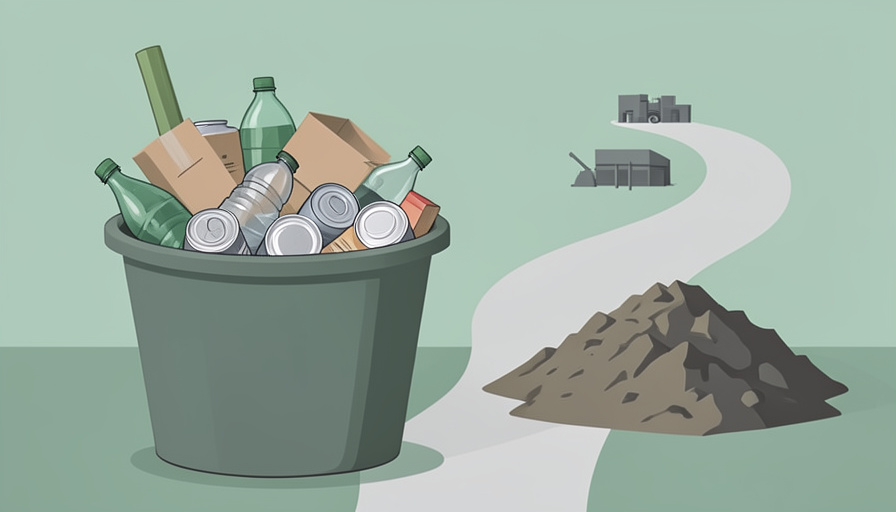
Here is the detail that reframes the whole thing: the “recycling rate” you hear about usually measures how much material is collected and diverted from the landfill, not how much is actually reprocessed into new products. Those are very different figures. Something can be dutifully sorted, trucked away, and counted as recycled, then quietly thrown out later because no one will buy it.
The gap is widest for plastic. According to EPA data, the U.S. plastic recycling rate has hovered under 10 percent, close to the global average of about 9 percent. So for every ten plastic items placed in a recycling bin, roughly one comes back as new plastic, and the other nine do not.
Why so much recycling gets thrown out
Two things sink a lot of recycling: contamination and economics. When people toss in greasy boxes, half-full containers, or hopeful “maybe this is recyclable” items, they contaminate the batch. A single dirty load can send an entire truckload to the landfill, and in many places contamination rates run at a quarter of everything collected.
The economics collapsed in 2018. For years the U.S. shipped much of its recycling to China, but that January China’s National Sword policy slammed the door, tightening the allowed contamination limit from 5 percent to 0.5 percent and banning many scrap types. A University at Buffalo study found the amount of plastic landfilled in the U.S. jumped more than 23 percent afterward, because the market that had been absorbing it vanished overnight.
What actually gets recycled well
The gloom has real exceptions, and they are worth knowing, because they are where your effort pays off. Aluminum is the star. A used can is genuinely valuable, recycles over and over without losing quality, uses about 95 percent less energy than making new aluminum, and can be back on a shelf as a new can in around two months.
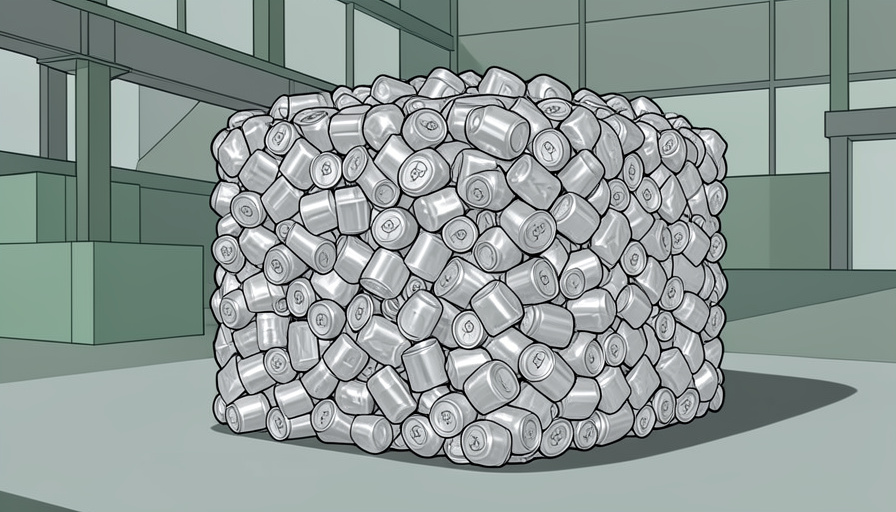
Steel cans, glass, and clean paper and cardboard also have steady markets and recycle reliably. These materials share a trait plastic lacks: recyclers can actually sell them at a profit, which is what keeps the loop turning. When you sort a rinsed can or a flattened box, you are feeding a system that works.
The plastic problem and those little numbers
The small chasing-arrows symbol with a number on plastic products fools almost everyone. That resin code, 1 through 7, only identifies the type of plastic. It is not a promise that the item is recyclable, and certainly not that your local program accepts it.
In practice, only number 1 plastic, the PET in drink bottles, and number 2, the HDPE in milk jugs and detergent bottles, are widely recycled. Numbers 3 through 7, which cover most tubs, clamshells, and film, are usually landfilled even when you place them in the bin, because there is no market and no easy way to process them. The symbol looks reassuring and means less than it appears to. For more on the science of sustainable materials, browse SciExaminer’s Environment section.
How to recycle so it actually counts
None of this means recycling is pointless. It means doing it well, so your bin helps instead of contaminating. A few habits make the difference.
- Learn your local rules, since what is accepted varies enormously between towns and haulers.
- Recycle items clean, empty, and dry, because food residue ruins whole batches.
- When genuinely unsure, throw it in the trash rather than the recycling. Wishful recycling causes contamination.
- Focus on the winners: aluminum, steel, glass, paper, cardboard, and number 1 and 2 plastics.
- Do not bag your recyclables, and keep plastic bags and film out of the bin. Take those to store drop-offs.
The bigger point sits above the bin entirely. Recycling is the last step of “reduce, reuse, recycle,” and it is the weakest of the three. Buying less and reusing what you have keeps material out of the waste stream in the first place, which no recycling program can match. For more grounded explainers, the Science section digs into the details.
Main takeaways
- Recycling rates usually count what is collected, not what is actually turned into new products.
- Only about 9 percent of plastic waste gets recycled; most is landfilled or burned.
- Aluminum, steel, glass, and paper recycle well because recyclers can profitably sell them.
- The resin code on plastic identifies the type, not whether it is recyclable in your area.
Frequently asked questions
Does recycling actually get recycled?
Some does and much does not. Aluminum, glass, and paper reliably become new products, but only about 9 percent of plastic is actually recycled. Contamination and weak markets send a lot of collected material to the landfill.
Why is so little plastic recycled?
Most plastic types have no profitable market and are hard to reprocess, so they are landfilled even after collection. The 2018 loss of China as an export buyer made this worse, increasing U.S. plastic landfilling by more than 23 percent.
Do the recycling numbers on plastic mean it is recyclable?
No. The resin code, 1 through 7, only identifies the plastic type. Generally only numbers 1 and 2 are widely recycled, while 3 through 7 are usually thrown away regardless of the symbol.
What is the most recyclable material?
Aluminum. It recycles repeatedly without losing quality, uses about 95 percent less energy than making new aluminum, and can return to store shelves as a new can in roughly two months.
Should I rinse containers before recycling?
Yes. Food residue contaminates recycling and can spoil an entire batch. Rinsing containers so they are clean, empty, and dry helps ensure they are actually recycled rather than discarded.
What this means
Recycling is not a scam, but it is not the automatic environmental win most people assume. A good chunk of what you put in the bin, especially plastic, never comes back as anything, while aluminum and glass genuinely close the loop. The useful response is to recycle the winners cleanly, ignore the reassuring symbols on plastic you cannot verify, and lean hardest on the part nobody markets: buying and throwing away less in the first place.