
Why Do We Get Goosebumps?
A cold gust and the swell of a favorite song do the same strange thing to your skin. Here is the biology behind goosebumps, and the unexpected job the reflex turns out to still have.
Step into an air-conditioned room and your arms pebble over with tiny bumps. Hear the exact moment a song lifts and the same thing happens, this time with a shiver down your spine. It is odd that cold and a chord progression trigger an identical reaction, and stranger still that you cannot do it on purpose. Both trace back to a reflex your body kept long after it stopped being useful.
The short version
Goosebumps happen when tiny muscles at the base of each hair contract and pull the hair upright, dimpling the skin. Your automatic nervous system fires those muscles in response to cold or strong emotion. The reaction is left over from furry ancestors, where raised fur trapped warmth and made an animal look bigger, and in humans it mostly does neither anymore.
What goosebumps actually are
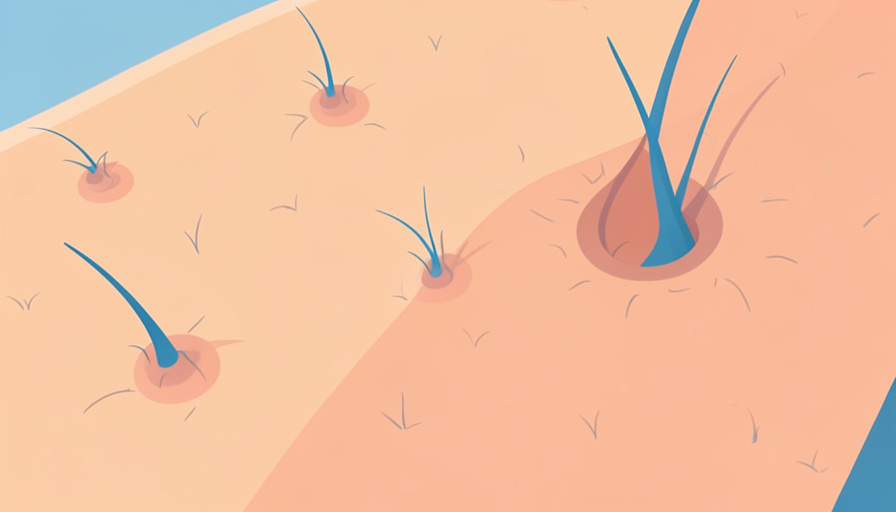
The scientific name is piloerection, and the mechanism is pure plumbing. At the base of every hair on your body sits a microscopic muscle called the arrector pili. When it contracts, it tugs the hair follicle upright, and the little tenting of the skin around each raised hair is the bump you see.
You have no conscious control over this. The arrector pili are wired to the sympathetic nervous system, the same automatic branch that runs your fight-or-flight response, so goosebumps switch on without any input from you. That is why you cannot summon them on command the way you can wiggle a finger.
Why cold sets them off
Cold is the classic trigger. When your skin cools, the sympathetic nervous system releases a chemical called norepinephrine, the arrector pili muscles contract, and your hairs stand up. On a furry animal this is genuinely useful, because raised fur traps a layer of warm air against the skin like a puffed-up jacket.
Humans lost that thick coat long ago, so the reflex fires the machinery but gets almost none of the benefit. A few upright fine hairs trap essentially no heat. As IFLScience notes, this makes goosebumps a textbook vestigial trait, a leftover that still runs even though its original purpose has faded.
Why music and fear do it too
Here is where it gets interesting. The sympathetic system that raises your hairs is also wired into the parts of the brain that handle emotion and arousal, so a strong feeling can trip the same switch. A jolt of fear, a wave of awe, or the peak of a piece of music can all bring on goosebumps, an effect researchers call frisson.
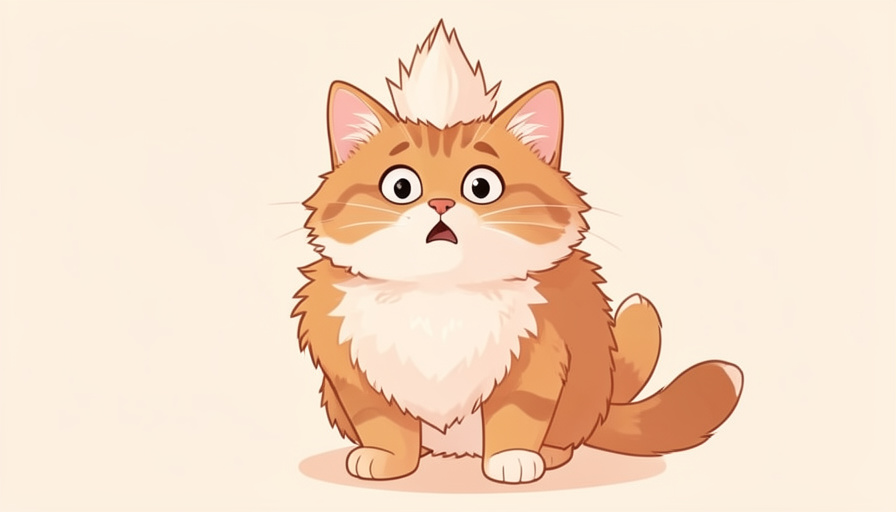
The evolutionary logic mirrors the cold response. A frightened or threatened animal that puffs its fur looks suddenly bigger and more intimidating, which is exactly what the startled, poofed-up cat above is doing. The chills you get from a soaring chorus are that ancient threat-and-arousal circuit firing for a modern reason it never evolved for. Your body cannot tell the difference between a predator and a key change.
The vestigial reflex with a hidden job
Calling goosebumps useless turned out to be premature. In 2020, a Harvard team led by Ya-Chieh Hsu published a study in the journal Cell showing that the nerve, the arrector pili muscle, and the hair follicle form a single connected unit, and it does more than raise hairs.
In mice under prolonged cold, the same sympathetic nerves that cause goosebumps also switched on the stem cells inside hair follicles, prompting them to grow a new coat of hair. The muscle’s job, it turns out, is partly to hold that nerve in close contact with the follicle’s stem cells. So the goosebump reflex is a fast, visible signal of a slower process: linking cold exposure to future hair growth. A “useless” leftover was quietly moonlighting the whole time. For more human-body science, see the Health section, and the Science section covers more research like this.
Main takeaways
- Goosebumps are piloerection: tiny arrector pili muscles pull each hair upright, dimpling the skin.
- They fire automatically through the sympathetic nervous system, triggered by cold or strong emotion.
- The reflex is inherited from furry ancestors, where raised fur trapped heat and made animals look bigger.
- A 2020 Harvard study found the same nerve-muscle system also drives hair-follicle stem cells to grow new hair in the cold.
Frequently asked questions
Why do we get goosebumps?
Because tiny muscles called arrector pili, controlled by the automatic nervous system, contract and pull your hairs upright in response to cold or strong emotion. It is a reflex inherited from furry ancestors.
Why do we get goosebumps from music?
The nerves that raise your hairs are also connected to brain regions for emotion and arousal, so a powerful moment in music can trigger the same reflex, an effect called frisson. It is the fear-and-awe circuit firing for a pleasant reason.
Can you control goosebumps?
Most people cannot, because the arrector pili muscles are driven by the involuntary sympathetic nervous system rather than conscious control. A small number of people report being able to trigger them at will, but it is unusual.
Do goosebumps actually keep humans warm?
Barely. The reflex works well on furry animals, where raised fur traps warm air, but humans lost that thick coat, so a few upright fine hairs provide almost no insulation. In us it is largely vestigial.
Are goosebumps useless in humans?
Not entirely. A 2020 Harvard study found the same nerve and muscle system that causes goosebumps also activates hair-follicle stem cells during prolonged cold, at least in mice, linking the reflex to new hair growth.
The bottom line
Goosebumps are one of those small everyday mysteries that turn out to have a tidy answer and a twist. The mechanism is a leftover from a furrier past, which is why a cold room and a great song produce the same prickle for reasons neither one was designed around. The twist is that the “useless” reflex was hiding a second job all along, quietly tying the chill on your skin to the hair that might grow there later.