Concrete Made From Human Waste: How It Works
Turning treated sewage into concrete sounds like a gross gimmick. It is real engineering, and done right it can cut carbon, clear a waste mountain, and even make the concrete stronger.
The headline writes itself and makes people wince: scientists are building with human waste. The reality is less gross and more clever. Wastewater treatment leaves behind an enormous, hard-to-dispose stream of leftover solids, and cement making is one of the dirtiest things we do to the climate. A growing body of research links those two problems into a single answer, and the resulting concrete can actually outperform the regular kind.
In brief
You are not pouring raw sewage into a wall. Treated sewage solids, called biosolids, are dried and often burned into a sterile grey powder called sewage sludge ash, which then replaces part of the cement in concrete. At small doses this ash can raise the concrete’s strength while cutting its carbon footprint, and proper treatment plus lab testing handles the safety concerns.
What “concrete from human waste” actually means
The starting material is not what most people picture. When a treatment plant cleans wastewater, it separates out a solid residue, and once that is treated to reduce pathogens it becomes biosolids. Many projects go a step further and incinerate the dried biosolids, which leaves sewage sludge ash, a fine, sterile, odorless grey powder.
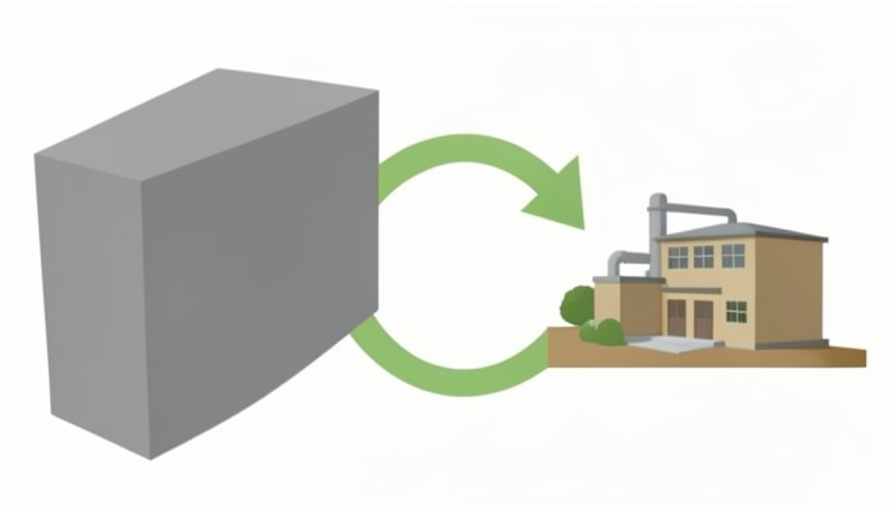
That ash is the useful part. Chemically it behaves a lot like other materials engineers already blend into concrete, so it can stand in for a portion of the cement or fine sand in the mix. The waste never touches the finished wall in any recognizable form; it has been burned down to mineral ash first.
Why bother: two problems, one fix
This only makes sense because it solves two expensive headaches at once.
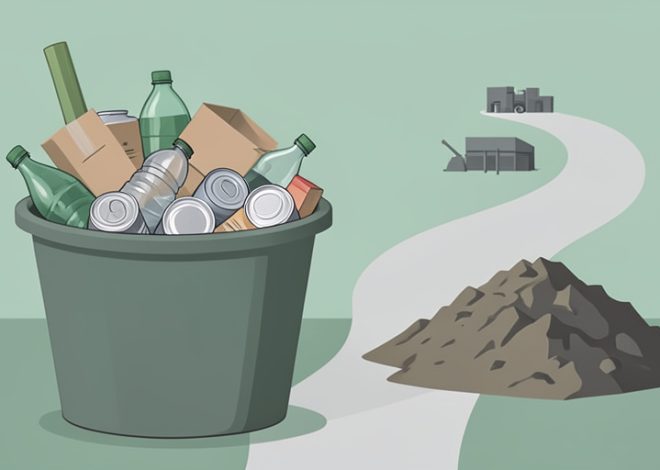
The first is carbon. Cement is one of the largest single industrial sources of carbon dioxide, responsible for roughly 8 percent of global emissions, because making it means heating limestone in kilns and driving off CO2. Every kilogram of cement you can replace with a recycled material is emissions avoided. The second is disposal. Treatment plants generate mountains of biosolids, and options like landfilling or stockpiling are costly and shrinking. Turning that residue into a building material clears the waste and cuts cement demand in the same step.
Does it really make concrete stronger?
Sometimes, and that surprises people. At modest replacement levels, sewage sludge ash acts as a pozzolan, reacting inside the concrete to form extra binding compounds as it cures.
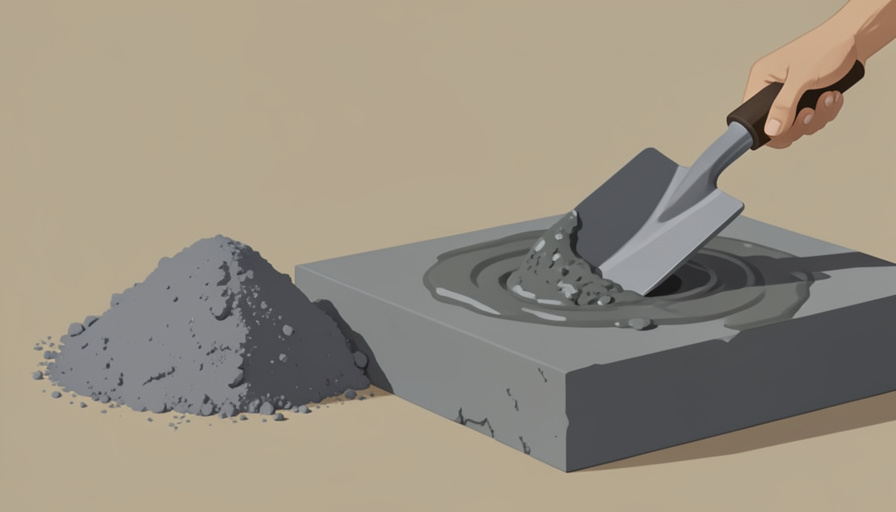
Experimental studies swapping around 5 to 10 percent of the cement for this ash have recorded meaningful gains in 28-day compressive strength, in some mixes on the order of 13 to 25 percent, while using less cement overall. The catch is dose. Push the replacement too high and workability and strength start to drop, so this is a partial substitution measured in single-digit percentages, not a wholesale swap. Used correctly, it is a genuine upgrade, not a compromise.
But is it safe?
This is the question everyone asks, and it has two parts: germs and heavy metals. Pathogens are the easy one. Treatment reduces them, and incineration at high temperature finishes the job, so the ash going into concrete is sterile.
Heavy metals are the real technical concern, since sewage can carry trace metals. The reassuring finding is that these get locked into the hardened material rather than washing out. In RMIT University research on fired biosolid bricks, between 43 and 99 percent of the tested heavy metals were immobilized inside the finished brick, and leachate levels were reported as insignificant. As ScienceAlert reported on that work, the firing process effectively traps the metals in the material. Standard practice is to run leaching tests before any batch is approved for use. For related coverage, browse SciExaminer’s Environment section.
Where this is headed
The science is well past the “does it work” stage, and into the slower business of adoption. Most use so far is in research labs and pilot projects rather than mass production, and the real obstacles now are not technical.
Building codes and government procurement rules were written around conventional materials and need updating before a contractor can specify ash-based concrete at scale. Then there is the public, who understandably hesitate at the phrase “made from sewage,” even when the material is sterile ash. My read is that the chemistry is sound and the holdups are mostly regulatory and psychological, which means this is a question of when, not whether. For more on the research behind sustainable materials, the Science section digs into the details.
What matters most
- The material used is sterile sewage sludge ash, not raw waste, and it replaces part of the cement in concrete.
- It tackles two problems at once: cement’s heavy carbon footprint and a growing biosolids disposal burden.
- At roughly 5 to 10 percent replacement, the ash can increase concrete strength while cutting cement use.
- Treatment and heat destroy pathogens, heavy metals get locked into the set material, and leaching tests confirm safety.
Frequently asked questions
Is concrete really made from human waste?
Not from raw waste. Treated sewage solids are dried and usually incinerated into a sterile grey ash, which then replaces a portion of the cement in the concrete mix. The finished concrete contains mineral ash, not recognizable waste.
Does waste-based concrete perform as well as normal concrete?
At modest replacement levels, yes, and sometimes better. Studies using about 5 to 10 percent sewage sludge ash have shown increased compressive strength, though higher amounts reduce strength and workability.
Is it safe to build with?
When properly treated, yes. Incineration destroys pathogens, and heavy metals become locked into the hardened material rather than leaching out. Leaching tests are run before any batch is approved for construction.
Why use human waste in concrete at all?
It addresses two problems together. Cement production causes roughly 8 percent of global carbon emissions, and treatment plants produce large volumes of hard-to-dispose biosolids. Recycling the waste into concrete cuts both cement demand and disposal.
Is this being used in real buildings yet?
Mostly in research and pilot projects so far. The main barriers to wider use are building codes, procurement rules, and public acceptance rather than the technology itself.
Closing thoughts
Concrete made from treated waste is a rare case where the gross-sounding option is also the sensible one. It shrinks a stubborn carbon source, disposes of a growing waste stream, and can leave you with stronger concrete in the bargain. The remaining hurdles are about rewriting old rules and getting comfortable with where the ash came from, which are solvable in a way that the climate math behind ordinary cement is not.