
Can Arthritis Drugs Regrow Hair in Alopecia?
Headlines about an arthritis pill regrowing a full head of hair are real, but only for one specific kind of hair loss, and only with serious tradeoffs. Here is the honest version.
Every so often a study makes the rounds claiming an arthritis drug regrew nearly all of a patient’s hair. The claim is genuine, the science behind it is solid, and for the right person it can be life-changing. It also comes with a stack of asterisks that the headline never mentions, starting with the fact that it does nothing for the most common kind of hair loss.
Short answer
Yes, a class of drugs first developed for rheumatoid arthritis, called JAK inhibitors, can regrow hair in severe alopecia areata, an autoimmune condition. Three are now FDA-approved for it. They do not treat ordinary male or female pattern baldness. They carry serious risks, they are not a cure, and hair often falls out again if you stop taking them.
What these drugs actually are
The drugs are JAK inhibitors, short for Janus kinase inhibitors. They block a specific immune-signaling pathway inside cells, which is why they were first approved for autoimmune conditions like rheumatoid arthritis. Baricitinib, sold as Olumiant, is exactly that kind of repurposed arthritis drug, and it became the source of the “arthritis drug regrows hair” story.
Three JAK inhibitors are now FDA-approved specifically for severe alopecia areata. Baricitinib was approved in June 2022 for adults, ritlecitinib followed in 2023 with approval down to age 12, and deuruxolitinib was approved in 2024 for adults. The National Alopecia Areata Foundation keeps a current rundown of all three.
Why they work, and only for one kind of hair loss
Alopecia areata is not ordinary balding. It is an autoimmune disease in which the immune system mistakenly attacks healthy hair follicles, causing hair to fall out in patches or, in severe cases, across the whole scalp and body. The follicles are not dead, just switched off by the attack.
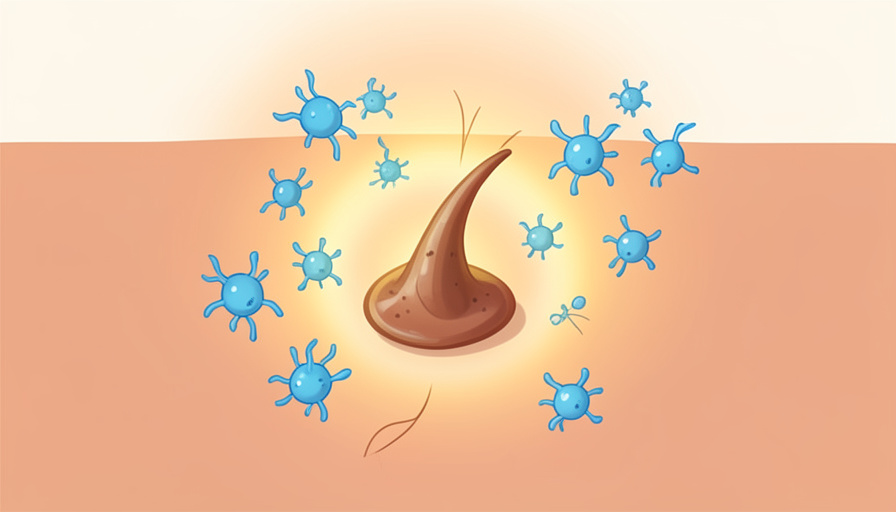
JAK inhibitors calm that specific immune attack, which lets the dormant follicles start growing hair again. This is also the reason they do nothing for male or female pattern baldness. Pattern hair loss is driven by genetics and hormones, not an immune assault, so switching off the immune pathway changes nothing there. If your hair loss is the gradual, patterned thinning most people mean by balding, these drugs are the wrong tool.
How well do they actually work?
The results in severe alopecia areata are real but partial. In the main baricitinib trials, roughly 35 to 40 percent of patients on the higher dose regrew at least 80 percent of their scalp hair by around 36 weeks, measured on a standard scale called the SALT score. That is a strong outcome for a condition with few good options, but it also means most patients did not hit that mark, and regrowth takes many months rather than weeks.
Response varies from person to person, and doctors cannot promise who will be in the responder group. For someone with total scalp hair loss, even partial regrowth can matter enormously. The honest framing is that these drugs give many people with severe disease a real chance at meaningful regrowth, not a guarantee for everyone.
The catch: real risks and no cure
This is where the headlines go quiet. The entire JAK-inhibitor class carries an FDA boxed warning, its most serious level, flagging increased risks of serious infections, blood clots, certain cancers such as lymphoma, and cardiovascular events including sudden death. The absolute risk for any one patient depends on their age and health, but this is not a casual medication.
They are also not a cure. JAK inhibitors suppress the autoimmune attack while you take them, so hair frequently falls out again after stopping, which means treatment is often ongoing. Add prescription-only access, dermatologist supervision, regular blood monitoring, and a high price tag, and it becomes clear why these are reserved for significant disease rather than handed out for thinning hair.
Who these drugs are for
These treatments are aimed at people with severe alopecia areata, typically extensive patchy loss or near-total loss of scalp hair, who are working with a dermatologist. The decision comes down to weighing the chance of regrowth against the known risks, a conversation that belongs in a specialist’s office, not a comment section.
If you have pattern baldness instead, the useful paths are different, including proven options like minoxidil, finasteride, and hair transplants. For more health explainers grounded in the evidence, browse SciExaminer’s Health section, and the Science section covers the research behind treatments like these.
This article is for general information only and is not medical advice. JAK inhibitors are prescription medications with serious risks. Do not start, stop, or change any treatment without talking to a qualified healthcare professional about your specific situation.
Key takeaways
- JAK inhibitors, a class that includes repurposed arthritis drugs, can regrow hair in severe alopecia areata.
- Three are FDA-approved for it: baricitinib, ritlecitinib, and deuruxolitinib.
- They work because alopecia areata is autoimmune; they do nothing for genetic pattern baldness.
- Roughly a third to 40 percent of patients see major regrowth, but the drugs carry a boxed warning and are not a cure.
Frequently asked questions
Can arthritis drugs really regrow hair?
Yes, for severe alopecia areata. JAK inhibitors like baricitinib, originally an arthritis drug, calm the autoimmune attack on hair follicles and can produce substantial regrowth. They do not work for ordinary pattern baldness.
Do JAK inhibitors work for male pattern baldness?
No. Pattern baldness is caused by genetics and hormones, not an autoimmune attack, so JAK inhibitors do not treat it. Proven options for pattern hair loss include minoxidil, finasteride, and hair transplants.
How much hair regrowth can you expect?
In trials of baricitinib, about 35 to 40 percent of patients on the higher dose regrew at least 80 percent of their scalp hair by roughly 36 weeks. Results vary widely, and regrowth takes months.
Are JAK inhibitors safe?
They carry an FDA boxed warning for risks including serious infections, blood clots, certain cancers, and cardiovascular events. They require a prescription, dermatologist supervision, and monitoring, so the risks and benefits must be weighed individually.
Is the hair regrowth permanent?
Usually not on its own. JAK inhibitors suppress the immune attack while you take them, and hair often falls out again after stopping, so treatment is frequently ongoing under a doctor’s care.
Final word
The arthritis-drug-regrows-hair story is one of the genuine bright spots in dermatology, giving people with severe alopecia areata a real treatment where there used to be almost none. It just is not the miracle baldness cure the headlines imply. If your hair loss is autoimmune and severe, it is worth a serious conversation with a dermatologist about whether the benefits outweigh the risks. If it is common pattern thinning, this is not your answer, and knowing the difference saves you chasing the wrong prescription.

Related Posts
Does Closing the Toilet Lid Actually Matter?

Do You Really Need 10,000 Steps a Day?