
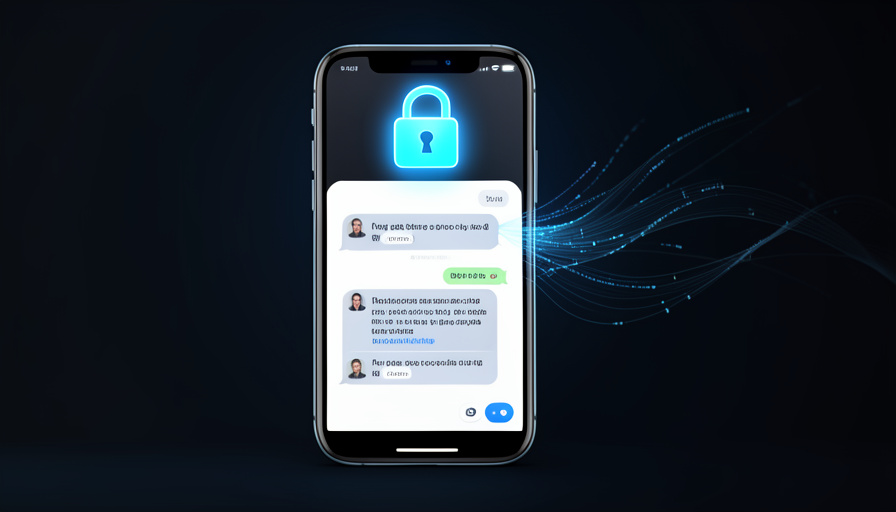
Does AI Train on Your Chats? How to Protect Your Privacy
Everything you type into a chatbot might be stored, read by a human, or used to train the next model. Here is what really happens to your AI chats, and how to lock them down.
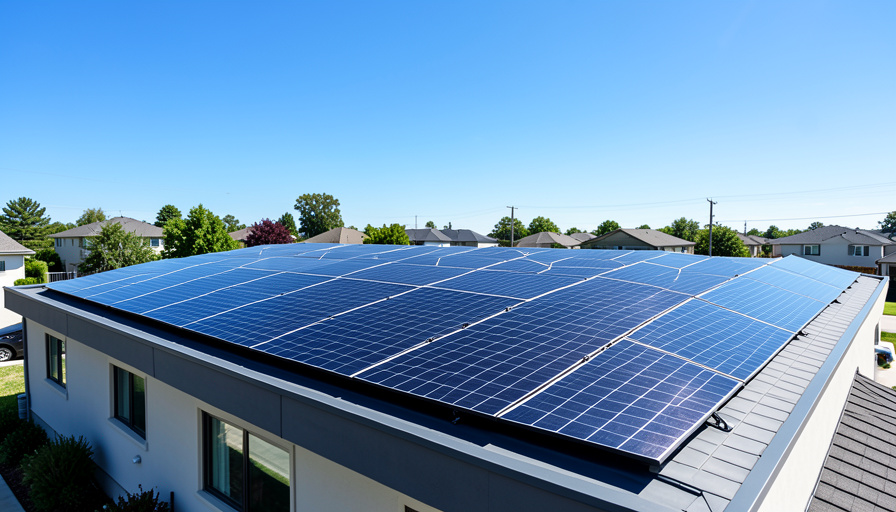
How Do Solar Panels Work, and Are They Worth It?
A solar panel has no moving parts, yet it turns sunlight straight into electricity. Here is how that quiet trick works, how good panels really are, and whether they pay off.
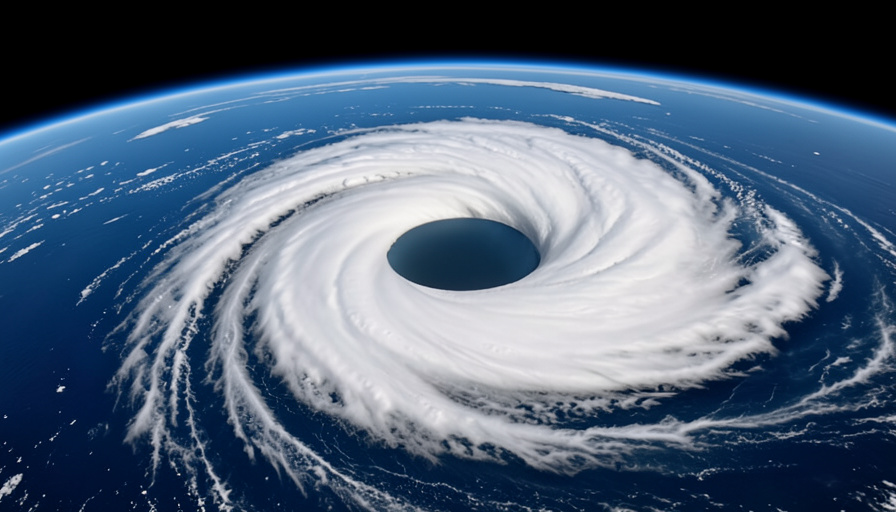
How Do Hurricanes Form, and Why Are They Getting Stronger?
A hurricane is a heat engine built from warm ocean water and rising air. Here is how one forms, how we rank its strength, and why the strongest storms are getting worse.

Why Do We Dream? What Science Actually Knows
Every night your brain writes strange little films and screens them to an audience of one. After a century of study, why it does this is still one of science’s open questions.
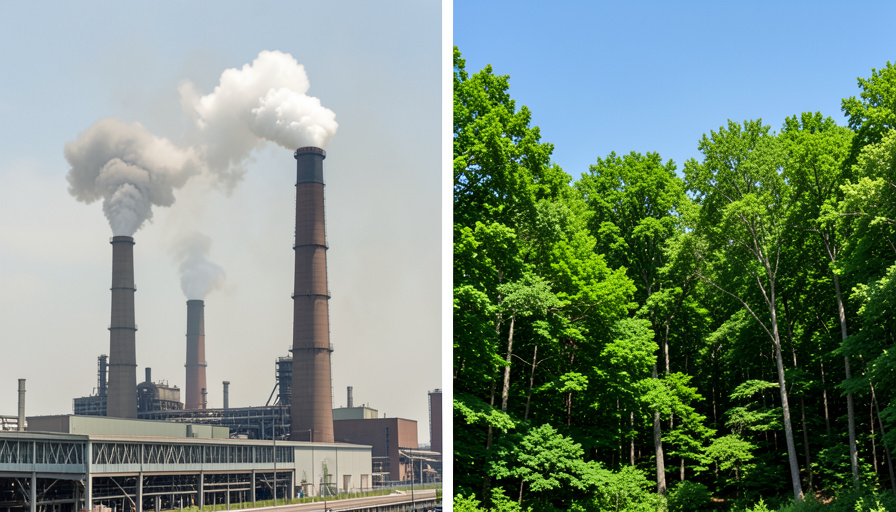
What Is Carbon Offsetting, and Does It Work?
Book a flight and you can pay a few dollars to make it carbon neutral. It sounds like a clean fix. The uncomfortable truth is that most of those offsets do not do what they claim.

What Is the Urban Heat Island Effect?
Step off a shaded trail and onto a downtown sidewalk on the same afternoon and the city feels like an oven. That gap is the urban heat island effect, and it has real consequences.

Is It Safe to Let AI Fill Your Passwords?
AI assistants now offer to log you in and fill out forms using your password manager. It is genuinely handy, and it opens a new kind of attack. Here is the balance.
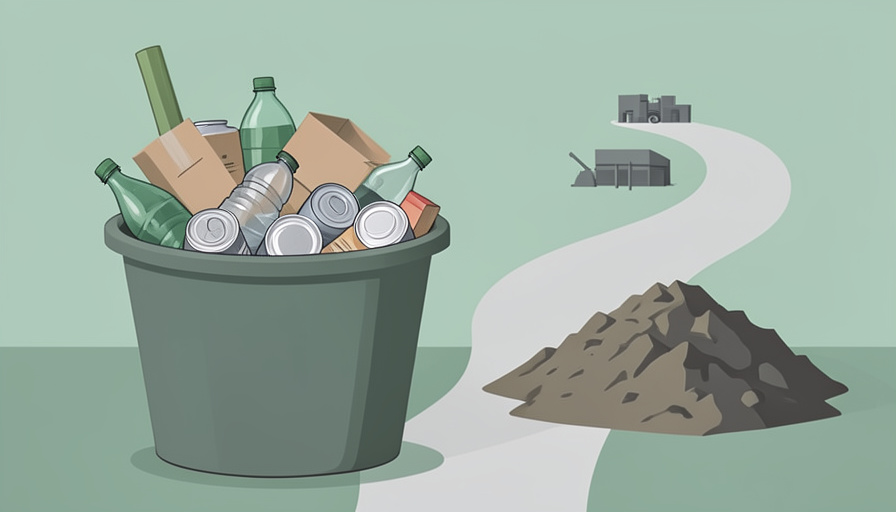
What Actually Happens to Your Recycling?
You rinse the jar and sort the bin and feel good about it. A surprising amount of recycling gets thrown out anyway. Here is why, and how to make yours count.
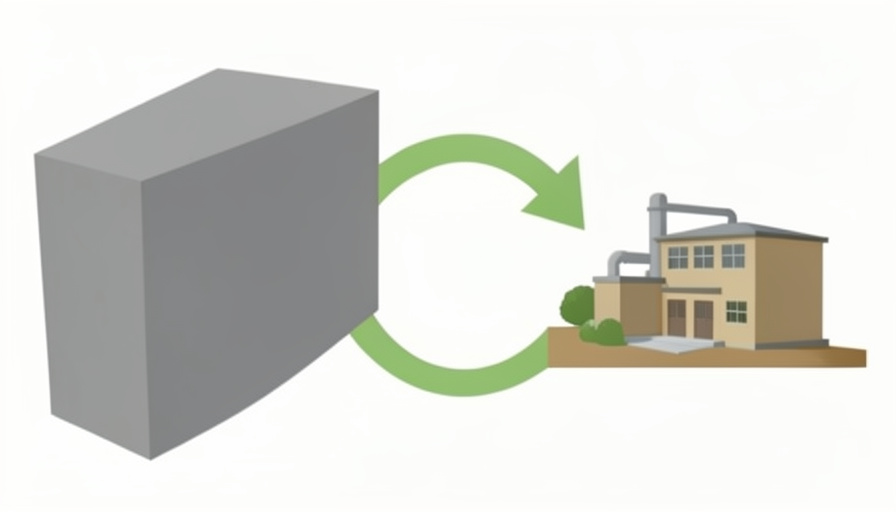
Concrete Made From Human Waste: How It Works
Turning treated sewage into concrete sounds like a gross gimmick. It is real engineering that can cut carbon, clear a waste problem, and even make concrete stronger.