What Is Inflation, and Why Do Prices Keep Rising?
You fill the same cart with the same groceries you always buy, and somehow the total is higher than it was last year. Your salary might have gone up, yet your money seems to stretch less far. That quiet, relentless creep is inflation, and understanding it explains a lot about why the economy feels the way it does.
Inflation is one of those words that gets thrown around in headlines and kitchen-table arguments without a clear definition. It is neither a conspiracy nor a mystery. It is a measurable, well-understood feature of every modern economy, and once you see how it works, the swings in your cost of living make a lot more sense.
The short version
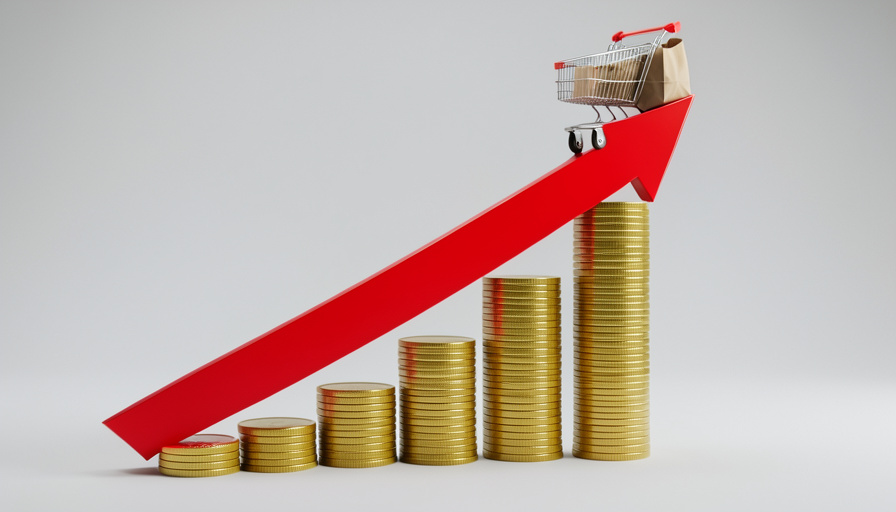
Inflation is the general rise in prices across an economy over time, which means each dollar buys a little less than it used to. It is measured by tracking the price of a basket of everyday goods and services. A small, steady amount of inflation is normal and even healthy, but when it runs too high, it erodes savings and squeezes households.
What inflation actually is
Inflation is the rate at which the overall level of prices rises over a period of time. As the International Monetary Fund puts it, it is a broad measure of the increase in prices or the cost of living in a country. The flip side of rising prices is falling purchasing power, so the same amount of money buys fewer goods than it did before.
To track it, statisticians follow the price of a fixed basket of things people actually buy, from food and rent to gasoline and haircuts. In the US, the main gauge is the Consumer Price Index. As the Bureau of Labor Statistics explains, the index measures the average change over time in the prices urban consumers pay for that market basket. When the index climbs 3 percent in a year, that is 3 percent inflation. For more on money and the economy, browse SciExaminer’s Business section.
What causes prices to rise
Prices do not rise for one single reason, but economists group the causes into two main types. The first is demand-pull inflation, often summed up as too much money chasing too few goods. When people and businesses want to buy more than the economy can produce, sellers raise prices because they can.
The second is cost-push inflation, which starts on the supply side. When the cost of an input rises, say oil, raw materials, or wages, businesses pass those higher costs on to customers as higher prices. A spike in energy prices, for example, ripples into the cost of shipping, manufacturing, and nearly everything on the shelf. Expectations play a role too, because if everyone believes prices will keep rising, workers ask for higher wages and businesses raise prices in advance, which can make inflation self-fulfilling.
Why a little inflation is normal
It surprises people to learn that policymakers do not want zero inflation. They aim for a small, steady amount. In the US, the Federal Reserve targets an inflation rate of about 2 percent per year over the long run.

The reason is that a mild, predictable rise in prices keeps the economy moving. As the Federal Reserve notes, when households and businesses can count on roughly 2 percent inflation, they can plan their saving, borrowing, and spending with confidence. The real danger sits at the extremes. Very high inflation erodes money quickly and creates chaos, while falling prices, called deflation, can freeze an economy as people delay purchases and wait for lower prices that keep dropping.
What inflation does to your money
Inflation is a quiet tax on cash and fixed incomes. Money sitting in a low-interest account loses value in real terms every year, because it buys less over time. Retirees and anyone on a fixed income feel it most, since their money does not automatically rise with prices.
The key question for most people is whether their income keeps pace. If prices rise 4 percent but your wages rise only 2 percent, you are effectively poorer, even with a raise. If your wages outpace inflation, you come out ahead. This is why the gap between wage growth and inflation, rather than the inflation number alone, is what really determines whether life feels more or less affordable.
How inflation gets brought down
When inflation runs too hot, central banks step in, and their main tool is the interest rate. By raising rates, the Federal Reserve makes borrowing more expensive, which cools spending and investment, easing the pressure that pushes prices up. It is a blunt instrument, since higher rates also slow the economy and can raise unemployment, which is why central banks try to bring inflation down without tipping the economy into a downturn.
Recent history showed this in action. After inflation surged worldwide in the early 2020s, reaching multi-decade highs, central banks raised interest rates sharply, and inflation gradually cooled. The episode was a reminder that taming inflation is possible but rarely painless.
What matters most
- Inflation is the general rise in prices over time, which lowers what your money can buy.
- It is measured by tracking the price of a basket of goods, such as the Consumer Price Index.
- The main causes are excess demand and rising costs, amplified by expectations.
- A small, steady rate around 2 percent is considered healthy, while extremes are harmful.
- What matters for you is whether your income keeps pace with rising prices.
This article is general information, not financial advice. For decisions about your savings or investments, consult a qualified financial professional about your own situation.
Frequently asked questions
What is inflation in simple terms?
Inflation is the general increase in prices across an economy over time. As prices rise, the purchasing power of money falls, so the same amount of cash buys fewer goods and services than it did before.
What causes inflation?
Two main forces. Demand-pull inflation happens when demand outstrips what the economy can produce, described as too much money chasing too few goods. Cost-push inflation happens when the cost of inputs like energy or wages rises and businesses pass those costs on as higher prices.
How is inflation measured?
By tracking the price of a fixed basket of everyday goods and services over time. In the US, the main measure is the Consumer Price Index, which reflects the average change in prices that urban consumers pay for that basket.
Why does the Federal Reserve want 2 percent inflation?
A small, predictable rate of inflation helps the economy function. When people and businesses can expect around 2 percent inflation, they can plan spending, saving, and borrowing more confidently. Zero or negative inflation can stall an economy, and high inflation erodes money too fast.
How does inflation affect my savings?
Inflation quietly reduces the real value of cash. If your savings earn less interest than the inflation rate, they lose purchasing power each year. The most important comparison is whether your income and returns are keeping up with rising prices.
What this means
Inflation is the background hum of every economy, usually gentle and occasionally loud. A little of it is a sign of a working system, not a broken one, and the goal of policy is to keep it low and steady rather than to eliminate it. For your own finances, the number to watch is less the headline rate and more whether your income and savings are outrunning it. Understanding that turns inflation from a vague source of anxiety into something you can actually plan around. For more on the systems that shape our money, the Technology section covers the tools behind them.

Related Posts
How Does Compound Interest Work, and Why It Matters
How Does the Stock Market Actually Work?