
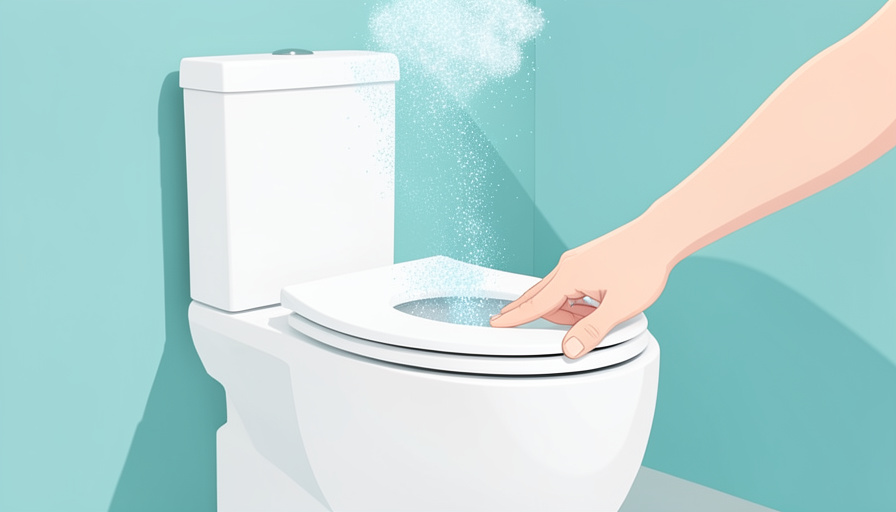
Does Closing the Toilet Lid Actually Matter?
Every flush fires an invisible cloud of tiny droplets into the air. Scientists finally filmed it with lasers. Here is what that plume really is, and whether shutting the lid does anything about it.
The “put the lid down before you flush” argument has quietly divided households for years. One side finds it obvious, the other finds it fussy. It turns out the science has caught up to the debate, and the reason to care is more vivid than either camp assumed: a flush does more than send water down the drain, it launches a fast, invisible spray of droplets straight up into the room.
In brief
Closing the lid helps, but it is not a force field. Every flush sends up a “toilet plume” of tiny aerosol droplets, and lab lasers have shown them shooting five feet above the bowl in seconds. Shutting the lid cuts the visible spray and splatter, yet the finest particles still leak through the gaps. For a healthy household the risk is low, and ventilation, cleaning, and hand-washing matter as much as the lid.
What a flush actually launches
Flushing aerosolizes the contents of the bowl, throwing microscopic droplets into the air in what researchers call a toilet plume. It was long suspected but hard to see, until a 2022 experiment made it undeniable.
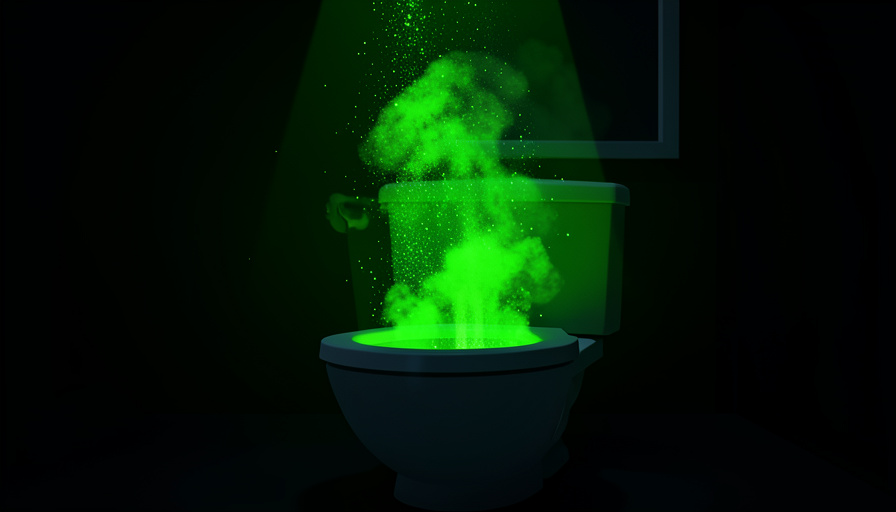
A team at the University of Colorado Boulder aimed bright green lasers at a standard commercial toilet and photographed what happened at the moment of flushing. As their write-up in The Conversation describes, the flush produced an energetic upward jet moving faster than two meters per second, carrying particles up to five feet above the bowl within about eight seconds. Those droplets can carry whatever is in the bowl, including bacteria and viruses.
So does closing the lid help?
Yes, and with a caveat. Putting the lid down before you flush blocks the main upward blast, cutting the visible spray and the splatter that lands on nearby surfaces. It is a genuinely useful move, and it costs nothing.
What it does not do is seal the toilet. A closed lid leaves gaps around the rim, and studies, including 2024 work on viral particles, have found that the smallest aerosols still escape through those gaps and settle on bathroom surfaces. So closing the lid reduces the plume rather than eliminating it. Anyone claiming the lid makes flushing perfectly clean is overselling it, and anyone calling it pointless is ignoring the splatter it clearly stops.
How much should you actually worry?
For a typical healthy household, not very much. The microbes in your own bathroom are mostly ones your family already lives with, and there is little evidence that normal home toilet plumes make healthy people sick. This is a good habit, not an emergency.
The plume matters more in two situations. The first is when someone in the home has a stomach bug like norovirus or another gastrointestinal infection, since those spread easily and the plume can move them onto surfaces others touch. The second is shared and public restrooms, where many people and many different microbes pass through. In both cases, closing the lid and washing your hands carry real weight.
The things that matter more than the lid
The lid is one layer, and leaning on it alone misses the bigger picture. A few habits do more for a clean bathroom.
- Ventilate. Run an extractor fan or open a window so aerosols clear instead of lingering.
- Clean regularly. Wipe the toilet and the surfaces around it, since that is where plume droplets land.
- Wash your hands properly after every visit, which interrupts the main route germs actually travel.
- Keep toothbrushes and open items away from the toilet, ideally in a closed cabinet.
Stack these together and the lid becomes a helpful part of a routine rather than a lone defense. For more grounded wellness reading, browse SciExaminer’s Health section, and the Science section covers the research behind everyday questions.
This article is for general information only and is not medical advice. If you are managing an infection at home or have specific health concerns, follow guidance from a qualified healthcare professional.
Key takeaways
- Every flush creates a toilet plume of aerosol droplets that can rise about five feet in seconds.
- Closing the lid cuts the spray and splatter but does not fully block the finest particles.
- For healthy households the risk is low; it matters most with stomach bugs and in public restrooms.
- Ventilation, regular cleaning, and hand-washing matter as much as the lid itself.
Frequently asked questions
Does closing the toilet lid before flushing actually help?
Yes, partly. It blocks the main upward plume and reduces splatter on nearby surfaces. It does not fully seal the toilet, so the smallest aerosol particles can still escape through gaps around the lid.
What is a toilet plume?
It is the cloud of tiny droplets that a flush sprays into the air from the bowl. A 2022 laser experiment showed these particles shooting up to about five feet above the bowl within seconds, and they can carry bacteria and viruses.
Is the toilet plume actually dangerous?
For healthy people at home, the risk is generally low, since the microbes are ones the household already shares. It is more of a concern when someone has a stomach illness or in busy public restrooms.
What matters more than closing the lid?
Good ventilation, regular cleaning of the toilet and nearby surfaces, and thorough hand-washing. Keeping toothbrushes and open items away from the toilet also helps. The lid works best as one layer among several.
Should I keep my toothbrush near the toilet?
Better not to. Since flush aerosols can settle on nearby surfaces, storing toothbrushes and other items you put in your mouth in a closed cabinet away from the toilet is the more hygienic choice.
Practical takeaway
Closing the lid is worth doing, just for the right reasons. It will not sterilize your bathroom, but it does knock down the spray a flush throws across the room, and that is a cheap, easy win. Treat it as one habit in a set that includes ventilating the room, cleaning surfaces, and washing your hands, and you have covered the parts that actually matter. The lid down is smart. The lid down as your only defense is where the myth outruns the science.

Related Posts
What Is the Placebo Effect, and Is It Real?
What Is the Gut Microbiome, and Why Does It Matter?