What Is Biodiversity, and Why Does It Matter?
Biodiversity sounds like a word for nature documentaries, something to admire from a distance. But it is closer and more urgent than that. Every meal you eat, every breath you take, and the stability of the climate itself rest on the staggering variety of living things sharing the planet. When scientists warn that biodiversity is collapsing, they are describing damage to the very system that keeps the world habitable. Understanding what biodiversity is helps explain why its loss matters so much.
The term gets used loosely, often as a synonym for “lots of animals,” but it means something richer and more precise. Here is a clear guide to what biodiversity is, the levels it operates on, and why protecting it is not optional.
Quick answer
Biodiversity, short for biological diversity, is the variety of all life on Earth, from genes to species to whole ecosystems. It covers how many different species exist, the genetic differences within them, and the range of habitats they live in. Biodiversity matters because these living things are interconnected: rich, varied ecosystems are more stable, more productive, and more resilient, and they provide the food, clean water, medicine, and climate regulation that people depend on.
What biodiversity actually is
Biodiversity is the full variety of life in a given place, whether that place is a single pond or the entire planet. As National Geographic defines it, biodiversity refers to the variety of living things, including the number of genes, species, individual organisms, and biological communities within a defined area, from the smallest ecosystem to the global biosphere.
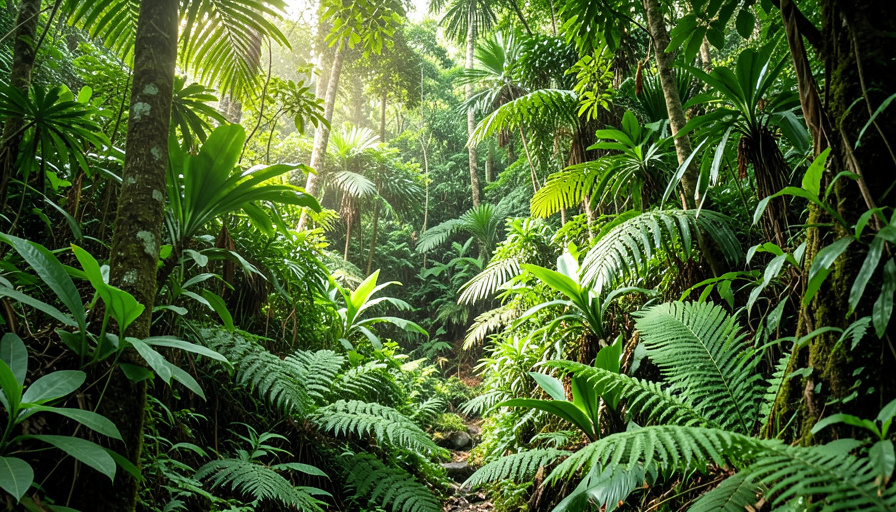
In other words, it is not one measurement but a way of describing how varied and abundant life is. A tropical rainforest with thousands of species has high biodiversity; a parking lot has almost none. The concept captures both the sheer number of different forms of life and the ways they are woven together. For more on the natural world, browse SciExaminer’s Environment section.
The three levels of biodiversity
Scientists usually break biodiversity into three levels, because variety shows up in different ways. Understanding all three explains why biodiversity is about more than counting species.
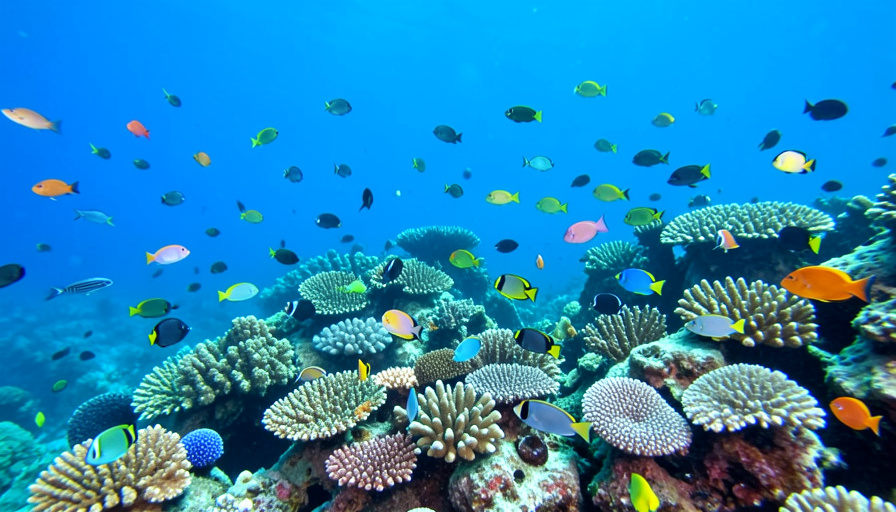
The first is genetic diversity, the differences in genes within a single species. National Geographic notes that greater genetic diversity can make a species more resistant to disease and better able to adapt to a changing environment. The second is species diversity, the variety and number of different species in an area, which is what most people picture. The third is ecosystem diversity, the range of habitats and communities, from deserts and grasslands to reefs and rainforests. Healthy biodiversity means richness at all three levels, and a long species list alone can hide weakness at the others. A population may look plentiful, for example, yet carry so little genetic variety that a single disease could wipe it out.
Why biodiversity matters
The deepest reason biodiversity matters is that living things are connected, and those connections do real work. As the American Museum of Natural History explains, all species depend on one another, and ecosystems with a lot of biodiversity are generally stronger and more resistant to disturbance than those with fewer species. Remove enough pieces and the whole web starts to fray.
This reaches far beyond wild places. Biodiversity underpins the services people rely on every day: crops pollinated by insects, fisheries that feed billions, forests and wetlands that filter water and store carbon, and countless medicines derived from plants and microbes. A more diverse ecosystem tends to be more productive and better at bouncing back from shocks like drought or disease. When biodiversity declines, those benefits weaken, which is why its loss is a practical threat and not merely an aesthetic one.
The threats it faces
Biodiversity is now declining faster than at almost any time in human history. The main driver is habitat loss, as forests are cleared, wetlands drained, and grasslands converted to farmland and cities, leaving wildlife with fewer places to live.
Other pressures pile on. As Britannica notes, pollution, climate change, and human population growth are all threats to biodiversity, and together they have driven an unprecedented rise in the rate of species extinction. Overexploitation, such as overfishing and poaching, and the spread of invasive species that outcompete natives, add further strain. These forces often combine, so a habitat weakened by one threat becomes more vulnerable to the next, accelerating the loss.
What can be done
The picture is serious but not hopeless, and biodiversity can recover when given the chance. Protecting and restoring habitats is the single most effective step, which is why national parks, marine reserves, and rewilding projects matter so much. Curbing pollution and slowing climate change ease two of the largest pressures at once.
There are real success stories to point to. Species once on the brink, from certain whales to birds of prey, have rebounded after habitats were protected and specific threats were removed, showing that recovery is possible when the pressure eases. Individual and community choices add up too, from supporting sustainable food and fisheries to protecting local green spaces and planting native species that feed local wildlife. On a larger scale, international agreements aim to set aside land and sea for nature and to fund conservation where biodiversity is richest. None of this is a quick fix, but the direction is clear: give ecosystems room and relief, and their variety of life can begin to rebuild.
Key takeaways
- Biodiversity is the variety of all life on Earth, from genes to species to ecosystems.
- It works at three levels: genetic diversity, species diversity, and ecosystem diversity.
- Species are interconnected, so more diverse ecosystems are generally more stable and resilient.
- It provides food, clean water, medicine, and climate regulation that people depend on.
- Habitat loss, pollution, climate change, and overexploitation are driving rapid biodiversity loss.
Frequently asked questions
What is biodiversity in simple terms?
Biodiversity is the variety of life in a place, from the genes inside a single species to the number of different species and the range of ecosystems. A rainforest has very high biodiversity; a bare field has little. It describes how varied and interconnected living things are.
What are the three levels of biodiversity?
The three levels are genetic diversity, the variation of genes within a species; species diversity, the number and variety of species in an area; and ecosystem diversity, the range of habitats and communities, such as forests, deserts, and coral reefs. Together they describe biodiversity fully.
Why is biodiversity important?
Because species depend on one another, and diverse ecosystems are more stable and resilient. Biodiversity provides food, clean water, pollination, medicines, and climate regulation. When it declines, these benefits weaken, making the loss of biodiversity a practical threat to human wellbeing as well as to wildlife.
What are the main threats to biodiversity?
The biggest threat is habitat loss from clearing forests, draining wetlands, and converting land for farming and cities. Pollution, climate change, overexploitation like overfishing, invasive species, and population growth add further pressure, together driving an unprecedented rise in species extinctions.
Can biodiversity be restored?
Yes, to a degree. Protecting and restoring habitats through parks, reserves, and rewilding lets ecosystems recover. Reducing pollution and slowing climate change ease major pressures. Recovery takes time and is not guaranteed for species already lost, but ecosystems given room and relief can rebuild their diversity.
Final word
Biodiversity is the quiet foundation beneath everything we call the environment. It is the difference between a living, working ecosystem and a fragile, failing one, and its variety is what gives nature the resilience to feed us, clean our water, and steady the climate. Seeing it clearly, as genes, species, and ecosystems all woven together, makes the current wave of loss impossible to shrug off. Protecting biodiversity is really about protecting the systems that keep the planet livable, including for us. For more on the science of life on Earth, the Science section digs deeper.

Related Posts
What Is the Water Cycle, and How Does It Work?
What Is a Food Chain, and How Does It Work?