

What Is a Bond, and How Does It Work?
Stocks get most of the attention, but bonds quietly hold up a huge part of the financial world. Governments use them to build roads, companies use them to expand, and investors use them for steadier income. At its core, a bond is one of the simplest ideas in finance: a loan you make, with interest. Understanding how that loan works, and why its value can rise and fall, unlocks a big piece of how investing actually functions.
Bonds are a cornerstone of investing and retirement planning, so they are worth understanding clearly. Here is a plain-language guide to what a bond is and how it works.
Quick answer
A bond is a loan you give to a government or company. In exchange for lending your money, the issuer promises to pay you interest at set intervals and to return your original amount, the face value, on a fixed future date called the maturity. Bonds are generally steadier than stocks and are prized for income, but their market prices move in the opposite direction to interest rates.
What a bond is
A bond is essentially an IOU. According to Investor.gov, a bond is a debt obligation, and when you buy one you are lending money to the issuer. In return, the issuer makes a legal commitment to pay you interest and, in most cases, to return your principal when the bond matures.
A few terms make the rest easy to follow. The face value, also called par value, is the amount the issuer repays at the end. The coupon is the annual interest rate the bond pays, usually in two payments a year. The maturity is the date when the face value is returned. So a bond is really just those three promises bundled together: regular interest, a set payback date, and the return of your original money.
How a bond works
Imagine a company issues a bond with a face value of a set amount, a coupon of five percent, and a maturity of five years. You buy it by lending that face amount. Each year, the company pays you five percent in interest, typically split into two payments. When the five years are up, the bond matures and the company returns your original money in full.
That predictable stream of payments is why bonds are described as fixed income. Unlike a stock, which represents part ownership of a company and pays nothing guaranteed, a bond is a contract with defined terms. As long as the issuer does not default, you know what you will receive and when. That reliability is the whole appeal, and it is why bonds behave so differently from shares. For more on other building blocks, see our guide to exchange-traded funds.
Bonds and interest rates
Here is the part that surprises newcomers. Once a bond is issued, its price can change if you want to sell it before maturity, and it moves opposite to interest rates. As FINRA explains, when interest rates rise, bond prices tend to fall, and when rates fall, bond prices tend to rise.
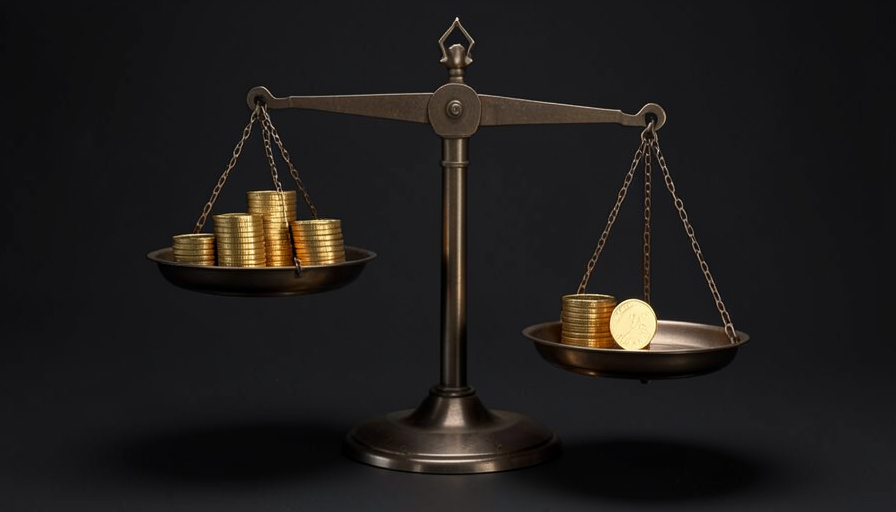
The logic is straightforward. If new bonds start paying a higher coupon, an older bond paying less becomes less attractive, so its market price drops until its return is competitive again. FINRA notes that a measure called duration captures how sensitive a bond is to these shifts, with longer maturities generally more sensitive. If you hold a bond to maturity, though, these price swings do not affect the face value you get back, only its value if you sell early.
The main types of bonds
Bonds come from different kinds of borrowers. Government bonds are issued by national treasuries to fund public spending. In the United States, TreasuryDirect describes Treasury securities that range from short-term bills of under a year to notes of two to ten years and bonds of twenty or thirty years, all backed by the full faith and credit of the government and considered very low risk.
Corporate bonds are issued by companies to raise money and usually pay higher interest to compensate for higher risk. Municipal bonds are issued by state and local governments, often with tax advantages. In general, the safer the issuer, the lower the interest it needs to offer, so the trade-off between risk and reward runs through every bond you might buy.
Why investors hold bonds
People buy bonds mainly for two reasons: income and stability. The regular coupon payments provide a dependable cash flow, which is valuable for retirees and anyone wanting predictability. Bonds also tend to be less volatile than stocks, so they can cushion a portfolio when share prices tumble.
This is why a common piece of advice is to hold a mix of stocks and bonds. Stocks offer growth but swing sharply, while bonds offer steadier returns and balance. The right blend depends on your goals, timeline, and comfort with risk. Bonds are rarely the flashiest part of a portfolio, but they are often the part that lets investors sleep at night. For more on building a sensible plan, the Business section has further guides.
Key takeaways
- A bond is a loan to a government or company that pays you interest and returns your principal at maturity.
- Key terms are the face value (amount repaid), the coupon (interest rate), and the maturity (repayment date).
- Bond prices move opposite to interest rates: when rates rise, prices fall, and vice versa.
- Main types include government, corporate, and municipal bonds, with higher risk generally paying higher interest.
- Investors hold bonds for steady income and lower volatility, often to balance riskier stocks.
This article is for general information only and is not financial or investment advice. All investing involves risk, including possible loss of principal, and bonds can lose value or default. Consider your own circumstances and consult a qualified financial professional before making investment decisions.
Frequently asked questions
What is a bond in simple terms?
A bond is a loan you make to a government or company. In return, the issuer pays you interest at regular intervals and repays your original amount, the face value, on a set future date called the maturity. It is essentially a formal IOU that pays you for lending your money.
How do you make money from a bond?
You earn money mainly through interest payments, known as the coupon, which the issuer pays at fixed intervals until maturity. You also get your original principal back when the bond matures. If you sell a bond before maturity, you may gain or lose money depending on how its market price has moved.
Why do bond prices fall when interest rates rise?
When new bonds are issued at higher interest rates, existing bonds paying lower rates become less attractive. To sell an older, lower-paying bond, the price has to drop until its overall return matches newer bonds. This is why bond prices and interest rates generally move in opposite directions.
What is the difference between a bond and a stock?
A bond is a loan to an issuer that pays fixed interest and returns your principal at maturity, making you a lender. A stock is part ownership of a company with no guaranteed payments, making you a part owner. Bonds are generally steadier, while stocks offer more growth potential and more risk.
Are bonds a safe investment?
Bonds are generally less volatile than stocks, and government bonds from stable countries are considered very low risk. However, no bond is risk-free. Issuers can default, and bond prices fall when interest rates rise. Corporate bonds from weaker companies carry more risk in exchange for higher interest.
Final word
A bond turns a simple idea, lending money for interest, into one of the most useful tools in finance. Once you know the three core pieces, face value, coupon, and maturity, the rest falls into place, including the reason prices move against interest rates. Bonds will not make you rich overnight, and that is rather the point. They trade excitement for reliability, providing income and ballast that steady a portfolio through rough markets. Understood well, they are a quietly powerful part of almost any long-term plan. To keep learning the fundamentals, the Business section is a good place to continue.

Related Posts

What Is an ETF, and How Does It Work?

What Is an Emergency Fund, and Why You Need One