
What Is Blood Pressure, and What Do the Numbers Mean?
Almost everyone has had a cuff tightened around their arm and heard a nurse read out two numbers. Fewer people could say what those numbers actually mean, or why they matter so much. Blood pressure is one of the most powerful, low-effort predictors of long-term health there is, and understanding it takes only a few minutes.
The reading is quick, painless, and quietly important. High blood pressure rarely announces itself, yet over years it can damage the heart, brain, and kidneys. Knowing what the numbers mean is the first step to taking them seriously. Here is a plain guide to what blood pressure is and how to read it.
Short answer
Blood pressure is the force of blood pushing against the walls of your arteries as your heart pumps. It is written as two numbers, like 120 over 80, measured in millimeters of mercury. The top number is the pressure when your heart beats, and the bottom number is the pressure when it rests between beats. A reading below 120 over 80 is considered ideal for most adults, and consistently high readings, known as hypertension, raise the risk of serious problems like heart attack and stroke.
What blood pressure actually is
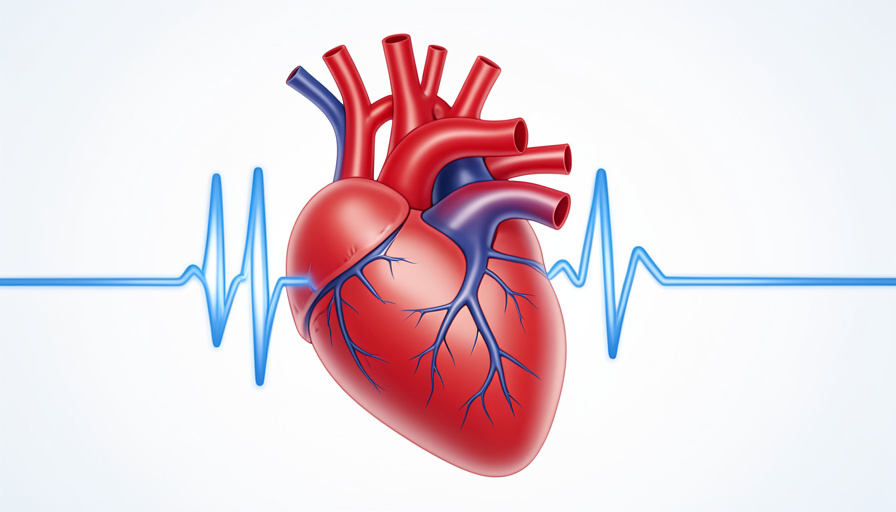
Every time your heart beats, it pushes blood out through a network of vessels called arteries, delivering oxygen to your body. Blood pressure is simply the force of that blood pressing against the artery walls as it travels. Some pressure is essential, because it is what keeps blood moving. The concern is when the pressure stays too high for too long.
As the American Heart Association explains, that force is really the result of two separate moments in the heart’s cycle, which is why a blood pressure reading always comes as two numbers rather than one. Together they capture how hard your circulation is working. For more on staying well, browse SciExaminer’s Health section.
What the two numbers mean
The two numbers describe the high point and the low point of pressure in your arteries. The top, larger number is called systolic pressure. It is the pressure at the instant your heart contracts and pushes blood out. The bottom, smaller number is diastolic pressure, the pressure while your heart relaxes and refills between beats.
So a reading of 120 over 80, spoken as one-twenty over eighty, means a systolic pressure of 120 and a diastolic pressure of 80. Both are measured in millimeters of mercury, shortened to mmHg, a unit left over from the mercury gauges once used to take the reading. When doctors judge your blood pressure, they look at both numbers, because either one being too high can be a problem on its own.
Normal, high, and low ranges
Blood pressure is sorted into categories, and knowing where a reading falls is what gives it meaning. The thresholds below follow widely used guidelines, though exact cut-offs can vary slightly between countries and health bodies.
- Normal: below 120 systolic and below 80 diastolic.
- Elevated: 120 to 129 systolic and below 80 diastolic.
- Stage 1 high blood pressure: 130 to 139 systolic or 80 to 89 diastolic.
- Stage 2 high blood pressure: 140 or higher systolic, or 90 or higher diastolic.
As the Cleveland Clinic notes, a reading at or above 180 over 120 is a hypertensive crisis and needs urgent medical attention. At the other end, unusually low blood pressure, called hypotension, can leave people dizzy or faint, though it is often less of a long-term worry than high pressure.
Why high blood pressure is dangerous
The reason blood pressure gets so much attention is that high blood pressure is common and quietly harmful. It has earned the nickname the silent killer because, for most people, it produces no symptoms at all. You can feel completely well while your arteries are under damaging strain, which is exactly why regular checks matter.
Left unmanaged over years, that constant extra force wears on the body. It raises the risk of heart attack and stroke, and it can gradually damage the kidneys and other organs. Because you cannot feel it, the only reliable way to catch high blood pressure is to measure it, which is a large part of why a quick cuff reading has become such a routine part of health care.
How it is measured and managed
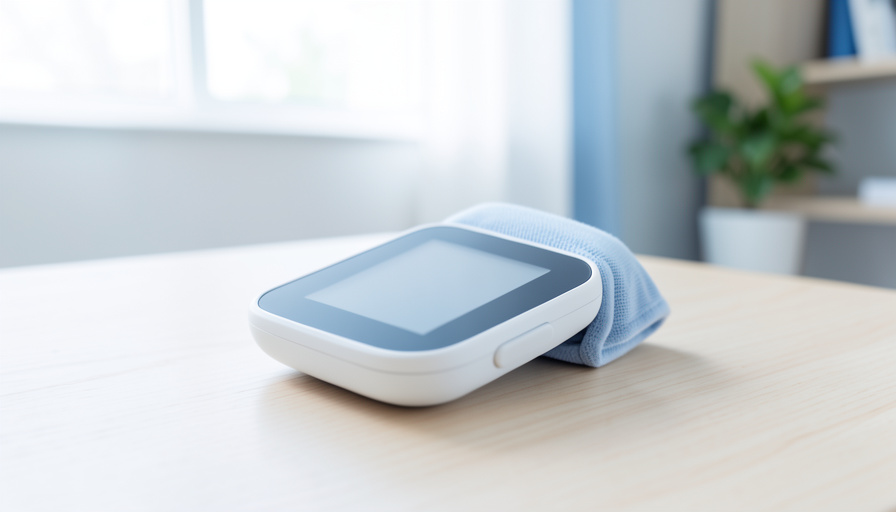
Blood pressure is taken with an inflatable cuff wrapped around the upper arm, either by a clinician or with a home monitor. Because a single reading can be thrown off by stress, caffeine, activity, or even a rushed appointment, doctors usually look for a pattern across several readings rather than reacting to one number.
If blood pressure is consistently high, the good news is that it can usually be controlled. As the UK National Health Service outlines, the first line is lifestyle: eating less salt, following a balanced diet, staying active, keeping a healthy weight, limiting alcohol, and not smoking. When that is not enough, medication can bring the numbers down effectively. The aim is not a one-time fix but steady, long-term control that protects the heart and the rest of the body.
What to know
- Blood pressure is the force of blood pushing against your artery walls as the heart pumps.
- The top number is systolic (heart beating) and the bottom is diastolic (heart resting), in mmHg.
- Below 120 over 80 is ideal; 130 over 80 and above is generally considered high.
- High blood pressure usually has no symptoms but raises the risk of heart attack, stroke, and kidney damage.
- It is measured with an arm cuff and managed through lifestyle changes and, if needed, medication.
This article is general information, not medical advice. Blood pressure targets and treatment depend on your individual health. Consult a qualified healthcare professional about your own readings, especially if they are high or you have symptoms.
Frequently asked questions
What is a normal blood pressure reading?
For most adults, a normal reading is below 120 systolic and below 80 diastolic, written as under 120 over 80. Readings of 130 over 80 and above are generally classed as high blood pressure, though exact thresholds can vary between health guidelines.
What do the two blood pressure numbers mean?
The top number, systolic pressure, is the force in your arteries when your heart beats and pushes blood out. The bottom number, diastolic pressure, is the force when your heart rests between beats. Both are measured in millimeters of mercury, or mmHg.
Why is high blood pressure called the silent killer?
Because it usually causes no symptoms, so people can have dangerously high blood pressure for years without knowing. Over time it raises the risk of heart attack, stroke, and kidney damage, which is why regular checks are important even when you feel fine.
Can blood pressure be too low?
Yes. Unusually low blood pressure, called hypotension, can cause dizziness, fatigue, or fainting, especially when standing up quickly. It is often less of a long-term concern than high blood pressure, but sudden or severe drops should be checked by a doctor.
How can I lower high blood pressure?
Common steps include eating less salt, following a balanced diet, exercising regularly, maintaining a healthy weight, limiting alcohol, and not smoking. If lifestyle changes are not enough, doctors may prescribe medication. Any plan should be guided by a healthcare professional.
The bottom line
Blood pressure is a small measurement that carries a lot of weight. Those two numbers, taken in seconds, reflect how hard your heart and arteries are working, and they offer an early warning that few other simple tests can match. The key thing to remember is that high blood pressure hides in silence, so the only way to stay ahead of it is to measure it and act on what it shows. Knowing what the numbers mean turns a routine cuff reading into something genuinely useful. For more on how the body works, the Science section digs deeper.

Related Posts

Why Do We Get Fevers, and When to Worry?

What Is Metabolism, and Can You Speed It Up?