What Is a Supernova, and How Does It Happen?
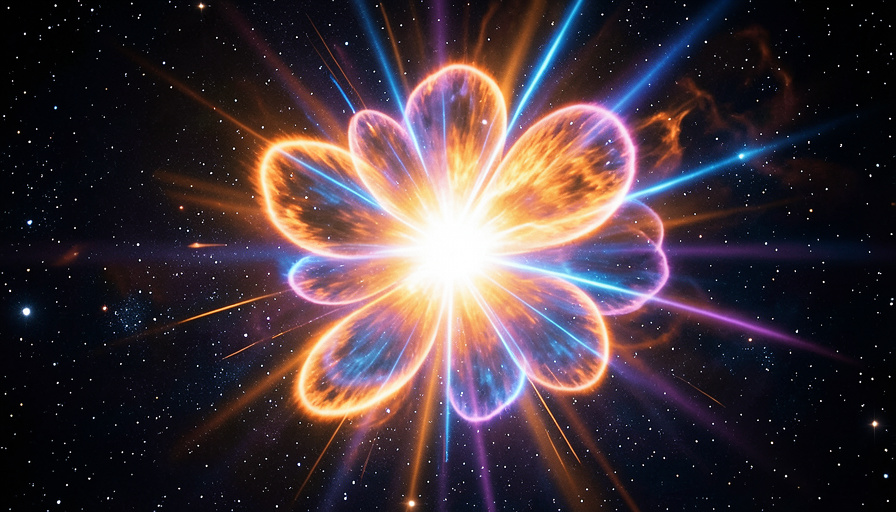
Somewhere in the universe, roughly every second, a star tears itself apart in an explosion so bright it briefly outshines an entire galaxy. We call it a supernova, and it is among the most violent and important events in the cosmos. These blasts do more than light up the sky; they forge the elements that make up planets, oceans, and people. The iron in your blood and the calcium in your bones were cooked inside stars and flung outward by supernovae long before the Sun was born.
Supernovae sit at the crossroads of a star’s death and the birth of new worlds, so they are worth understanding. Here is a plain-language guide to what they are and how they happen.
In brief
A supernova is the powerful explosion of a star at the end of its life. It happens in one of two main ways: a massive star runs out of fuel and its core collapses, or a dense white dwarf star pulls in too much matter and detonates. For a short time, a supernova can shine as brightly as billions of stars combined. In the process, it scatters heavy chemical elements into space, and often leaves behind a neutron star or a black hole.
What a supernova is
In the simplest terms, a supernova is a star exploding. As Britannica defines it, a supernova is a stellar explosion that may occur at the final stage of a star’s evolution or as the result of interaction between stars in a binary system. It marks a dramatic and usually final chapter in a star’s life.
The scale is hard to grasp. A single exploding star releases a staggering burst of energy and light in a matter of days, then slowly fades over weeks and months. What makes supernovae so significant is less their violence than what they build and leave behind, which ripples out into the wider universe.
The two ways stars explode
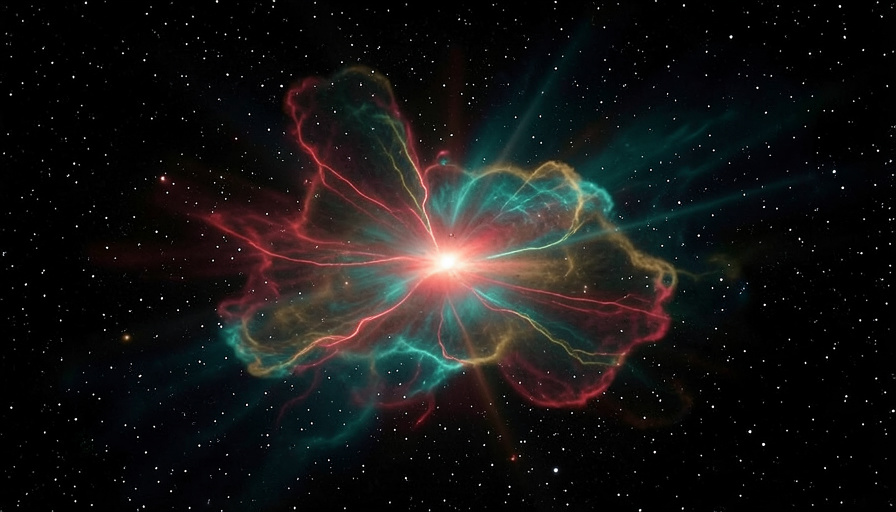
Not all supernovae are alike. According to NASA, they come in two basic types. In a core-collapse supernova, a massive star runs out of fuel to burn, its core collapses in on itself, and the resulting chain reaction blows the star apart.
The other kind involves a white dwarf, the dense burnt-out core of a smaller star. Britannica explains that a Type Ia supernova is the explosion of a white dwarf that has pulled matter from a companion star until it nears a critical mass of about 1.4 times the Sun, at which point runaway nuclear fusion detonates it. One type is a giant collapsing, the other a dead star reignited, but both end in a colossal blast.
How bright they get
The word supernova barely conveys the brightness involved. The European Space Agency notes that a supernova releases so much light it can outshine a whole galaxy of stars put together, on the order of a hundred billion ordinary suns.
That is why supernovae have startled sky watchers for millennia, sometimes appearing as a brilliant new star visible even in daylight before slowly dimming. Astronomers today prize them as cosmic beacons. Because certain supernovae explode with a consistent brightness, they serve as measuring sticks for gauging vast distances across the universe. The birth of many glowing clouds, or a nebula, traces back to these explosions.
Why they matter
Supernovae are, in a real sense, the universe’s factories and delivery trucks for heavy elements. The ESA explains that these explosions seed the cosmos with heavy chemicals, building the elements heavier than iron and scattering them across space, where the resulting stardust goes on to form new stars and planets.
This is the origin of a famous idea: we are made of stardust. The oxygen you breathe, the carbon in your body, and the iron in your blood were forged inside ancient stars and spread by supernovae. As the ESA puts it, the green in the grass and the red of our blood are the colors of stardust. Without these explosions, the ingredients for planets and life would never have reached us.
What they leave behind
An explosion this size leaves a mark. NASA notes that a core-collapse supernova generally leaves behind a compact remnant, either a neutron star or a black hole, depending on how much mass the dying star had. A neutron star packs more than the Sun’s mass into a city-sized sphere; a heavier collapse can form a black hole.
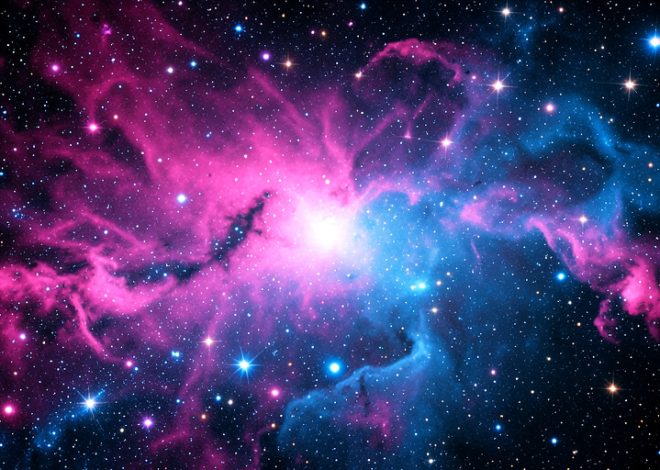
The blast also creates a glowing, expanding cloud of debris called a supernova remnant, which can spread for light-years and shine for thousands of years. These remnants are far more than wreckage. They seed the surrounding space with material and shock waves that can trigger the birth of the next generation of stars, keeping the cycle of cosmic renewal turning.
What matters most
- A supernova is the explosive death of a star, one of the most energetic events in the universe.
- It happens two main ways: a massive star’s core collapsing, or a white dwarf detonating.
- A supernova can briefly outshine an entire galaxy of a hundred billion stars.
- It forges and scatters heavy elements, the raw material for planets and life.
- It often leaves behind a neutron star or black hole, plus an expanding remnant.
Frequently asked questions
What is a supernova in simple terms?
A supernova is a star exploding at the end of its life. In a huge burst of energy, the star blows apart and briefly shines incredibly brightly, sometimes outshining a whole galaxy. The explosion scatters the star’s material into space, where it can help form new stars and planets.
What causes a supernova?
There are two main causes. A very massive star can run out of nuclear fuel, so its core collapses and the star explodes. Alternatively, a dense white dwarf in a binary system can pull in matter from a companion star until it becomes unstable and detonates in a thermonuclear blast.
How bright is a supernova?
Extremely bright. A single supernova can briefly outshine the combined light of a hundred billion ordinary stars, meaning one exploding star can rival an entire galaxy. This is why supernovae are visible across enormous cosmic distances and why some have appeared as brilliant new stars in the sky.
What does a supernova leave behind?
A core-collapse supernova usually leaves a compact remnant, either a neutron star or, for the most massive stars, a black hole. It also produces a supernova remnant, an expanding cloud of glowing gas and dust that can spread across light-years and last for thousands of years.
Are supernovae dangerous to Earth?
A nearby supernova could in theory affect Earth, but there are no stars close enough and ready to explode to pose a real threat. The nearest candidates are far too distant to harm us. In practice, supernovae have been overwhelmingly beneficial, since they created the elements our world is built from.
The bottom line
A supernova is a paradox: a moment of destruction that is also an act of creation. In tearing a star apart, it lights up the heavens and seeds the darkness with the very atoms that will one day become new stars, new planets, and perhaps new life. Every time you look at the night sky, you are seeing the aftermath of countless such explosions, and every time you look at your own hand, you are seeing their leftovers too. For more on the workings of the cosmos, the Space section has much more to explore.

Related Posts
What Is Gravity, and How Does It Work?
What Is a Nebula, and How Do Stars Form in One?