What Is an API, and How Does It Work?
You use APIs dozens of times a day without ever seeing one. When your phone shows the weather, when you tap log in with Google, when a travel site lists flights from ten airlines at once, an API is doing the work behind the scenes. It is one of the most important ideas in modern software, and also one of the most quietly invisible.
The word sounds technical, and the full name, application programming interface, does not help much. But the concept is simple and genuinely useful to understand, because APIs are the connective tissue that lets the apps and services in your life talk to each other. Here is what an API is, in plain terms, and how one actually works.
The short version
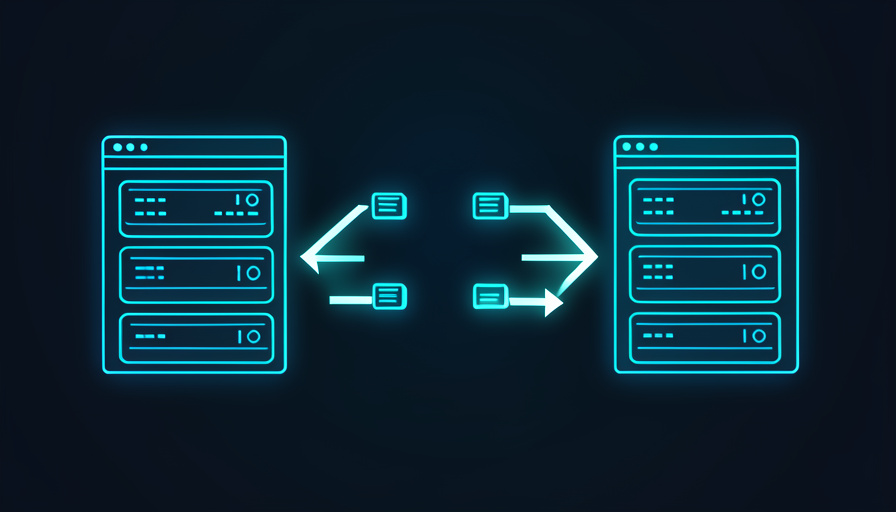
An API is a set of rules that lets one piece of software request something from another and get a response back, without needing to know how the other one works inside. Your app sends a request to a specific address called an endpoint, a server on the other end processes it, and it returns a response, usually a tidy packet of data. APIs are what let different programs, companies, and services plug into each other, which is why they quietly power almost everything you do online.
What an API actually is
An API is a set of rules and definitions that let two software programs communicate. It defines what one program can ask of another, how to ask it, and what will come back. The key idea is that it hides the complicated inner workings behind a simple, agreed-upon way of making requests.
The classic analogy is a waiter in a restaurant. You do not walk into the kitchen and cook. You give your order to a waiter, who carries it to the kitchen and brings back your food. You never need to know how the kitchen is organized. As IBM describes, an API works the same way, acting as an intermediary that lets applications exchange data and features through a defined set of requests. The waiter is the API, shuttling requests and responses so you never touch the kitchen. For more on the tools behind modern software, browse SciExaminer’s Technology section.
How an API call works
Walk through a single request and the whole thing becomes concrete. When an app needs data, it sends a request to the API at a specific web address called an endpoint. The endpoint is a bit like a phone number that reaches one particular resource, say the current weather for a city.
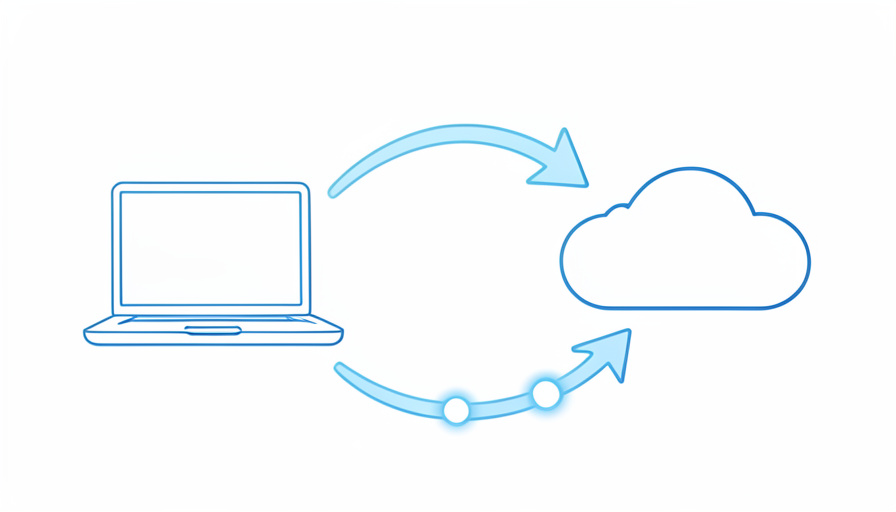
That request travels over the internet to a server, which checks it, does whatever work is needed, and sends back a response. According to Amazon Web Services, the response includes a status code that reports how it went, along with the requested data. You have probably met one status code already: 404, which means the thing you asked for was not found. A code of 200 means success. So every API call is a small, quick round trip, a question sent to an address and an answer returned with a note on whether it worked.
REST, and why you keep seeing JSON
Most of the web’s APIs follow a style called REST, short for representational state transfer. You do not need the full theory, but a couple of its habits are worth recognizing because they show up everywhere.
REST APIs communicate over the same HTTP protocol your browser uses, and they lean on a small set of familiar actions, chiefly getting data, sending new data, updating it, and deleting it. As Red Hat explains, this reliance on standard web methods is a big part of why REST became so popular. The data that comes back is usually formatted as JSON, a lightweight, human-readable way of writing out information as labeled values. If you have ever glanced at raw API output and seen neatly nested lines of names and values, that was JSON.
APIs you use without noticing
APIs stop feeling abstract once you spot them in your daily life, because they are everywhere. Most of the convenience of the modern internet is really one service quietly borrowing from another through an API.
- Weather in your apps. Your phone’s weather does not measure the sky. It pulls forecasts from a weather service’s API.
- Log in with Google or Apple. That button uses an API to verify who you are without the site ever seeing your password.
- Maps inside other apps. When a delivery or travel app shows a map, it is often embedding one through a mapping API.
- Payments at checkout. Online stores hand card processing to a payment service’s API rather than building it themselves.
In each case, one company focuses on doing a thing well, weather, identity, maps, payments, and exposes it through an API so everyone else can plug it in.
Why APIs matter so much
The reason APIs are such a big deal is that they let software be built out of reusable pieces. A developer who needs maps, payments, or translation does not have to build any of it from scratch. They call an existing API and connect a proven service in an afternoon, which makes building new apps dramatically faster.
This is also what turns individual products into ecosystems. When a service opens an API, other developers can create tools, integrations, and businesses on top of it, extending its reach far beyond what one team could build alone. That web of services calling one another is, in a real sense, what the modern internet is made of. Understanding APIs is understanding how all those separate apps quietly cooperate.
Key takeaways
- An API is a set of rules that lets one program request something from another and get a response.
- A request goes to an endpoint, a server processes it, and a response comes back with a status code and data.
- Most web APIs use the REST style over HTTP and return data as JSON.
- Everyday features like weather, log-in buttons, maps, and payments run on APIs.
- APIs let developers reuse services instead of rebuilding them, which powers the connected internet.
Frequently asked questions
What is an API in simple terms?
An API is a messenger between two pieces of software. It lets one program ask another for data or an action using an agreed set of rules, and get a response back, without needing to know how the other program works inside. A common analogy is a waiter taking your order to the kitchen.
What is an API endpoint?
An endpoint is the specific address, usually a web URL, where an API receives a request for a particular resource. It works a little like a phone number: an app sends its request to the right endpoint to reach exactly the data or function it wants.
What is the difference between an API and a REST API?
API is the general term for any interface that lets software communicate. A REST API is a common type of API that follows a particular style, using standard web methods over HTTP and usually returning data in JSON format. Most APIs you meet on the web are REST APIs.
What is JSON, and why do APIs use it?
JSON, or JavaScript Object Notation, is a lightweight way of writing data as labeled values that both humans and programs can read easily. APIs favor it because it is compact, simple to parse in almost any programming language, and easy to inspect.
Do I need to be a programmer to use APIs?
To build with APIs directly, some coding helps, but you use APIs indirectly all the time without any programming. Every app that shows weather, embeds a map, or lets you log in with another account is using APIs on your behalf behind the scenes.
The bottom line
An API is one of those ideas that, once you see it, you notice everywhere. It is the simple contract that lets one program ask another for help and get a clean answer back, and it is the reason your apps can lean on each other instead of each doing everything alone. The next time you tap a log-in button or watch a map load inside an app, you are watching APIs at work, quietly passing requests and responses so the whole thing feels like one smooth experience. For more on how technology fits together, the Science section digs deeper.