



A fever can make you feel miserable, shivering under a pile of blankets while your body burns. It is easy to see it as the illness attacking you. But in most cases, a fever is not the enemy. It is your body deliberately turning up the heat to fight off an invader, a defense as old as the immune system itself.
Because fevers feel bad and worry parents, they get treated as something to stamp out the moment they appear. Understanding what a fever actually is, and when it genuinely signals danger, helps you respond calmly instead of anxiously, and tells you the difference between a normal illness and a real emergency.
Short answer
A fever is a temporary rise in body temperature, usually caused by an infection. Your immune system deliberately raises your internal thermostat because a warmer body is a harder place for many germs to survive and a better environment for your defenses to work. Most fevers are helpful and harmless, but certain signs, especially in babies or with severe symptoms, mean you should get medical care.
What a fever actually is
Normal body temperature sits around 37 degrees Celsius, or about 98.6 degrees Fahrenheit, though it varies a little from person to person and across the day. A fever is generally defined as a temperature of 38 degrees Celsius, or 100.4 Fahrenheit, and above. It is a symptom, not a disease, and it is most often the sign that your body is fighting an infection like a cold, the flu, or a stomach bug.
The key thing to understand is that a fever is not your temperature control breaking down. It is your body raising the target on purpose. That distinction changes how you think about the whole experience, including the shivering that comes with it.
Why your body turns up its own heat
When your immune system detects an invader, its cells release signaling molecules called pyrogens into the bloodstream. As the Cleveland Clinic explains, these travel to the hypothalamus, the part of the brain that acts as your internal thermostat, and tell it to raise the set-point temperature.
This is why chills come first. The moment your thermostat is turned up, your current temperature feels too cold by comparison, so your body shivers and constricts blood vessels to generate and conserve heat until it reaches the new, higher target. Once it gets there, the shivering stops. The whole process is tightly controlled, which is a clue that it is doing a job rather than malfunctioning. For more on staying healthy, browse SciExaminer’s Health section.
Is a fever actually helping?
In most cases, yes. A moderately higher body temperature makes life harder for many bacteria and viruses, slowing their growth, and it appears to help immune cells work faster and more effectively. In other words, the discomfort of a fever is often the sound of your defenses winning.
This is why rushing to eliminate every fever is not always the right move. For a healthy adult or older child with a mild to moderate fever who is otherwise coping, letting it run its course is often reasonable. Treating a fever is mainly about comfort, not about the temperature number itself. That said, comfort matters, and there are clear situations where a fever does need attention.
When to worry
This is the part that matters most, because while most fevers are harmless, some are a genuine warning. Age changes the rules, and babies especially need caution. According to the Mayo Clinic, seek medical care in these situations.
- Any fever in a baby under 3 months. A rectal temperature of 100.4 Fahrenheit or higher in a young infant needs prompt medical attention, and a fever in a newborn is an emergency.
- A fever that lasts too long. A fever persisting more than a few days, or that keeps returning, should be checked.
- Severe accompanying symptoms. A stiff neck, confusion, trouble breathing, a rash that does not fade, repeated vomiting, or signs of dehydration all warrant urgent care.
- A very high fever or one that does not respond to anything and comes with someone appearing very unwell.
When in doubt, especially with an infant or an elderly or vulnerable person, it is always reasonable to call a doctor. Trusting your instinct that something is seriously wrong matters more than any single temperature reading.
How to care for a fever
For an ordinary fever, the goal is comfort and recovery, and the basics do most of the work.

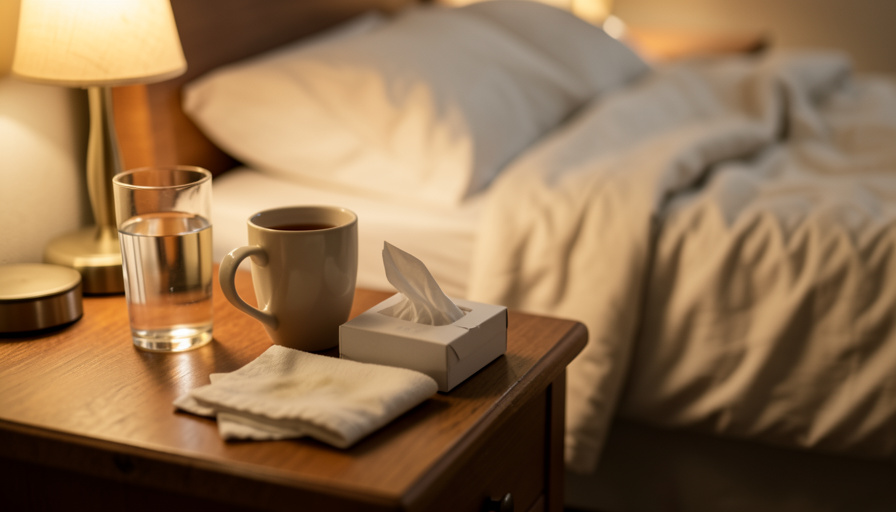
As the UK National Health Service advises, the main steps are rest and plenty of fluids, since fever and sweating can lead to dehydration. Over-the-counter medicines like acetaminophen or ibuprofen can bring a fever down for comfort if you feel wretched, though they are not always necessary. One firm rule: never give aspirin to children or teenagers with a fever, because of a rare but serious condition called Reye’s syndrome. Keep the room comfortable rather than piling on heavy blankets, and let your body do its work.
What matters most
- A fever is a temperature of about 100.4 Fahrenheit or higher, usually caused by infection.
- Your immune system raises your body’s thermostat on purpose to fight germs.
- Chills happen because your body feels cold relative to its new, higher set point.
- Most fevers are helpful and harmless, and treatment is mainly for comfort.
- Get medical care for any fever in a baby under 3 months, long-lasting fevers, or severe symptoms.
This article is general information, not medical advice. Fevers can occasionally signal serious illness, so consult a qualified healthcare professional about a specific fever, especially in infants, older adults, or anyone who seems very unwell.
Frequently asked questions
Why do we get fevers?
A fever usually happens because your immune system is fighting an infection. Its cells release molecules that tell the brain’s thermostat to raise your body temperature, which helps slow the growth of germs and boosts your immune response.
Is a fever good or bad?
Usually it is helpful. A moderate fever makes it harder for many bacteria and viruses to thrive and supports your immune system. Most fevers are harmless, and treating one is mainly about comfort rather than the number itself.
Why do you get chills with a fever?
When your body raises its temperature set point, your current temperature suddenly feels too cold. You shiver and your blood vessels tighten to generate and hold heat until you reach the new, higher target. Once you get there, the chills usually stop.
When should I worry about a fever?
Seek care for any fever in a baby under 3 months, a fever lasting more than a few days, or one with severe symptoms like a stiff neck, confusion, trouble breathing, a non-fading rash, or dehydration. When in doubt, contact a doctor.
How do I bring a fever down safely?
Rest, drink plenty of fluids, and keep comfortable. Acetaminophen or ibuprofen can ease discomfort if needed. Never give aspirin to children or teens with a fever. If the fever is severe or comes with worrying symptoms, seek medical advice.
The bottom line
A fever is one of those things that feels like a problem but is often the solution at work. Your body is a careful machine, and when it raises its own temperature, it is usually making a deliberate move to fight off an infection, not losing control. The smart response is to stay calm, rest, drink fluids, and treat the discomfort if you need to, while keeping a clear eye on the warning signs that call for a doctor. Respect the fever, watch the person more than the thermometer, and know when to ask for help. For more on the science of the body, the Science section digs deeper.