


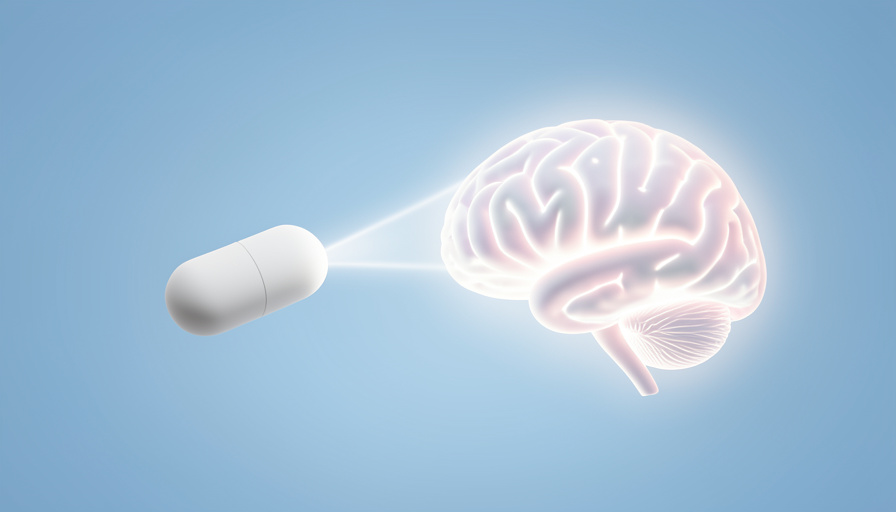
Give someone a pill with nothing in it but sugar, tell them it will ease their pain, and for many people the pain really does ease. No active drug, no trick, and yet a measurable effect. The placebo effect is one of the most misunderstood and quietly remarkable things in all of medicine.
People often use the word placebo to mean fake or imaginary, as if a placebo response is just someone fooling themselves. The science says otherwise. The effect is real, it shows up in the brain and body, and it is powerful enough that every serious drug trial has to be designed around it. Understanding it changes how you think about medicine, and about the strange link between belief and biology.
Quick answer
The placebo effect is a real, measurable improvement in symptoms that happens after someone receives an inactive treatment, such as a sugar pill or a sham procedure. It works through expectation and the brain’s own chemistry, not through any active ingredient. It genuinely helps with symptoms like pain, nausea, and fatigue, but it cannot cure disease or shrink a tumor.
What a placebo actually is
A placebo is an inactive substance or action that looks like a real medical treatment but contains nothing that acts on your body directly. The classic example is a sugar pill, though a saline injection or a sham procedure counts too. As the National Institutes of Health describes, it resembles a treatment but is not meant to fix anything through its chemistry.
The placebo effect is what happens when a person given that inactive treatment gets better anyway. It is why clinical trials compare a new drug against a placebo, because researchers have to separate the drug’s true chemical effect from the improvement that expectation alone can produce. If a medicine cannot beat a sugar pill, it is not doing much. For more on staying well, browse SciExaminer’s Health section.
How the effect works in the brain
The placebo effect is far more than positive thinking. When you expect relief, your brain acts on that expectation with real chemistry. Studies show that a placebo can trigger the release of endorphins, your body’s own natural painkillers, along with dopamine, and brain imaging reveals genuine shifts in activity. The belief that help is coming becomes a biological event.


Context matters enormously. The ritual of care, a confident doctor, a serious-looking pill, the act of being treated, all feed the expectation that drives the response. A larger pill can outperform a small one, and an injection can beat a tablet, even when neither contains any medicine. Your brain reads these cues and prepares the body accordingly, which is why the setting of treatment is a real ingredient in how well it works.
What placebos can and cannot do
This is the part that keeps the placebo effect honest. It is strong, but it is not magic, and knowing its limits matters. Placebos work best on symptoms that the brain has a hand in producing or perceiving, which is a longer list than people expect.
- They can genuinely reduce pain, nausea, fatigue, and some cancer-treatment side effects.
- They can ease conditions like irritable bowel syndrome, migraine, and mild depression.
- They cannot lower your cholesterol, shrink a tumor, or clear an infection.
- They change how you feel and perceive symptoms, rather than curing the underlying disease.
As Harvard Health puts it, a placebo can be remarkably effective for pain and treatment side effects, but it will not fix the biology of a serious illness. That is the line that separates a helpful boost from dangerous wishful thinking.
The surprising open-label twist
Here is the finding that stuns most people. You might assume the placebo effect needs deception, that it only works if you believe the pill is real medicine. Yet in a growing number of studies, people were told outright that they were taking a placebo with no active ingredient, and many still improved.
These so-called open-label placebos have shown benefits for chronic pain, irritable bowel syndrome, and cancer-related fatigue, even with total honesty about what the pill is. Researchers suspect the ritual of taking something, and a sense of hope, can matter as much as belief in the drug itself. It suggests the effect is woven deep into how care and expectation shape the body.
The nocebo effect, its dark twin
Expectation cuts both ways. The nocebo effect is the placebo’s negative mirror image, where expecting to feel worse actually makes you feel worse. If a person is warned that a treatment may cause nausea or headaches, they are more likely to report exactly those symptoms, even from an inactive pill.
As the Cleveland Clinic explains, the nocebo effect can produce real side effects and pain simply because they were anticipated. It is a big reason some people abandon helpful medications over side effects that their expectations helped create, and it shows just how much the mind shapes what the body reports.
At a glance
- A placebo is an inactive treatment, and the placebo effect is the real improvement it can produce.
- It works through expectation and brain chemistry, including endorphins and dopamine.
- It eases symptoms like pain, nausea, and fatigue, but cannot cure disease.
- Open-label placebos can help even when people know the pill is inactive.
- The nocebo effect is the opposite, where expecting harm produces real symptoms.
This article is general information, not medical advice. Never stop or replace a prescribed treatment based on the placebo effect, and talk to a qualified healthcare professional about your care.
Frequently asked questions
Is the placebo effect real?
Yes. It is a genuine, measurable phenomenon, not imagination. Placebos can trigger real changes in the brain and body, including the release of natural painkillers, and can meaningfully reduce symptoms like pain and nausea.
How does the placebo effect work?
It works mainly through expectation. When you believe a treatment will help, your brain responds with real chemistry, such as releasing endorphins and dopamine. The ritual and context of care, from a confident doctor to a convincing pill, strengthen that response.
What can a placebo not do?
A placebo cannot cure disease or change the underlying biology of a serious condition. It will not lower cholesterol, shrink a tumor, or cure an infection. It affects how you feel and perceive symptoms, which is why it should never replace real medical treatment.
Can a placebo work if you know it is a placebo?
Surprisingly, yes. In studies of open-label placebos, people told honestly that a pill has no active ingredient still reported improvement in conditions like chronic pain and irritable bowel syndrome. The ritual and hope involved appear to play a role.
What is the nocebo effect?
The nocebo effect is the opposite of the placebo effect. When someone expects a negative outcome, such as side effects, they are more likely to actually experience it, even from an inactive treatment. Expectation can produce real, unpleasant symptoms.
The bottom line
The placebo effect is proof that the line between mind and body is far blurrier than we like to think. A belief, a ritual, a caring word from a doctor, these can set off real biology and ease real suffering, which is genuinely useful and worth respecting. At the same time, it has firm limits, and it is no substitute for treatment that acts on the disease itself. The honest takeaway is to hold both truths at once: expectation is a real force in healing, and it works best alongside good medicine, not instead of it. For more on the science of the body, the Science section digs deeper.