


Right now, without any effort on your part, your body is under attack. Bacteria, viruses, and other microbes are constantly trying to get in, and most of the time you never know it, because a silent defense force intercepts them first. The immune system is one of biology’s great feats of engineering: a body-wide network that can tell friend from foe, remember enemies for decades, and mount a targeted counterattack against threats it has never seen before.
We tend to think about immunity only when we get sick or hear about vaccines, but the system works around the clock. Understanding how it operates makes sense of everything from why you rarely catch the same illness twice to what allergies and autoimmune diseases really are. Here is a clear guide.
Short answer
The immune system is the body’s defense network against germs and other harmful invaders. It is made up of cells, tissues, and organs, including white blood cells, the skin, and the lymph system, that work together to find and destroy threats. It has two main layers: innate immunity, a fast, general first response, and adaptive immunity, a slower but highly specific response that remembers past invaders. That memory is why you often become immune to a disease after having it once.
What the immune system is
The immune system is not a single organ but a network spread throughout the body. As MedlinePlus, the consumer health service of the US National Library of Medicine, describes it, the immune system is a complex network of cells, tissues, and organs that together help the body fight infections and other diseases.
Its members include the skin and mucous membranes that keep invaders out, white blood cells that hunt down threats, and the lymph system, made up of the bone marrow, thymus, spleen, tonsils, lymph nodes, and vessels that produce and carry immune cells around the body. Because these pieces are distributed everywhere, the immune system can respond to a threat wherever it appears, from a cut on your finger to a virus in your lungs. For more on staying well, browse SciExaminer’s Health section.
The first line of defense
Immunity works in two layers, and the first is called innate immunity. It is the body’s rapid, general-purpose defense, ready to act within minutes or hours against almost anything that does not belong. It does not target a specific germ; it simply attacks invaders on sight.

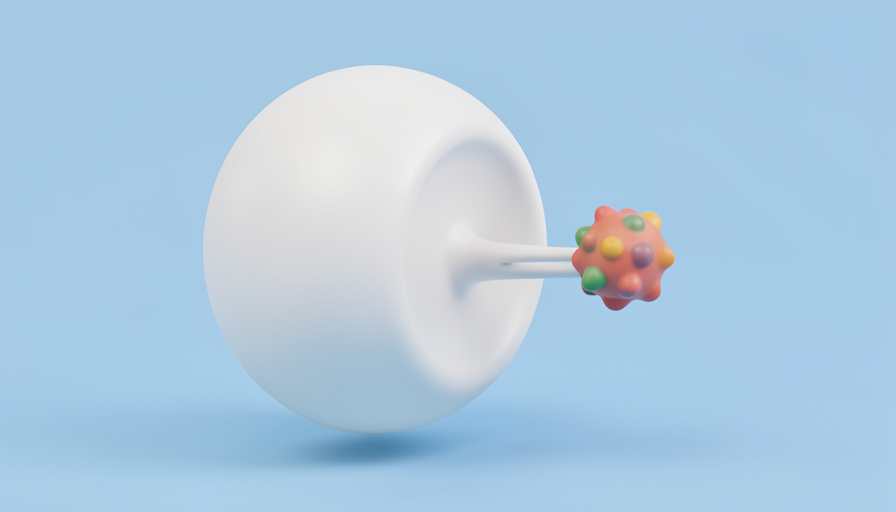
The very first barriers are physical. As the US National Institute of Allergy and Infectious Diseases (NIAID) explains, the skin is usually the first line of defense against microbes, backed up by mucous membranes and by innate immune cells such as macrophages and neutrophils that swallow and destroy intruders. This response is fast and has no memory, meaning it reacts the same way every time. It buys crucial time and handles most minor threats before you ever feel sick.
Adaptive immunity and memory
When an invader slips past the innate defenses or proves too much for them, the second layer takes over: adaptive immunity. It is slower to get going but far more precise, tailored to the specific germ it is fighting. Its main agents are two kinds of white blood cell, T cells and B cells.
B cells produce antibodies, proteins shaped to lock onto a particular invader and mark it for destruction, while T cells help coordinate the attack and kill infected cells directly. The truly remarkable part is memory. As the Cleveland Clinic notes, after an infection the body keeps memory cells that remember the specific antigen, so if that same germ returns, the immune system can recognize and defeat it far more quickly. This is exactly the principle vaccines use, training the adaptive system to remember a threat without you having to get sick first.
Telling self from invader
For any of this to work, the immune system has to solve a hard problem: distinguishing your own healthy cells from foreign or dangerous ones. It does this by recognizing molecules called antigens, markers on the surface of cells and germs that act like identification tags.
MedlinePlus notes that the system treats substances it identifies as antigens, including bacteria, viruses, toxins, and even damaged or cancerous cells, as targets, while learning to leave the body’s own healthy cells alone. When it spots an antigen it recognizes as harmful, it attacks, and it remembers that antigen for next time. This ability to tell self from non-self is the foundation of the whole system, and as we will see, it is also where things can break down.
When the system goes wrong
A defense this powerful can cause harm when it misfires, and immune problems generally fall into two opposite categories. Sometimes the system overreacts. In allergies, it treats a harmless substance like pollen as a threat, and in autoimmune diseases, it mistakenly attacks the body’s own healthy tissue.
The other failure is underperformance. In immunodeficiency, the immune system is too weak, whether from an inherited condition, an illness, or certain medicines, leaving a person prone to frequent, prolonged, or severe infections. Understanding these two directions, an immune system that is too aggressive or not aggressive enough, explains a huge range of conditions and is why doctors sometimes work to calm the immune system and other times to boost it. For most people, though, a healthy immune system quietly does its job, and supporting it comes down to the basics of good health.
Main takeaways
- The immune system is a body-wide network of cells, tissues, and organs that fights infection and disease.
- Innate immunity is a fast, general first defense, including the skin, mucous membranes, and cells that engulf invaders.
- Adaptive immunity is slower but specific, using B cells, T cells, and antibodies tailored to each germ.
- Immune memory lets the body defeat a repeat invader quickly, which is the basis of vaccination.
- The system can misfire, causing allergies and autoimmune disease, or underperform, causing immunodeficiency.
This article is general information, not medical advice. Immune-related symptoms and conditions have many causes and require professional evaluation. Talk to a qualified healthcare provider about any concerns regarding your immune health, infections, or immune-related conditions.
Frequently asked questions
What is the immune system in simple terms?
The immune system is the body’s defense network that protects you from germs like bacteria and viruses. It is made of cells, tissues, and organs, including white blood cells, the skin, and the lymph system, that work together to find and destroy harmful invaders before they make you sick.
What is the difference between innate and adaptive immunity?
Innate immunity is the fast, general first line of defense, such as the skin and cells that attack any invader on sight, with no memory. Adaptive immunity is slower but specific, using B cells, T cells, and antibodies tailored to a particular germ, and it remembers past invaders.
How does the immune system remember past infections?
After fighting an infection, the adaptive immune system keeps memory cells that recognize the specific germ’s antigens. If that germ returns, these cells let the body mount a faster, stronger response, often stopping illness entirely. Vaccines work by creating this memory safely.
What are antibodies?
Antibodies are proteins made by B cells, a type of white blood cell. Each antibody is shaped to lock onto a specific invader, marking it for destruction and helping neutralize it. Producing the right antibodies is a key part of the adaptive immune response.
What happens when the immune system malfunctions?
It can go wrong in two ways. If it overreacts, it causes allergies to harmless substances or autoimmune diseases where it attacks the body’s own cells. If it underperforms, called immunodeficiency, the body becomes prone to frequent or serious infections. Both need medical care.
What to do next
The immune system is one of the body’s most sophisticated and underappreciated achievements, a two-tier defense that combines a fast general response with a precise, memory-driven one. You cannot micromanage it, and no single food or supplement will supercharge it, despite the marketing. What genuinely helps is unglamorous: adequate sleep, a balanced diet, regular activity, not smoking, managing stress, and keeping up with recommended vaccines, which put the system’s own memory to work. Look after the basics, and this quiet defender will keep looking after you. For more on how the body works, the Science section digs deeper.