


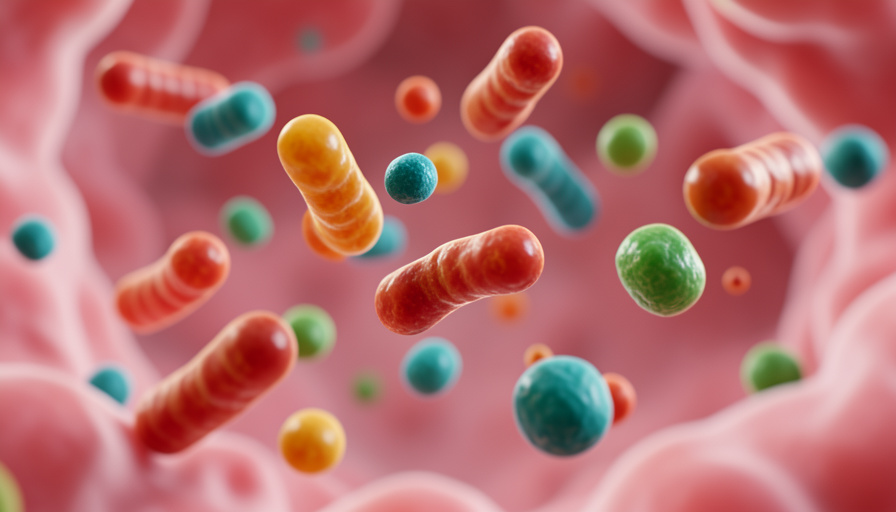
Right now, deep in your gut, trillions of microbes are quietly working. They break down your lunch, tune your immune system, and send chemical signals that reach as far as your brain. You are, in a real sense, a walking ecosystem, and the health of that ecosystem shapes yours.
The gut microbiome has become one of the most hyped topics in health, wrapped in expensive tests, supplements, and bold claims. Underneath the marketing sits some genuinely important science, along with a lot that is still being worked out. Here is the grounded version of what your gut microbes are, what they do, and what actually helps them.
In brief
The gut microbiome is the community of trillions of microbes, mostly bacteria, that live in your digestive tract. They help you digest fiber, make certain vitamins, train your immune system, and hold harmful microbes in check. A diverse microbiome is linked to better health, and the most reliable way to support it is boring but real: eat a wide range of plants and fiber.
What the gut microbiome actually is
Your gut microbiome is the entire community of microorganisms living in your digestive tract, made up mostly of bacteria but also viruses, fungi, and other microbes. Most of them cluster in the large intestine, and together they include something like a thousand different bacterial species, varying from one person to the next as much as a fingerprint.
The numbers are staggering. A widely cited estimate published in PLOS Biology put it at roughly 38 trillion bacteria in the body, compared with about 30 trillion human cells, which means microbial cells roughly match your own. That study also corrected an old myth that bacteria outnumber our cells ten to one. The ratio is closer to one to one, and their combined genes dwarf the human genome.
What your gut microbes do for you
These microbes are working tenants, not passengers, and they earn their keep. Their most famous job is digestion. Your body cannot break down much of the fiber you eat, so gut bacteria ferment it, and in doing so they produce short-chain fatty acids like butyrate that nourish the cells lining your gut and help calm inflammation.
They do far more than that. Gut bacteria manufacture certain vitamins, including vitamin K and several B vitamins. They train and regulate your immune system, a large share of which sits right around the gut, teaching it to tell friend from foe. They crowd out disease-causing microbes by occupying the space and resources those invaders would need. And through what researchers call the gut-brain axis, they produce compounds that influence appetite and mood. For more on staying well, browse SciExaminer’s Health section.
What shapes your microbiome
No two microbiomes are identical, and several forces decide which microbes set up home in you. Diet is the biggest lever you control, because different microbes feed on different foods, so what you eat determines who thrives. A varied, plant-heavy diet tends to grow a more diverse community.
Other influences are set earlier or come and go. How you were born matters, since babies delivered vaginally pick up a different starter set of microbes than those born by cesarean. Age, where you live, whether you have pets, and especially antibiotics all leave a mark. Antibiotics are lifesaving, but they clear out beneficial bacteria along with the harmful ones, which is why they can upset your gut for a while.
When the balance goes wrong
When the microbiome loses diversity or tips out of balance, a state researchers call dysbiosis, it has been linked to a long list of conditions. Studies connect an altered gut microbiome with inflammatory bowel disease, obesity, type 2 diabetes, allergies, and even mood disorders like depression and anxiety.
Here is the honest caveat, though. Most of these are associations, meaning the microbiome looks different in people with the condition, but scientists are still untangling what causes what. A disrupted gut might drive a disease, result from it, or simply travel alongside it. That uncertainty is exactly why you should be wary of products promising to fix your gut and cure everything downstream. The science is real and promising, and it is younger than the marketing suggests.
How to actually support your gut
The good news is that the most effective steps are cheap and unglamorous. You do not need a boutique test or a shelf of supplements. You need to feed the good microbes what they want.

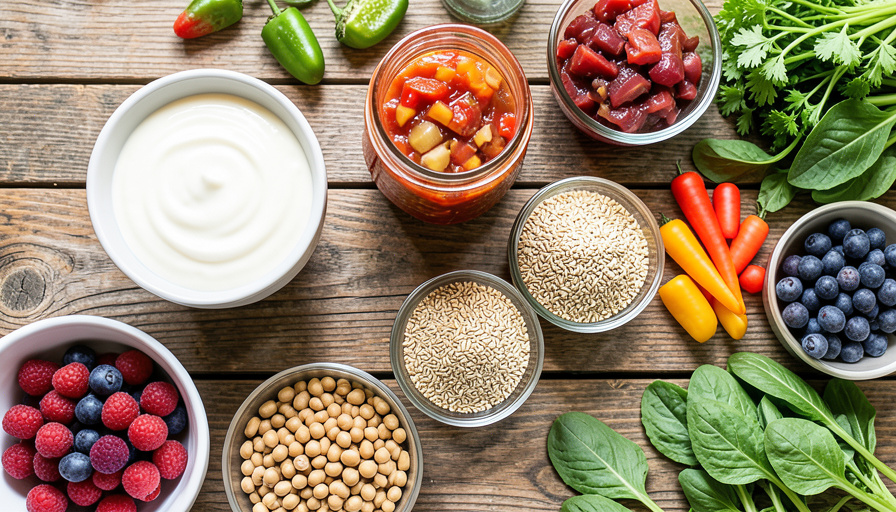
According to the Harvard T.H. Chan School of Public Health, a diet built on minimally processed, plant-rich foods lets the microbiome flourish and is tied to lower risk of chronic disease. A few habits carry most of the benefit:
- Eat a wide variety of plants. Diversity on your plate builds diversity in your gut, so aim for many different vegetables, fruits, legumes, nuts, and whole grains across a week.
- Prioritize fiber. It is the main fuel for beneficial bacteria, and research summarized by the NIH shows fiber and minimally processed foods reshape the microbiome for the better.
- Add fermented foods. Yogurt, kefir, kimchi, and sauerkraut introduce live microbes and have been associated with a more diverse gut.
- Go easy on ultra-processed foods, and avoid antibiotics unless you truly need them.
As for probiotic pills, the evidence is mixed and strain-specific, so food usually beats supplements. Feed your gut well, and it tends to sort itself out.
This article is general information, not medical advice. If you have ongoing digestive symptoms or a health condition, talk to a qualified healthcare professional about your situation.
What matters most
- The gut microbiome is the community of trillions of microbes, mostly bacteria, in your digestive tract.
- Microbial cells roughly match your own body’s cells in number, not ten to one as long believed.
- They help digest fiber, make vitamins, train your immune system, and hold pathogens in check.
- Diet is the biggest factor you control, and antibiotics can disrupt the balance.
- Eating diverse, fiber-rich, plant-based foods is the most reliable way to support it.
Frequently asked questions
What is the gut microbiome in simple terms?
It is the community of trillions of microbes, mainly bacteria, that live in your digestive tract, especially the large intestine. They help digest food, produce vitamins, support your immune system, and protect against harmful microbes.
Why is the gut microbiome important?
Because it does jobs your body cannot do alone, like fermenting fiber into helpful compounds, making certain vitamins, and training your immune system. A diverse, balanced microbiome is linked to better digestive, metabolic, and even mental health.
How can I improve my gut microbiome?
Eat a wide variety of plants and plenty of fiber, add fermented foods like yogurt and kimchi, limit ultra-processed foods, and avoid unnecessary antibiotics. Dietary diversity is the single most reliable way to build a healthy gut.
Do probiotic supplements work?
The evidence is mixed and depends on the specific strain and situation. For most healthy people, feeding existing gut bacteria with fiber and fermented foods is more reliable than taking a general probiotic pill.
Can antibiotics harm my gut microbiome?
Yes. Antibiotics kill beneficial bacteria along with harmful ones and can disrupt the microbiome for weeks or longer. They are important when genuinely needed, but should not be taken for illnesses they cannot treat, such as most colds.
Closing thoughts
The gut microbiome is a genuine frontier in health, and it deserves the interest it gets. It also deserves a clear head. Strip away the supplement ads and the cure-all promises, and the takeaway is refreshingly simple. You are hosting an ecosystem, and like any ecosystem it does best with variety and care. Eat a rainbow of plants, go gentle on the processed stuff, respect antibiotics, and let the trillions of tiny tenants do the rest. For more on the science of your body, the Science section digs deeper.