


Sprain your ankle and it swells, reddens, and throbs within minutes. That is inflammation at work, and in this case it is a good thing: your body is rushing repair crews to the damage. Yet the very same process, when it never switches off, is now tied to some of the biggest chronic illnesses we face. Inflammation is one of biology’s most useful tools and one of its most double-edged, which is exactly why it is worth understanding.
Inflammation shows up in everything from a paper cut to heart disease, so it pays to know what it actually is. Here is a plain-language guide to how it works and why it matters.
Quick answer
Inflammation is your body’s response to injury, infection, or anything it treats as a threat. The immune system floods the area with cells and chemicals to trap invaders and start healing, which produces the familiar redness, heat, swelling, and pain. This short-term reaction is protective. Problems begin when inflammation becomes chronic, lingering for months or years and quietly damaging healthy tissue, a state linked to heart disease, diabetes, and other conditions.
What inflammation is
At its core, inflammation is a defense. As the Cleveland Clinic puts it, inflammation is your body’s response to an illness, injury, or something that does not belong inside you. The immune system sends inflammatory cells and signaling molecules called cytokines to the site to trap germs or toxins and begin the repair work.
The mechanics are surprisingly specific. According to MedlinePlus, damaged cells release chemicals including histamine, bradykinin, and prostaglandins, which make nearby blood vessels leakier. Fluid seeps into the tissue and white blood cells are drawn in to consume pathogens and clear away debris. Inflammation is really one arm of the body’s broader defenses, so it helps to see how it fits into the immune system as a whole.
Acute inflammation: the healing kind
Most inflammation is acute, meaning it comes on fast and fades once the job is done. The Cleveland Clinic notes that acute inflammation is the sudden, temporary response to injury or illness, typically lasting only hours to a few days. It is the version you can see and feel around a cut, a sprain, or a sore throat.


Doctors have described its hallmarks for centuries: redness, heat, swelling, pain, and sometimes reduced movement in the affected part. Those signs are simply the visible side of the biology. The extra blood flow brings warmth and redness, the leaking fluid causes swelling, and the chemical messengers make nerve endings more sensitive, which is why the area hurts. Uncomfortable as it feels, this is the body doing precisely what it should.
Chronic inflammation: when it lingers
Trouble starts when the response does not shut down. The Cleveland Clinic describes chronic inflammation as a state where inflammatory cells stay active even though there is no real danger to fight, sometimes persisting for months or years and causing meaningful tissue damage along the way.
Chronic inflammation is far harder to spot than the acute kind. Instead of an obvious swollen joint, it can show up as vague, lingering symptoms such as fatigue, joint pain, low mood, digestive problems, or frequent minor infections. Because the signs are quiet, people often carry low-grade inflammation for a long time without realizing it, which is part of what makes it so consequential for long-term health.
Diseases it is linked to
The reason chronic inflammation gets so much attention is its links to serious disease. According to Harvard Health, persistent low-level inflammation involves immune cells staying on alert and sometimes attacking healthy tissue, a pattern connected to heart disease, stroke, diabetes, cancer, and dementia.
The Cleveland Clinic points to a similar spread of conditions, from autoimmune disorders such as rheumatoid arthritis and lupus to type 2 diabetes, cardiovascular disease, and inflammatory bowel diseases like Crohn’s. Inflammation is not always the sole cause of these illnesses, but it is a common thread running through many of them, which is why researchers treat it as a key target for prevention.
How to lower harmful inflammation
The encouraging part is that everyday habits shape chronic inflammation. Harvard Health lists smoking, a poor diet, physical inactivity, obesity, chronic stress, and irregular sleep among the factors that keep low-level inflammation simmering. Each of those is something you can influence.
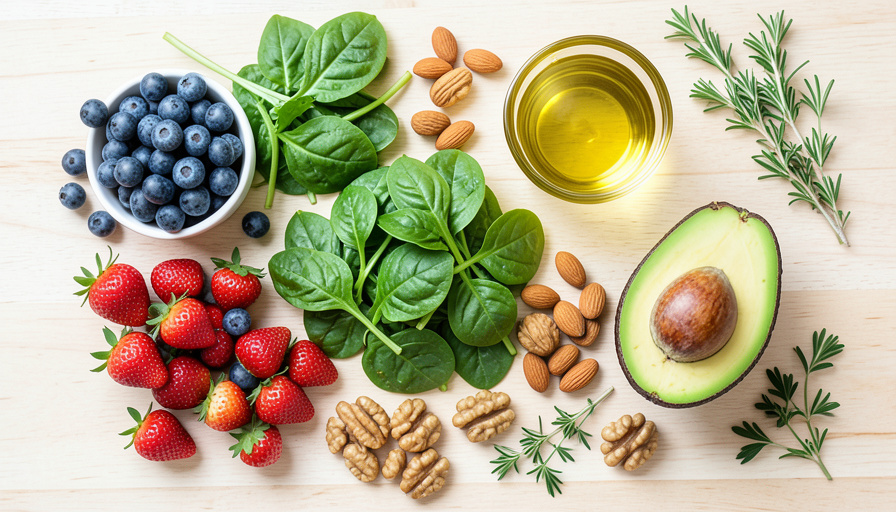
Diet gets the most attention. A plant-rich pattern such as the Mediterranean diet, built around fruits, vegetables, whole grains, legumes, fish, nuts, and olive oil, is tied to lower rates of inflammatory disease, while ultra-processed foods high in sugar, salt, and saturated fat tend to push in the opposite direction. Regular physical activity, decent sleep, and managing stress round out the picture. None of it is a cure, but together these habits give the body less to inflame about. For more on staying well, the Health section has plenty to explore.
Key takeaways
- Inflammation is the immune system’s response to injury, infection, or perceived threats.
- Acute inflammation is short-term and protective, producing redness, heat, swelling, and pain as it heals you.
- Chronic inflammation lingers for months or years and can quietly damage healthy tissue.
- It is linked to heart disease, diabetes, cancer, autoimmune conditions, and more.
- Diet, exercise, sleep, and not smoking all help keep harmful inflammation in check.
This article is for general information and is not medical advice. If you have symptoms that concern you or a health condition involving inflammation, consult a qualified healthcare professional.
Frequently asked questions
What is inflammation in simple terms?
Inflammation is how your body defends and repairs itself. When you are injured or infected, the immune system sends cells and chemicals to the area to fight threats and begin healing. This causes the familiar redness, warmth, swelling, and tenderness. In the short term it is a normal and helpful process.
What is the difference between acute and chronic inflammation?
Acute inflammation is a fast, temporary response to a specific injury or illness that usually clears within days. Chronic inflammation is a low-grade response that persists for months or years, often without an obvious cause, and can slowly harm healthy tissue rather than heal it.
What are the signs of chronic inflammation?
Chronic inflammation tends to be subtle. Common signs include ongoing fatigue, joint or muscle pain, low mood, digestive issues, skin problems, and frequent minor infections. Because these symptoms are vague, chronic inflammation often goes unnoticed, so persistent problems are worth discussing with a doctor.
What foods reduce inflammation?
Plant-rich diets are linked to lower inflammation. Fruits, vegetables, whole grains, legumes, nuts, fatty fish, and olive oil are commonly recommended, much like the Mediterranean diet. Cutting back on ultra-processed foods high in added sugar, salt, and saturated fat also helps reduce the inflammatory load.
Is all inflammation bad for you?
No. Acute inflammation is essential and beneficial, as it is how wounds heal and how the body clears infections. The harmful kind is chronic, low-level inflammation that never fully switches off. The goal is not to eliminate inflammation but to keep the persistent, damaging form under control.
Final word
Inflammation is a reminder that the same biology can protect or harm depending on the timescale. In an afternoon, it heals a scraped knee; over years, it can wear the body down from the inside. You cannot switch it off, and you would not want to, but the balance is more in your hands than it first appears. Steady habits around food, movement, sleep, and stress do more than any single remedy to keep inflammation on your side. For more on how your body works and how to care for it, the Health section is a good place to start.