


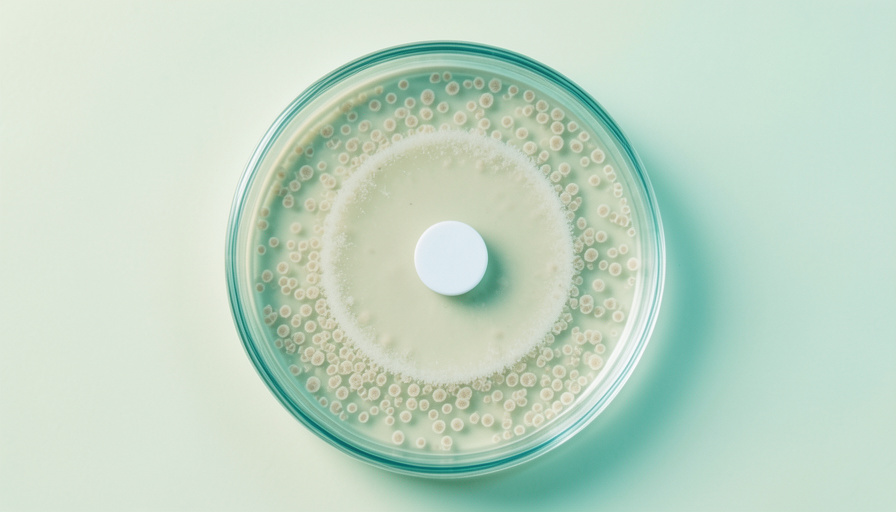
Before antibiotics, a scratch from a rose thorn or a case of strep throat could turn deadly. Then, in 1928, Alexander Fleming noticed that a stray mold had killed the bacteria on one of his lab plates, and modern medicine was never the same. Antibiotics went on to save countless lives. Yet the very habits that made them feel routine, reaching for them at the first sniffle, are now blunting their power.
Most of us have taken a course of antibiotics at some point, but few people know how they actually work or why doctors have grown so careful about handing them out. Understanding that changes how you think about the next prescription. Here is a clear guide to what antibiotics are and how they do their job.
In brief
Antibiotics are medicines that fight infections caused by bacteria, either by killing the bacteria or by stopping them from growing and multiplying. They do nothing against viruses, which cause colds, the flu, and most sore throats, so taking them for those illnesses will not help. Using antibiotics only when truly needed, and exactly as prescribed, matters because overuse is driving the rise of bacteria that the drugs can no longer kill.
What antibiotics actually are
An antibiotic is a medicine that fights bacterial infections in people and animals. As MedlinePlus, the consumer health service of the US National Library of Medicine, puts it, antibiotics are medicines that fight bacterial infections. They are used against illnesses caused by bacteria, such as strep throat, many urinary tract infections, and certain types of pneumonia.
The story begins with penicillin, the first true antibiotic, discovered by Alexander Fleming in 1928 and put into wide use during the 1940s. Since then, scientists have developed many families of antibiotics, each suited to particular bacteria. Some are broad-spectrum, meaning they work against a wide range of bacteria, while others are narrow-spectrum and target only a few kinds, which is why the right choice depends on the infection. For more on staying well, browse SciExaminer’s Health section.
How antibiotics work
Antibiotics work in one of two broad ways: they either kill bacteria outright or stop them from growing and reproducing, which gives your immune system the upper hand it needs to clear the infection. To do this, they exploit features that bacterial cells have but your own cells do not.

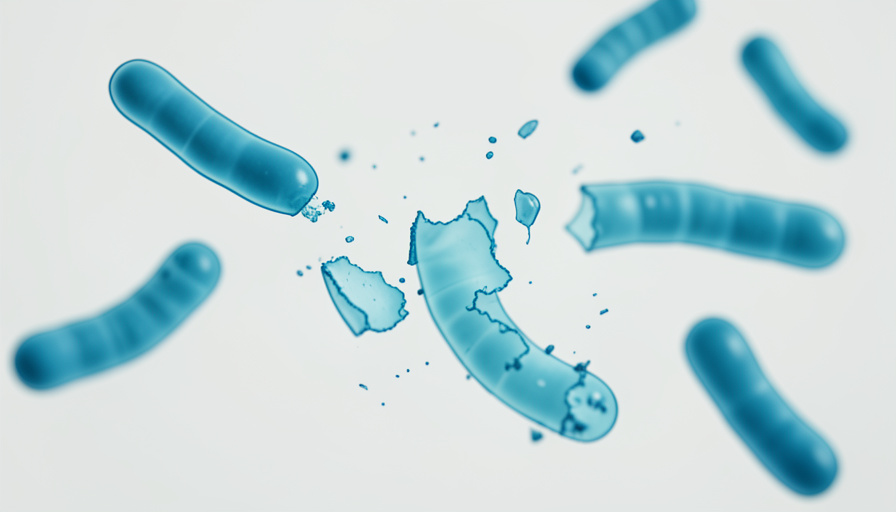
Some antibiotics, such as penicillin, attack the cell wall that surrounds and protects a bacterium, causing it to burst. Others interfere with the machinery bacteria use to build proteins or copy their DNA, halting their ability to multiply. Because these targets are specific to bacteria, a well-chosen antibiotic can wipe out an infection while leaving your own cells largely untouched. This precision is also why a drug that works on one type of bacterium may do nothing to another.
Why they do nothing for a cold
Here is the single most important thing to know about antibiotics: they only work on bacteria. They have no effect on viruses, which are a completely different kind of germ. Colds, the flu, most coughs and sore throats, and many sinus and ear infections are caused by viruses, so an antibiotic will not cure them, speed up recovery, or stop you spreading the illness.
This distinction matters more than it might seem. According to the US Centers for Disease Control and Prevention, about a third of antibiotic use in people is not needed or appropriate, much of it for viral illnesses that were never going to respond. Taking an antibiotic you do not need will not help you get better, and it exposes you to side effects and adds to the wider resistance problem for no benefit at all.
Using antibiotics the right way
When an antibiotic is genuinely needed, how you take it matters. The standard advice is to follow the directions closely, take every dose, and finish the full course your doctor prescribes even if you start feeling better partway through. Stopping early can leave the hardiest bacteria alive to bounce back. Just as important, you should never save leftover antibiotics for a future illness or share them with someone else.
Antibiotics can also come with side effects. Common ones are usually mild, including nausea, diarrhea, rashes, and yeast infections, since the drugs disrupt the helpful bacteria in your body along with the harmful kind. More rarely, they can trigger severe allergic reactions or a difficult gut infection called C. difficile. None of this means antibiotics are dangerous to use, but it is a good reason to take them only when a doctor decides they are truly necessary.
The growing problem of resistance
The biggest reason doctors have become cautious is antibiotic resistance. This happens when bacteria evolve to survive the drugs meant to kill them. Every time antibiotics are used, especially when they are used unnecessarily, they put pressure on bacteria to adapt, and the survivors multiply and pass their resistance on. Over time, once-reliable drugs stop working.
This is not a distant worry. The World Health Organization lists antimicrobial resistance among the top global public health threats, and estimates that roughly one in six laboratory-confirmed bacterial infections worldwide was resistant to antibiotics in 2023. As resistant infections spread, they become harder and more expensive to treat, and some are approaching the point where few or no drugs work against them. That is why every course you skip when it is not needed helps keep antibiotics working for when they are.
What to know
- Antibiotics fight bacterial infections by killing bacteria or stopping them from multiplying.
- They do nothing against viruses, so they will not help a cold, the flu, or most sore throats.
- About a third of antibiotic use in people is unnecessary, often for viral illnesses.
- Take the full course as prescribed, and never save or share leftover antibiotics.
- Overuse drives resistance, making infections harder to treat, so use them only when truly needed.
This article is general information, not medical advice. Whether you need an antibiotic, and which one, depends on your specific infection and health. Always follow your doctor’s guidance and take any prescription exactly as directed.
Frequently asked questions
What are antibiotics in simple terms?
Antibiotics are medicines that fight infections caused by bacteria in people and animals. They either kill the bacteria directly or stop them from growing and multiplying, which helps your immune system clear the infection. They work only against bacteria, not viruses.
Do antibiotics work on colds and the flu?
No. Colds, the flu, and most sore throats and coughs are caused by viruses, and antibiotics have no effect on viruses. Taking an antibiotic for a viral illness will not make you better or recover faster, and it needlessly exposes you to side effects and resistance.
Why do I have to finish the whole course of antibiotics?
Finishing the full course as prescribed helps make sure the infection is fully cleared. Stopping early because you feel better can leave the toughest bacteria alive to multiply again. Follow your doctor’s directions, and do not save leftover doses for later or share them.
What are the common side effects of antibiotics?
Mild side effects such as nausea, diarrhea, rashes, and yeast infections are fairly common, because antibiotics also disturb helpful bacteria in the body. Rarely, they can cause severe allergic reactions or a serious gut infection called C. difficile. Tell your doctor about any strong reaction.
What is antibiotic resistance?
Antibiotic resistance is when bacteria evolve to survive the drugs designed to kill them, so those drugs no longer work. It is driven mainly by overuse and misuse of antibiotics. Resistant infections are harder and costlier to treat, which is why using antibiotics only when needed is so important.
What to do next
Antibiotics are one of the most powerful tools medicine has, but their strength depends on how carefully we use them. The simplest rule is to treat them as the specific, prescription-only drugs they are, not as a general remedy for feeling unwell. If you are sick, ask your doctor whether an antibiotic is actually the right treatment, take it exactly as directed when it is, and skip it without argument when it is not. Doing that protects both your own health and the shared resource of drugs that still work. For more on how the body and its invisible inhabitants interact, the Science section digs deeper.