


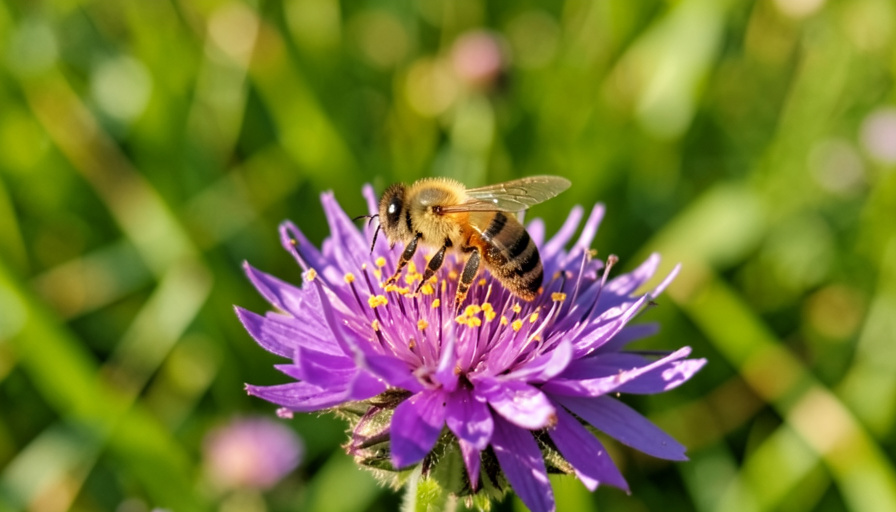
Bees are easy to take for granted. They buzz around gardens in summer, and most of us barely notice them. Yet a surprising share of the food you eat exists only because bees and other pollinators moved pollen from one flower to another. Apples, almonds, blueberries, coffee, and many more foods trace back to that quiet work. When scientists warn that bees are in trouble, they are really warning about our food.
So why do bees matter so much, and what happens if they keep declining? Here is a clear look at what bees actually do for us, and why so many researchers are paying close attention.
Short answer
Bees matter because they pollinate a large portion of the crops we eat. As they move between flowers gathering nectar, they transfer pollen that plants need to produce fruits, nuts, and seeds. Roughly a third of the world’s food crops depend on animal pollinators, and bees are among the most important. Their populations are declining in many regions, which raises real concerns about food supply and nutrition.
What bees actually do
To understand why bees matter, you have to understand pollination. Most flowering plants cannot reproduce on their own. They need pollen, the fine powder produced by a flower, to travel from one bloom to another so the plant can make seeds and fruit. Some plants rely on wind for this, but a huge number depend on animals to carry the pollen for them.
Bees are especially good at the job. As a bee lands on a flower to drink nectar, pollen grains stick to the tiny hairs covering its body. When it flies to the next flower, some of that pollen rubs off onto the new bloom, fertilizing it. The bee is only looking for food, but along the way it does the plant a favor that keeps the whole system going, which is why healthy bee populations are so valuable to farms and wild places alike.
Why bees matter for our food
Here is where the stakes become clear. According to the U.S. Department of Agriculture, about a third of the world’s food crops depend on animal pollinators to reproduce. Put another way, roughly one in every three bites of food you take is possible because a pollinator did its work.

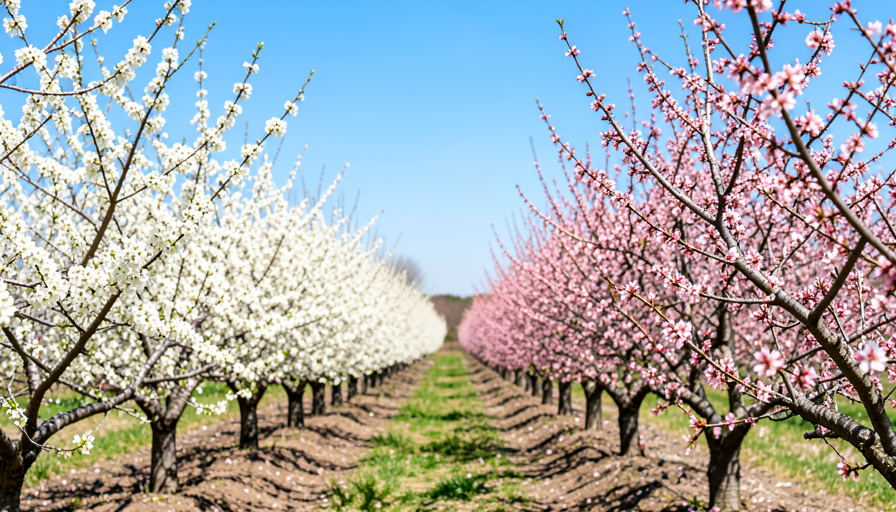
The USDA notes that honey bees alone help pollinate more than 90 different fruits and vegetables, worth an estimated 15 billion dollars in crops in the United States. More than 100 crops grown across the country rely on pollination, including familiar favorites such as apples, blueberries, cherries, and almonds. Almonds are an especially striking case, since the crop depends almost entirely on bees brought in during bloom. Without pollinators, these foods would become scarcer and more expensive, and some would be very hard to grow at all.
Beyond the plate: wild plants
Bees do more than feed people. They also keep wild ecosystems running. A large share of the world’s flowering plants depend on insect pollination, and bees carry much of that load. Those plants, in turn, feed and shelter countless other animals, from birds to mammals. Remove the pollinators, and the effects ripple outward through the food web.
This is part of why bees are often described as a keystone in healthy habitats. The wildflowers they pollinate produce seeds and berries that other species eat, and they help maintain the plant diversity that makes an ecosystem resilient. If you want to explore how these connections hold together, the Environment section covers the wider picture. The short version is that bees support life well beyond the crops we harvest.
Why bees are in trouble
The reason scientists keep raising the alarm is that bees and other pollinators are declining in many parts of the world. The Food and Agriculture Organization of the United Nations warns that falling bee populations threaten global food security and nutrition, pointing to intensive farming, monocropping, heavy use of agricultural chemicals, and rising temperatures linked to climate change as major pressures.
The picture is complicated because no single cause is to blame. The U.S. Environmental Protection Agency explains that the decline in honey bee health comes from a tangle of stressors working together. These include parasitic pests such as the varroa mite, diseases and viruses, poor nutrition from lost foraging habitat, and exposure to certain pesticides. The stress of trucking commercial hives long distances to pollinate crops adds to the burden. Because the causes overlap, there is no single quick fix, which is exactly what makes the problem hard to solve.
What actually helps
The good news is that bees respond well to support, and small actions add up. Planting a range of flowers that bloom across the seasons gives bees a steady food supply, and native plants tend to suit local bees best. Leaving some patches of a garden a little wild, with bare soil or hollow stems, gives solitary bees places to nest.
Cutting back on pesticides matters too, especially avoiding sprays when plants are flowering and bees are active. On a larger scale, protecting and restoring natural habitat gives pollinators room to recover. None of these steps alone will reverse a global decline, but together they ease the pressure. For more on the science behind these ecosystems, the Science section digs deeper into how the natural world fits together.
Main takeaways
- Bees pollinate crops by carrying pollen between flowers as they gather nectar, allowing plants to make fruit and seeds.
- About a third of the world’s food crops depend on pollinators, so roughly one in three bites of food traces back to them.
- Honey bees alone help pollinate more than 90 fruits and vegetables in the United States, worth billions of dollars.
- Bees also sustain wild plants and the animals that depend on them, making them vital to whole ecosystems.
- Populations are declining from a mix of habitat loss, pests, disease, pesticides, and climate stress.
Frequently asked questions
Why are bees so important?
Bees are important because they pollinate a large share of the crops and wild plants we depend on. By moving pollen between flowers, they let plants produce fruits, nuts, and seeds. Around a third of the world’s food crops rely on pollinators, so bees have a direct effect on both our food supply and natural ecosystems.
What would happen if all the bees disappeared?
If bees disappeared, many crops that depend on pollination would fail or produce far less, including apples, almonds, blueberries, and coffee. Food would become scarcer and more expensive, and diets would lose nutritional variety. Wild plants that rely on bees would also decline, harming the animals that depend on them.
Do only honey bees pollinate crops?
No. Honey bees are widely used in farming, but thousands of native wild bee species also pollinate crops and wild plants. Some, such as bumble bees, work in cooler conditions and are effective for crops like tomatoes. A mix of bee species generally provides more reliable pollination than any single kind.
Why are bee populations declining?
Bee decline comes from several overlapping causes rather than one. Major factors include loss of foraging habitat, parasitic pests like the varroa mite, diseases, exposure to some pesticides, poor nutrition, and climate stress. Because these pressures interact, the problem is difficult to solve with any single measure.
How can I help bees at home?
You can help by planting a variety of flowers that bloom across the seasons, favoring native species, and avoiding pesticide use while plants are flowering. Leaving small wild areas with bare soil or hollow stems gives solitary bees places to nest. Small gardens and balconies can still make a real difference.
What to do next
Bees matter far more than their size suggests. They are quiet partners in growing a large share of our food and in keeping wild places alive, which is why their decline is treated as a serious warning rather than a minor nuisance. The reassuring part is that pollinators respond to help, and the actions that support them, from planting flowers to protecting habitat, are within reach. Next time you see a bee working a bloom, it is worth remembering how much of your plate depends on that small, patient effort. For more on the living systems that keep our world running, the Environment section is a good place to keep reading.