


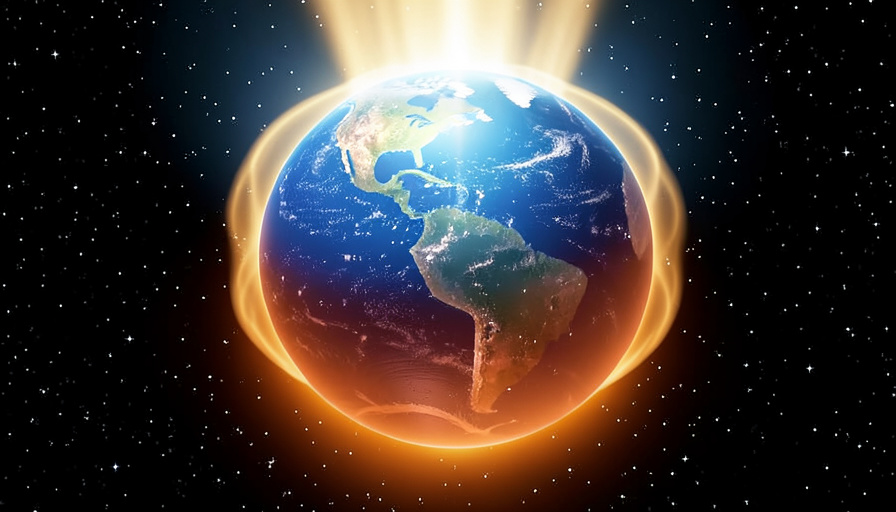
Here is a strange truth about the greenhouse effect: without it, Earth would be a frozen ball of ice, and life as we know it could not exist. The very same effect, pushed too far, is what is heating the planet today. It is both the reason we are here and the reason the climate is changing, which makes it worth understanding properly.
The greenhouse effect gets talked about constantly, usually as a villain, but the science behind it is simpler and more interesting than the headlines suggest. It is a natural process that keeps our world livable, and the problem is not the effect itself but how much we have turned it up.
The short version
The greenhouse effect is the process by which certain gases in the atmosphere trap heat, keeping Earth warm. Sunlight passes through the air and warms the surface, the surface radiates that heat back out, and greenhouse gases absorb some of it and send it back down instead of letting it escape to space. This is natural and necessary, but burning fossil fuels adds more of these gases, trapping extra heat and warming the planet.
How the greenhouse effect works
Start with sunlight. Energy from the Sun streams down through the atmosphere, mostly as visible light, and warms the Earth’s surface. The warmed ground and oceans then radiate that energy back upward, but in a different form, as invisible infrared heat.
This is where greenhouse gases come in. As the MIT Climate Portal explains, molecules of these gases absorb that outgoing infrared energy and then re-emit it in random directions. Some of it heads back down toward the surface instead of escaping to space, which keeps heat in the system. The more greenhouse gas there is, the more outgoing heat gets caught and returned, and the warmer the surface stays. For more environmental science, browse SciExaminer’s Environment section.
Why we actually need it
It is tempting to think of the greenhouse effect as purely harmful, but the natural version is what makes Earth habitable. Without any greenhouse gases, the heat from the surface would radiate straight back into space, and the planet’s average temperature would plunge to somewhere around minus 18 degrees Celsius, far below freezing.
Instead, the natural greenhouse effect keeps our global average near a comfortable 15 degrees Celsius, a difference of more than 30 degrees. That warming blanket is the reason we have liquid water, moderate temperatures, and a living world. The greenhouse effect is not the enemy. It is a life-support system that has worked for billions of years.
The main greenhouse gases
Not every gas in the air traps heat. Nitrogen and oxygen, which make up most of the atmosphere, barely absorb infrared at all. The heat-trapping work is done by a handful of trace gases. As the US Environmental Protection Agency outlines, the main ones are worth knowing.
- Water vapor is the most abundant greenhouse gas, and its amount rises as the planet warms, which amplifies other warming.
- Carbon dioxide comes largely from burning fossil fuels and is the biggest driver of human-caused warming.
- Methane is far more potent than carbon dioxide per molecule, released from agriculture, landfills, and fossil fuels.
- Nitrous oxide and fluorinated gases are less common but powerful heat-trappers from industry and farming.
Carbon dioxide gets the most attention because there is so much of it and it lingers for a very long time, building up in the atmosphere over decades and centuries.
When a good thing goes too far
The trouble began when humans started adding large amounts of greenhouse gas to the air. Burning coal, oil, and gas releases carbon dioxide that was locked away for millions of years, thickening the heat-trapping blanket faster than nature ever would.

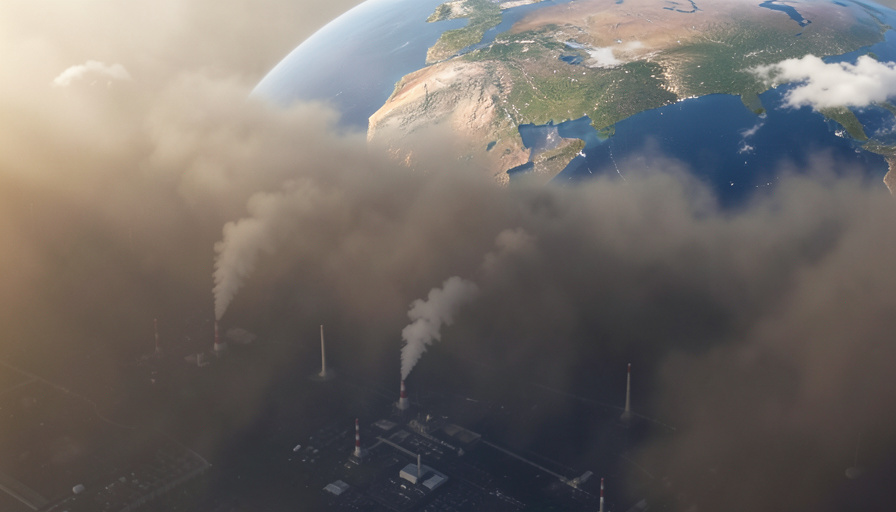
The numbers tell the story. According to NOAA’s Climate.gov, atmospheric carbon dioxide has climbed from around 280 parts per million before the industrial era to well over 420 today, a level not seen in millions of years. This enhanced greenhouse effect means more outgoing heat is trapped, and the planet’s average temperature has risen as a result. The mechanism is the same one that keeps us alive, simply turned up beyond what the climate is used to.
Greenhouse effect versus the ozone hole
One common mix-up is worth clearing up. The greenhouse effect and the hole in the ozone layer are two different problems, even though both involve the atmosphere. The greenhouse effect is about gases trapping heat and warming the planet. The ozone hole was about certain chemicals destroying the ozone that shields us from harmful ultraviolet radiation.
They are related only loosely, and the ozone problem is actually a rare success story, since a global treaty phased out the worst chemicals and the ozone layer is slowly healing. The greenhouse and warming challenge is larger and still unfolding, which is why the two should not be confused.
Key takeaways
- The greenhouse effect is gases in the atmosphere trapping heat that would otherwise escape to space.
- Sunlight warms the surface, which radiates infrared heat that greenhouse gases absorb and send back down.
- The natural effect keeps Earth about 30 degrees warmer and makes life possible.
- The main gases are water vapor, carbon dioxide, methane, and nitrous oxide.
- Human emissions have raised carbon dioxide sharply, strengthening the effect and warming the planet.
Frequently asked questions
What is the greenhouse effect in simple terms?
It is the way certain gases in the atmosphere trap heat and keep Earth warm. Sunlight warms the surface, the surface gives off infrared heat, and greenhouse gases absorb some of that heat and radiate it back down instead of letting it escape to space.
Is the greenhouse effect good or bad?
Both. The natural greenhouse effect is essential, keeping Earth warm enough for life. The problem is the enhanced effect caused by human emissions, which adds extra greenhouse gases and traps more heat, driving climate change.
What are the main greenhouse gases?
Water vapor, carbon dioxide, methane, and nitrous oxide, along with some industrial fluorinated gases. Water vapor is most abundant, but carbon dioxide is the biggest driver of human-caused warming because of its volume and how long it stays in the air.
How do humans strengthen the greenhouse effect?
Mainly by burning fossil fuels, which releases carbon dioxide, and through agriculture and industry, which release methane and other gases. This raises the concentration of heat-trapping gases, so more outgoing heat is caught and the planet warms.
Is the greenhouse effect the same as the ozone hole?
No. The greenhouse effect is about heat-trapping gases warming the planet. The ozone hole was a separate problem in which chemicals damaged the ozone layer that blocks ultraviolet radiation. They are different issues with different causes.
What this means
The greenhouse effect is a reminder that the same natural process can be both essential and dangerous, depending on the dose. A thin blanket of heat-trapping gases is exactly what makes Earth a living world rather than a frozen rock. The challenge of our time is not to remove that blanket but to stop thickening it, since the warming we are seeing comes from having too much of a genuinely good thing. Understanding the mechanism is the first step to talking about the solutions clearly. For more on how the planet works, the Science section digs deeper.