


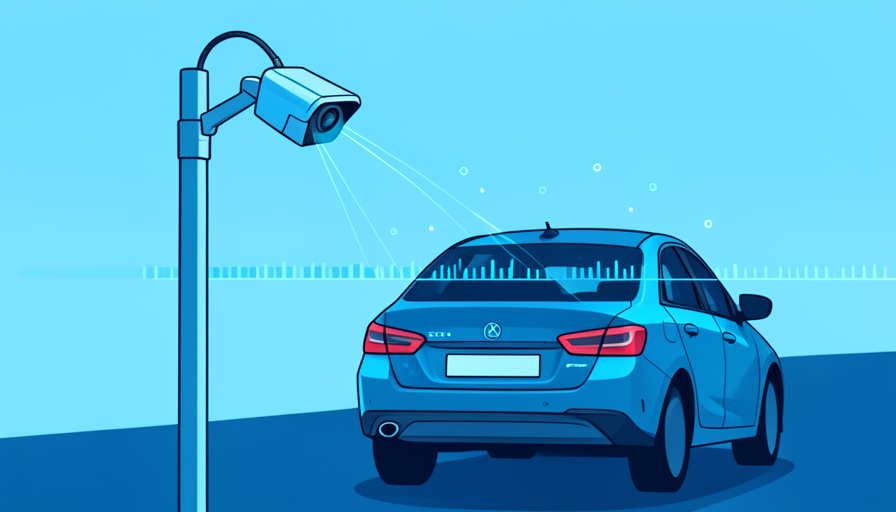
That plain pole camera you just drove past read your plate, logged where you were and when, and filed it into a searchable database. Thousands of these now line American roads. Here is how they work, and whether they are actually legal.
Most people never notice them. A small camera on a pole at an intersection, or a cluster of them bolted to a police cruiser, quietly photographing every car that passes. These are automatic license-plate readers, and over the last few years they have gone from a niche police tool to a dense network blanketing neighborhoods, highways, and even private communities. What they record, and what happens to it, is worth understanding.
The short version
License-plate readers are cameras with software that automatically photograph passing vehicles, read the plate, and log the plate, location, and time to a database. Police use them to flag stolen or wanted vehicles in real time. In the US they are generally legal, since courts treat a plate on a public road as low-privacy, but the mass, networked tracking of ordinary drivers is being challenged in court and criticized by privacy groups.
What a license-plate reader actually does
An automatic license-plate reader, or ALPR, is a camera paired with recognition software. As a vehicle passes, the camera captures an image, and the software reads the plate characters. It typically records more than the plate too, including the vehicle’s make and color, the GPS location of the camera, and the exact date and time.
That reading is checked instantly against “hot lists,” databases of plates tied to stolen cars, wanted suspects, or missing-person alerts. A match triggers a real-time notification to police. The cameras come in two forms, fixed units on poles and mobile ones mounted on patrol cars, and companies such as Flock Safety operate large networks of them for police departments, businesses, and homeowner associations.
The part that worries people: the database
The alerts are only half the story. Every plate a camera reads is logged, whether or not the car is doing anything wrong, which slowly builds a record of where regular people drive and when.

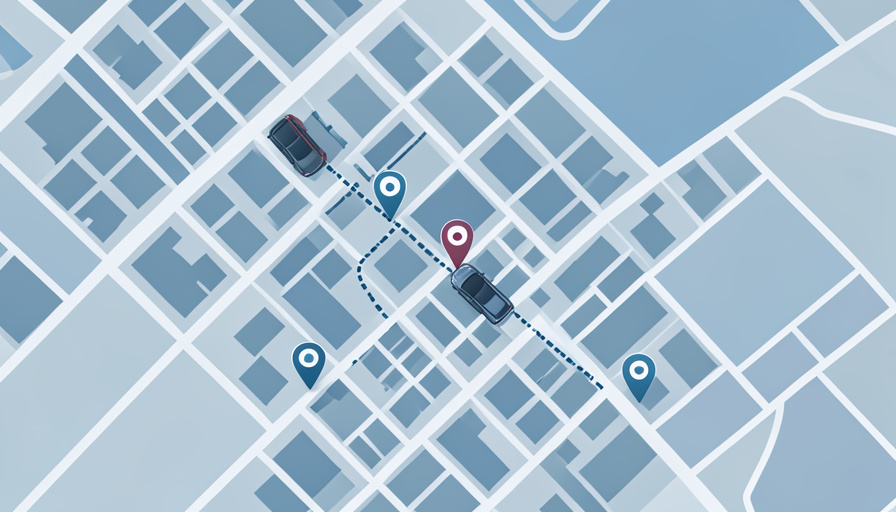
Flock says its standard setup keeps this data for 30 days as a privacy safeguard, so sightings do not pile into permanent dossiers. The sharper concern is scale and searchability. When thousands of cameras across many towns feed one searchable system, a query can reconstruct a driver’s recent movements across a whole region, which is a capability police never had before. For related coverage, browse SciExaminer’s Technology section.
So are they legal?
In the United States, generally yes. The long-standing legal view is that a license plate is displayed in public and that driving on a public road carries a reduced expectation of privacy, so photographing plates at fixed locations has mostly survived court challenges. In January 2026, a federal court sided with the city of Norfolk, Virginia, finding its ALPR system did not violate a reasonable expectation of privacy, and Virginia appellate courts have upheld Flock systems in recent cases.
The question is far from settled, though. Civil-liberties groups argue that continuous, networked tracking is a different thing from a single snapshot. The ACLU has campaigned against the cameras, and in 2026 it filed a brief in a federal appeals case arguing that mass ALPR use gives the government unprecedented surveillance power in violation of the Fourth Amendment. A neutral overview of the legal background is available from the Congressional Research Service.
The real risks beyond the courtroom
The constitutional debate is not the only problem. The systems make mistakes, and a misread plate or a stale hot-list entry has led to drivers being pulled over, sometimes at gunpoint, for cars they did not steal. When software flags a car and an officer acts on it quickly, an error becomes a dangerous encounter.
There are quieter risks too. Data collected in one town can be shared with agencies elsewhere, oversight and audit rules vary widely, and any large database can be misused by an insider or exposed in a breach. As a policy analysis from the Manhattan Institute notes, the technology has genuine value for solving crimes, which is exactly why the rules around retention, access, and accountability matter so much.
What you can and cannot do about it
The uncomfortable truth is that you cannot opt out of being photographed on a public road. There is no setting to switch off. What you can do is shift from the individual level to the local one.
- Learn your state and city rules, since some places limit how long ALPR data is kept and who can search it.
- Pay attention to local government decisions, as camera contracts are often approved with little public notice.
- Support oversight measures like retention limits, usage audits, and public reporting where they are proposed.
- Remember that the record exists, so your routine movements may be logged and searchable for a time.
Communities have gone both ways on this, with some expanding camera networks for public safety and others voting to remove them over privacy concerns. The debate is less about whether the cameras work and more about what limits should sit around a tool this powerful. For more on the science of everyday technology, the Science section is worth a look.
This article is general information, not legal advice. Surveillance and privacy laws vary widely by state and city and are actively changing, so consult a qualified lawyer or your local rules for a specific situation.
Main takeaways
- License-plate readers photograph passing cars and log the plate, location, and time to a database.
- Police use them to flag stolen or wanted vehicles in real time against hot lists.
- They are generally legal in the US, though mass networked tracking faces active court challenges.
- Real-world risks include misreads causing wrongful stops, broad data sharing, and misuse.
Frequently asked questions
How do automatic license-plate readers work?
A camera photographs each passing vehicle, and recognition software reads the plate and records the vehicle’s location, date, and time. The plate is checked against hot lists of stolen or wanted vehicles, and a match alerts police in real time.
Are license-plate readers legal?
In the US, generally yes. Courts have mostly held that a plate on a public road carries a low expectation of privacy. However, civil-liberties groups are challenging the mass, networked use of the cameras as a Fourth Amendment violation.
How long is license-plate data kept?
It varies by vendor and agency. Flock, a major provider, says its standard retention is 30 days, but rules differ across systems, and the ability to search many linked cameras at once is a central privacy concern.
Can I opt out of license-plate readers?
Not on public roads, where there is no way to prevent a camera from photographing your plate. The realistic path is local: supporting retention limits, audits, and oversight rules for how the data is stored and searched.
What is Flock Safety?
Flock Safety is a company that operates large networks of automatic license-plate reader cameras for police departments, businesses, and homeowner associations, feeding sightings into a searchable database used mainly for law enforcement.
Final word
License-plate readers sit at the sharp edge of the trade between safety and surveillance. They genuinely help recover stolen cars and find missing people, and they also quietly log the movements of millions of drivers who have done nothing wrong. Right now the courts mostly allow them, but the harder question is not whether they are legal, it is what oversight keeps a useful tool from becoming a permanent dragnet. That answer is being written city by city, and it is worth paying attention to where you live.