


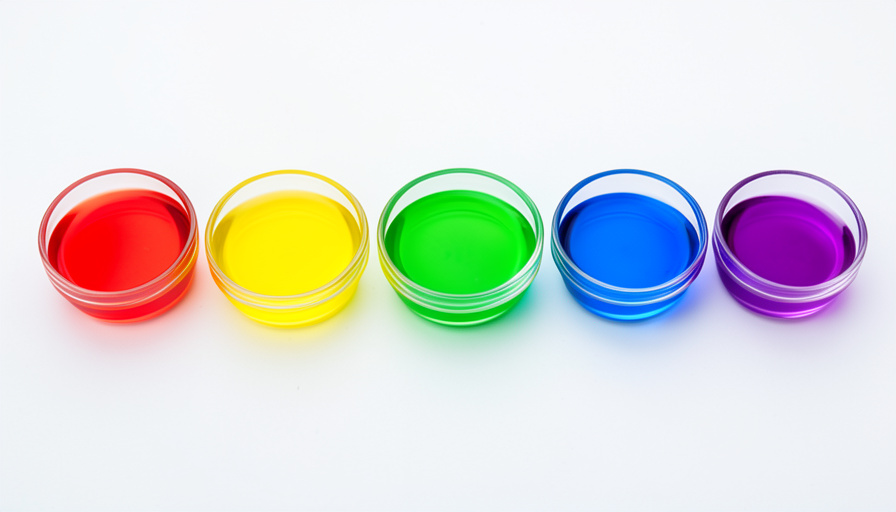
Pick up almost any bottle of shampoo, soil tester, or pool kit and you will find a single small number: the pH. It is one of the most quietly useful measurements in all of science, telling you at a glance whether something is an acid, a base, or neither. Behind that one figure sits a neat idea about what is happening among the invisible particles in water. Once you see how the scale works, pH stops being a mysterious label and starts making a lot of sense.
pH turns up everywhere from your stomach to the ocean, so it is worth understanding properly. Here is a plain-language guide to what it is and how the scale works.
The short version
pH is a number that tells you how acidic or basic a water-based solution is. The scale runs from 0 to 14, with 7 in the middle being neutral, like pure water. Anything below 7 is acidic, and anything above 7 is basic, also called alkaline. The number reflects how many free hydrogen ions are floating in the liquid, and the scale is logarithmic, so each step is a tenfold change. Lemon juice sits near the acidic end, bleach near the basic end.
What pH measures
At its heart, pH is a measure of hydrogen. According to the U.S. Geological Survey, pH is really a measure of the relative amount of free hydrogen and hydroxyl ions in water. A solution with more free hydrogen ions is acidic, while one with more hydroxyl ions is basic.
Chemists put a precise formula behind that idea. As Britannica describes it, pH is defined as the negative logarithm of the hydrogen ion concentration, written as pH equals minus log of the hydrogen ion concentration. You do not need the math to use pH, but it explains why the scale behaves the way it does. This kind of chemistry connects closely to the elements in the periodic table.
The 0 to 14 scale
The familiar pH scale runs from 0 to 14. The USGS explains that 7 is neutral, values below 7 are acidic, and values above 7 are basic. Pure water sits right at 7, which is the reference point everything else is measured against.

As you move down from 7 toward 0, solutions get more strongly acidic. As you move up from 7 toward 14, they get more strongly basic. Strong acids like stomach acid and battery acid sit near the bottom, while strong bases like bleach and drain cleaner sit near the top. Both extremes, the USGS notes, are highly corrosive, which is why the middle of the scale is where most life is comfortable.
Why the scale is logarithmic
Here is the part that surprises people. The pH scale is not a simple ruler where each step is the same size. It is logarithmic, meaning each whole number represents a tenfold change in acidity.
The USGS gives a clear illustration: water with a pH of 5 is ten times more acidic than water with a pH of 6, and a hundred times more acidic than water at pH 7. So a drop of just two pH units is a hundredfold jump in hydrogen ions. This is why small-sounding changes in pH can matter so much. A shift of a single unit in a lake or in your blood is a far bigger change than the number suggests.
pH in everyday life
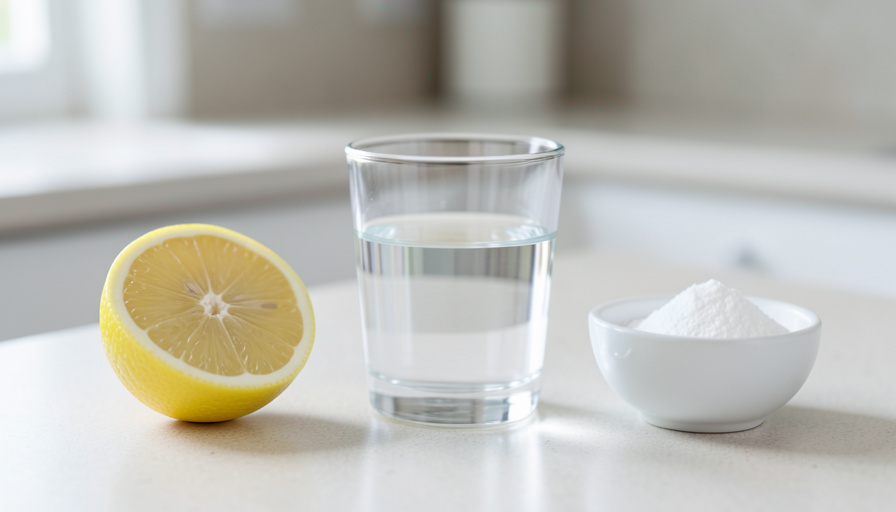
Most of the substances around you have a pH you can place on the scale. Khan Academy notes that pure water at room temperature has a pH of 7, lemon juice comes in around 3, and household bleach sits high on the basic side near 12 to 13.
You can even sense pH without a meter. Khan Academy points out that acidic things tend to taste sour, which is the tang you notice in lemon juice or vinegar, while basic things like soap tend to feel slippery. Coffee, tomatoes, and soft drinks fall on the acidic side, whereas baking soda and soapy water fall on the basic side. The scale quietly organizes the whole kitchen.
Why pH matters
pH is more than a curiosity, because a great deal depends on keeping it in the right range. Your own body holds its blood at a slightly basic pH within very tight limits, and even small drifts can cause serious problems. Farmers test soil pH because plants absorb nutrients best within specific ranges.
The same is true in nature at large. The pH of rivers, lakes, and oceans shapes which creatures can survive there, so a change in acidity can ripple through an entire ecosystem. Water utilities, swimming pools, aquariums, and food producers all monitor pH constantly. It is a single number that says a lot about whether a chemical environment is friendly or hostile.
Main takeaways
- pH measures how acidic or basic a water-based solution is, based on free hydrogen ions.
- The scale runs from 0 to 14, with 7 neutral, below 7 acidic, and above 7 basic.
- It is logarithmic, so each unit is a tenfold change in acidity.
- Everyday examples range from lemon juice near 3 to bleach near 12 or 13.
- pH matters for the body, soil, water, and ecosystems, where small shifts can have big effects.
Frequently asked questions
What does pH stand for?
pH is a scale that measures the acidity or basicity of a solution. It reflects the concentration of hydrogen ions, and is formally defined as the negative logarithm of that concentration. In everyday use, it is simply a number from 0 to 14 that tells you how acidic or basic something is.
What is a neutral pH?
A neutral pH is 7, the value of pure water at room temperature. At this point the amounts of free hydrogen and hydroxyl ions are balanced. Anything with a pH below 7 is acidic, and anything above 7 is basic or alkaline, with 7 sitting exactly between the two.
Why is the pH scale logarithmic?
Because hydrogen ion concentrations vary over an enormous range, a logarithmic scale keeps the numbers manageable. Each whole pH unit represents a tenfold change, so a pH of 4 is ten times more acidic than 5 and a hundred times more acidic than 6. This is why small pH changes can be more significant than they appear.
What are some examples of acids and bases?
Common acids include lemon juice, vinegar, coffee, and soft drinks, all with a pH below 7. Common bases include baking soda, soap, and bleach, with a pH above 7. Pure water is the neutral reference at 7. Strong acids and strong bases at the extremes of the scale are highly corrosive.
Can you tell pH by taste or touch?
Sometimes, and carefully. Acidic foods tend to taste sour, like lemon or vinegar, while basic substances such as soap tend to feel slippery. However, this is only a rough guide for familiar foods. Strong acids and bases are dangerous, so you should never taste or touch unknown chemicals to judge their pH.
What this means
pH is a fine example of how one clean number can capture something invisible and important. Behind the figure on a bottle lies a running tally of hydrogen ions, compressed into a scale simple enough for a schoolchild yet precise enough for a laboratory. Understanding it changes how you read the world a little, from why a lake matters to fish to why your shampoo advertises being balanced. It is chemistry hiding in plain sight. For more on how the physical world works, the Science section has much more to explore.