


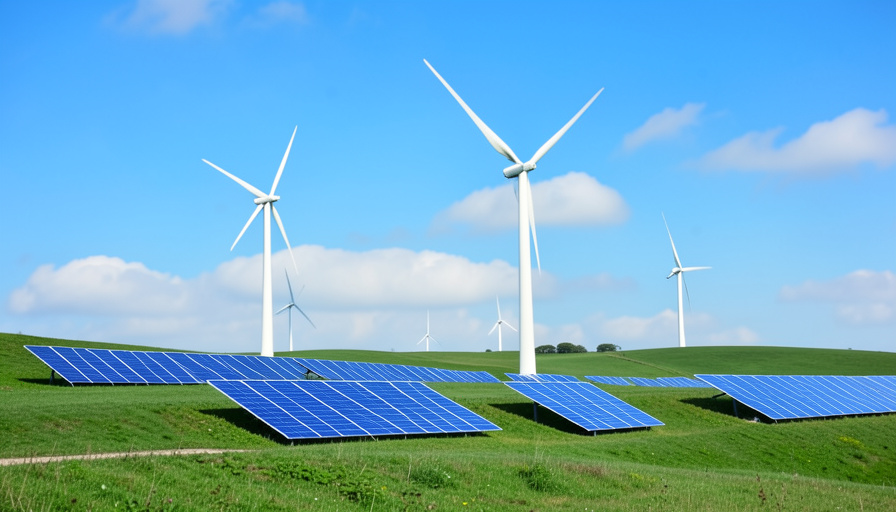
The way the world powers itself is changing fast. Wind turbines now dot hillsides, solar panels cover rooftops, and headlines regularly announce new records for clean power. Renewable energy has moved from a niche idea to the fastest-growing source of electricity on the planet. Yet plenty of people are still fuzzy on what counts as renewable, how these sources actually produce power, and why the shift matters so much. The basics are easier to grasp than the buzzwords suggest.
Renewable energy sits at the center of the response to climate change, so it is worth understanding clearly. Here is a plain-language guide to what renewable energy is and how it works.
In brief
Renewable energy is energy from natural sources that replenish themselves faster than we use them, such as sunlight, wind, and flowing water. Because these sources are constantly renewed, they will not run out the way coal or oil eventually will. Most renewables also produce electricity without burning fuel, so they release little or no pollution. The main types are solar, wind, hydropower, geothermal, and biomass, and together they now supply a large and rising share of the world’s power.
What renewable energy is
The idea behind renewable energy is right there in the name. According to the U.S. Energy Information Administration, renewable energy comes from sources that are naturally replenishing, and while they are virtually inexhaustible, they are limited by how much of the resource is available at a given time.
That is the key contrast with fossil fuels. Coal, oil, and natural gas took millions of years to form and exist in finite amounts, so burning them uses up a one-time supply. Sunlight and wind, by comparison, arrive every day whether we capture them or not. The challenge is not running out of the resource but building enough equipment to harvest it. For more on the systems that shape our planet, browse SciExaminer’s Environment section.
The main types
Renewable energy is a family of sources, not a single technology. The EIA groups them into five main types: solar, wind, hydropower, geothermal, and biomass. Solar power captures energy from the sun, either as electricity through panels or as heat. Wind power uses turbines, often grouped into wind farms, to turn moving air into electricity.

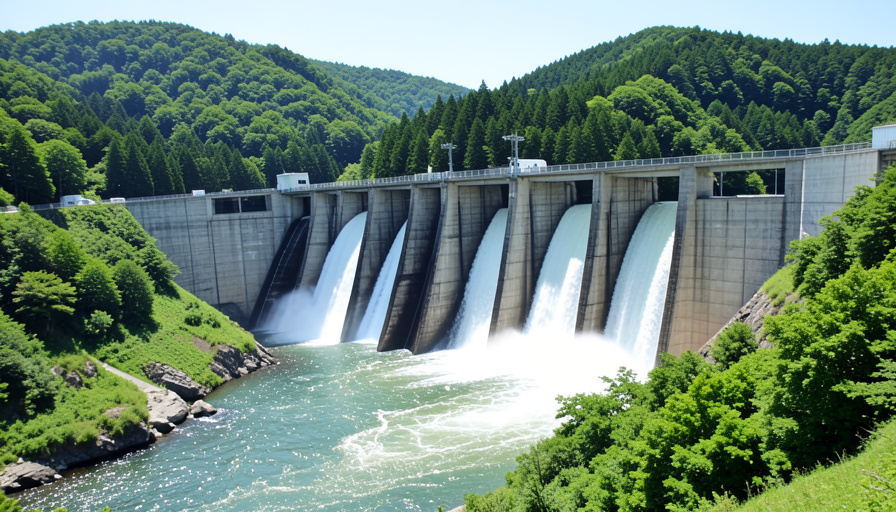
Hydropower generates electricity from falling or flowing water, usually at dams, and is one of the oldest and largest renewable sources. Geothermal taps the natural heat stored inside the Earth, which can drive power plants or warm buildings directly. Biomass uses organic material such as wood, crops, or waste as fuel. Each works differently, but all draw on resources that nature keeps refilling.
Why it matters
The biggest reason renewables have taken off is their effect on pollution and climate. The U.S. Environmental Protection Agency notes that using renewable energy reduces greenhouse gas emissions and the air pollution tied to producing power. Sources like solar, wind, and geothermal generate electricity without combusting fuel, so they do not release the pollutants that fossil fuel plants do.
That difference has real health stakes. Burning fossil fuels emits substances such as nitrogen oxides, sulfur dioxide, and fine particulate matter, which the EPA links to asthma, heart problems, and other serious conditions. By avoiding that combustion, renewables cut both the emissions driving climate change and the local pollution that harms people’s lungs and hearts. It is a rare win for the planet and public health at once.
How fast it is growing
The pace of change has surprised even experts. The International Energy Agency reports that in 2024, renewables supplied about 32 percent of the world’s total electricity generation, the first time they crossed that mark. Record amounts of new capacity are being added each year, with solar power leading the charge by a wide margin.
The trend is expected to keep accelerating. The IEA projects that renewables’ share of global electricity could climb from around 32 percent in 2024 to 43 percent by 2030. In some regions the shift is already dramatic. In the European Union, solar and wind together recently overtook the combined share of coal and gas, a milestone that seemed distant only a few years ago.
The challenges
Renewables are powerful, but they are not without hurdles. The most discussed is intermittency: the sun does not always shine and the wind does not always blow, so output can vary from hour to hour. Matching that variable supply to steady demand takes planning, backup sources, and increasingly, large-scale batteries to store energy for later.
There are other issues too, from the land and materials needed to build projects to upgrading power grids designed for a different era. None of these is a dealbreaker, and technology is steadily addressing them, but they explain why the transition takes time rather than happening overnight. Understanding both the promise and the practical limits gives a clearer picture than the hype alone. For more on the science behind these systems, the Science section digs deeper.
At a glance
- Renewable energy comes from naturally replenishing sources like sunlight, wind, and water that will not run out.
- The five main types are solar, wind, hydropower, geothermal, and biomass.
- Most renewables generate power without burning fuel, cutting greenhouse gases and air pollution.
- Renewables supplied about 32 percent of global electricity in 2024 and are the fastest-growing source.
- The main challenge is intermittency, which storage and grid upgrades are helping to solve.
Frequently asked questions
What is renewable energy in simple terms?
Renewable energy is power made from natural sources that replenish themselves quickly, such as sunlight, wind, and flowing water. Because these sources are constantly renewed, they do not run out like coal or oil. Most also produce electricity without burning fuel, so they create little or no pollution.
What are the main types of renewable energy?
The five main types are solar, wind, hydropower, geothermal, and biomass. Solar uses the sun’s energy, wind uses turbines, hydropower uses moving water, geothermal taps the Earth’s internal heat, and biomass burns organic material like wood or crop waste. Each relies on a resource nature keeps refilling.
Is renewable energy better than fossil fuels?
For emissions and air quality, yes. Renewables like solar and wind generate electricity without combustion, so they avoid the greenhouse gases and pollutants that fossil fuels release. Fossil fuels still provide steady, on-demand power, which is why storage and grid improvements are key to relying more on renewables.
Why is renewable energy growing so fast?
Costs for solar and wind have fallen sharply, making them competitive with or cheaper than fossil fuels in many places. Combined with climate goals and supportive policies, this has driven record growth. In 2024, renewables supplied about 32 percent of global electricity, the highest share yet.
What is the biggest problem with renewable energy?
The main challenge is intermittency. Solar power stops at night and wind varies with the weather, so output is not constant. Meeting steady demand requires energy storage, such as large batteries, backup power sources, and upgraded grids that can balance supply across regions and times.
The bottom line
Renewable energy is simply power drawn from sources that nature keeps replacing, and its appeal is easy to see: an effectively endless supply that produces far less pollution than burning fossil fuels. Solar, wind, hydropower, geothermal, and biomass each tap a different piece of that natural bounty, and together they are now the fastest-growing source of electricity in the world. Real challenges remain, especially storing power for when the sun sets and the wind drops, but the direction is clear. The energy system of the future is being built now, and renewables are at its heart. To keep exploring how our world works, the Environment section has much more.