


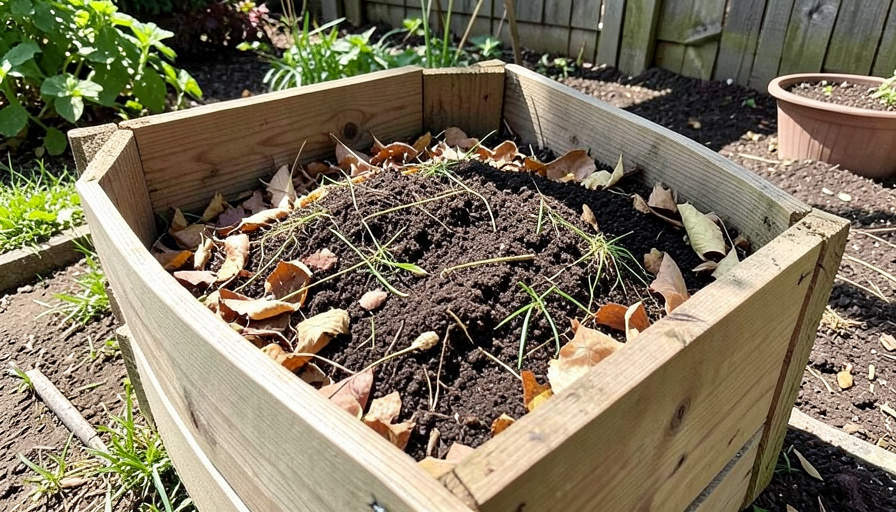
Every day, kitchens fill bins with peels, cores, and coffee grounds, and gardens shed piles of leaves and clippings. Most of it gets thrown away, yet all of it is food for one of nature’s oldest recycling systems. Composting takes that so-called waste and, with nothing more than air, water, and hungry microbes, turns it into rich dark soil. It is a simple process with an outsized payoff, good for your garden and, it turns out, good for the climate too.
Composting sits at the crossroads of household habit and planetary health, so it is worth understanding well. Here is a plain-language guide to what it is and how it works.
Quick answer
Composting is the controlled breakdown of organic material, like food scraps and yard waste, into a dark, nutrient-rich soil booster. Tiny microorganisms do the work, feeding on the material in the presence of air and moisture until it becomes compost. Done well, it enriches soil, cuts the need for chemical fertilizer, and keeps food waste out of landfills, where it would otherwise release methane, a powerful greenhouse gas. You can do it in a backyard bin or a countertop caddy.
What composting is
At its simplest, composting is decomposition put to work. According to the Environmental Protection Agency, composting is the managed, aerobic, meaning oxygen-required, biological decomposition of organic materials by microorganisms. In plain terms, you give nature’s decomposers the right conditions and they turn scraps into soil.
The end result is worth the wait. The U.S. Department of Agriculture describes finished compost as a soil amendment rich in organic matter and nutrients, and safe to use with regard to both weed seeds and disease-causing organisms. What starts as a messy pile ends as something gardeners prize.
How it works
A compost pile is really a habitat for microbes, and like any life it needs the right balance. The EPA lists four essentials: browns, greens, water, and air. Browns are carbon-rich materials like dry leaves and cardboard, while greens are nitrogen-rich materials like fruit and vegetable scraps and grass clippings.

The microorganisms consume the carbon and nitrogen to grow, using water to digest and oxygen to breathe. As they work, a well-tended pile heats up. The EPA notes that backyard piles can reach 130 to 160 degrees Fahrenheit, and that heat helps kill off pathogens and weed seeds. Turning the pile now and then keeps oxygen flowing, which is why compost needs a little tending rather than none at all.
Balance is the whole art of it. Too many wet greens and the pile turns slimy and smelly as it runs short of air; too many dry browns and it barely breaks down at all. Getting the mix roughly right is what keeps the microbes fed and the process moving.
Why it helps the climate
The climate case for composting comes down to what happens to food waste when you do not compost it. Sent to a landfill and buried without oxygen, food scraps rot and release methane. As the Natural Resources Defense Council notes, methane has around 80 times the planet-warming potential of carbon dioxide over the 20 years after it is released.
Composting sidesteps that. By breaking material down with oxygen instead of without it, and by diverting scraps from landfills, it keeps much of that methane from ever forming. The NRDC also points out that compost helps soil store carbon for longer, and cites San Francisco’s program, which diverts more than 80 percent of waste from landfills and avoids tens of thousands of tons of emissions a year. It all ties back to the wider problem of the greenhouse effect.
What it does for soil
Compost is sometimes called black gold by gardeners, and the soil science backs up the nickname. The USDA notes that compost enhances soil fertility in both major and trace nutrients, and improves soil structure by boosting its ability to hold water and air, which gives roots a better place to grow.
The benefits reach beyond a single garden bed. According to the USDA, compost suppresses some soil-borne plant diseases, increases the number of helpful microorganisms in the soil, and improves how well rain soaks in, which reduces runoff and erosion. Healthier soil also needs less chemical fertilizer and irrigation, so the gains add up over time.
How to start
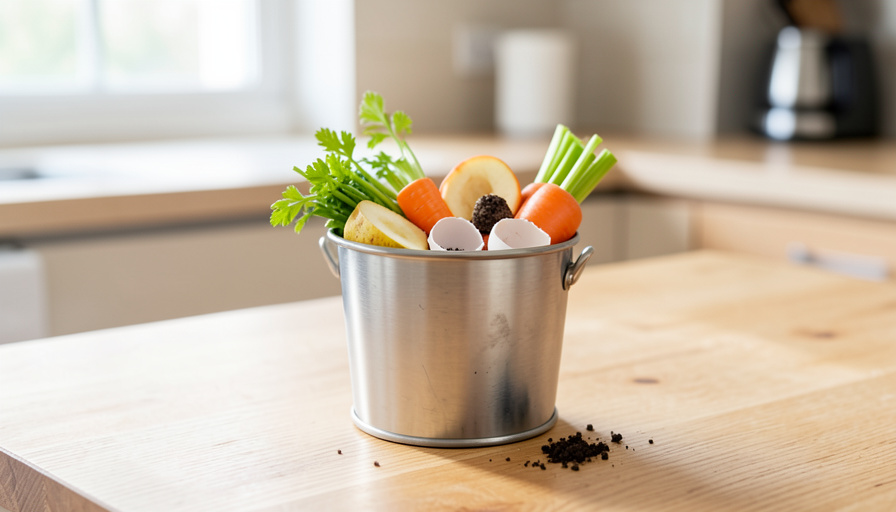
Getting going is easier than many people expect. The basic recipe is to mix roughly equal attention to browns and greens, keep the pile about as damp as a wrung-out sponge, and give it air by turning it occasionally. A backyard bin works well, and even a small countertop caddy lets you collect scraps to compost or drop at a collection site.
Knowing what to leave out matters just as much. The EPA advises composting fruit and vegetable scraps, eggshells, coffee grounds, leaves, and grass, while avoiding meat, dairy, oils, pet waste, and diseased plants, which can attract pests or fail to break down properly at home. Start with the easy stuff and the process quickly becomes second nature. For more on caring for the planet, the Environment section has plenty to explore.
Key takeaways
- Composting is the managed breakdown of organic matter by microorganisms into nutrient-rich soil.
- It needs a balance of browns (carbon), greens (nitrogen), water, and air.
- It cuts landfill methane, a greenhouse gas roughly 80 times stronger than carbon dioxide short term.
- Finished compost improves soil fertility, structure, water retention, and disease resistance.
- Compost fruit and vegetable scraps and yard waste, but avoid meat, dairy, oils, and pet waste.
Frequently asked questions
What is composting in simple terms?
Composting is letting nature recycle organic waste. You gather materials like food scraps and dead leaves, keep them moist and airy, and microorganisms slowly break them down into a dark, crumbly material called compost. That finished compost is then used to enrich garden or farm soil.
What can and cannot be composted?
Good materials include fruit and vegetable scraps, eggshells, coffee grounds, leaves, and grass clippings. It is best to avoid meat, dairy, fats and oils, pet waste, and diseased plants, since these can attract pests, cause odors, or fail to break down properly in a home compost pile.
How does composting help the environment?
It keeps food waste out of landfills, where it would release methane, a potent greenhouse gas. Composting instead breaks material down with oxygen, avoiding much of that methane, while the finished compost stores carbon in soil and reduces the need for chemical fertilizers.
How long does composting take?
It varies with conditions, but a well-managed pile can produce usable compost in a few months, while a neglected one may take a year or more. Warmth, moisture, a good mix of browns and greens, and regular turning all speed the process by keeping the microbes active.
Do I need a big yard to compost?
No. A backyard bin is convenient, but you can compost with a small tumbler, a worm bin, or a countertop caddy. Many towns and cities also run drop-off sites or curbside collection, so even apartment dwellers can compost their food scraps without any outdoor space.
Final word
Composting is one of those rare habits that quietly does two jobs at once. In the garden, it rebuilds tired soil into something living and fertile. In the bigger picture, it keeps a steady trickle of methane out of the atmosphere, one banana peel at a time. Neither benefit asks much of you beyond a bin and a little patience, which is what makes composting such an easy thing to recommend. For more on small choices with a wide reach, the Environment section is a good place to continue.